
Overview & Design Features
The Lexus 4GR-FSE is a 2.5-liter V6 gasoline engine, a prominent member of Toyota’s GR engine family, specifically developed for Lexus premium vehicles. Introduced in 2005, this engine was engineered to deliver a balance of smooth power delivery, refinement, and fuel efficiency in smaller luxury sedans. Its configuration as a naturally aspirated V6 made it a popular choice for markets prioritizing a premium feel over brute force, embodying Lexus’s commitment to sophisticated engineering and driving comfort.
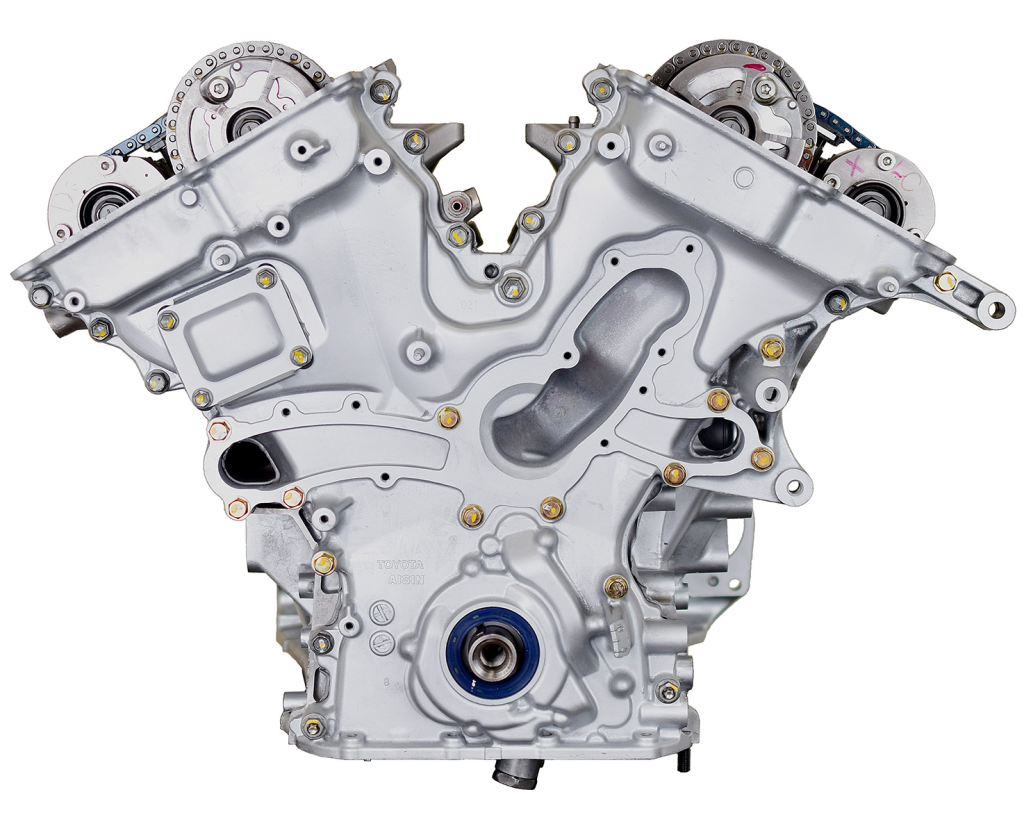
At its core, the 4GR-FSE features a lightweight aluminum alloy cylinder block and cylinder heads, designed for optimal heat dissipation and reduced overall vehicle weight. A key technological advancement is its D-4 direct fuel injection system, which injects fuel directly into the combustion chambers, complemented by a secondary port injection system to mitigate carbon buildup and enhance low-load efficiency. Furthermore, the engine incorporates Dual VVT-i (Variable Valve Timing with intelligence) on both intake and exhaust camshafts, optimizing valve overlap and lift for improved torque across the RPM range and reduced emissions.
The 4GR-FSE engine was primarily deployed in various Lexus models across different global markets. Key applications include the Lexus IS 250 (XE20 generation, from 2005-2013), where it served as the entry-level powertrain, and the Lexus GS 250 (GRL11 generation, from 2011-2015). It also found use in specific JDM (Japanese Domestic Market) models such as the Toyota Crown Athlete (GRS180 and GRS200 series) and the Lexus IS C (XE20 convertible variant).
Technical Specifications
| Specification | Value |
|---|---|
| Displacement (cc) | 2499 |
| Max Power (hp (kW) @ RPM) | 204 (150) @ 6400 |
| Max Torque (Nm (kg*m) @ RPM) | 243 (24.8) @ 4800 |
| Fuel Type | Premium Unleaded (95 RON Minimum) |
| Fuel Consumption (l/100 km) | 8.4 – 9.1 (combined cycle, varies by vehicle/transmission) |
| Engine Type | V6, DOHC, Naturally Aspirated |
| Compression Ratio | 11.5:1 |
| Cylinder Bore (mm) | 83.0 |
| Piston Stroke (mm) | 77.0 |
| Valvetrain | Dual VVT-i, Timing Chain |
| Valves per Cylinder | 4 |
| Additional Info | D-4 Direct and Port Fuel Injection |
Common Problems & Reliability
The Lexus 4GR-FSE engine is generally regarded as highly reliable, a testament to Toyota’s engineering prowess. However, like many direct-injection engines, it is susceptible to specific issues. The most common concern is carbon buildup on the intake valves, which can occur over time due to the absence of fuel washing the back of the valves. This can lead to reduced airflow, misfires, decreased performance, and rough idling. Regular intake system cleaning, often involving walnut blasting, is a preventative or corrective measure.
Another known weak point is the water pump, which can develop leaks, particularly at higher mileages (typically beyond 150,000 km or 90,000 miles). Early signs include coolant weeping from the pump housing or an audible bearing noise. Although less frequent, some instances of VVT-i actuator rattle on cold start have been reported, though these are not as widespread or severe as in some other GR-series engines. Provided these potential issues are addressed and regular maintenance is performed, the 4GR-FSE engine is capable of exceeding 250,000 to 300,000 kilometers (150,000-180,000 miles) before requiring significant major overhaul, with many examples surpassing these figures.
Maintenance Tips & Service Schedule
Adhering to a stringent maintenance schedule is crucial for the longevity and optimal performance of the 4GR-FSE engine. Regular oil changes are paramount: use a high-quality synthetic oil, typically 0W-20 or 5W-30, and replace it every 10,000-15,000 kilometers (6,000-9,000 miles) or every 6 months, whichever comes first. This helps mitigate the effects of carbon buildup and maintains proper lubrication for the complex VVT-i system.
Spark plugs, specifically iridium-tipped types, should be replaced every 90,000-100,000 kilometers (60,000 miles). The timing chain is designed as a “lifetime” component and generally does not require replacement under normal conditions; however, inspection for excessive slack or noise during high-mileage services is prudent. Coolant flushes with Toyota Super Long Life Coolant are recommended at 160,000 kilometers (100,000 miles) initially, then every 80,000 kilometers (50,000 miles) thereafter. Considering the direct injection system, periodic fuel system cleaning using appropriate additives or professional intake valve cleaning is advised every 50,000-75,000 kilometers (30,000-45,000 miles) to prevent severe carbon accumulation and maintain fuel efficiency.
Conclusion
The Lexus 4GR-FSE engine represents a well-engineered and generally dependable V6 powertrain. Its combination of direct and port injection, along with Dual VVT-i, provides a refined driving experience with respectable performance and efficiency for its class. For a used vehicle buyer, the 4GR-FSE is a safe and reliable choice, particularly if its maintenance history is transparent and addresses the common carbon buildup issue. With proper and consistent preventative maintenance, this engine offers excellent long-term durability and remains a testament to Lexus’s reputation for quality.