
Overview & Design Features
The Haval GW4D20D engine is a prominent 2.0-liter, inline four-cylinder, turbocharged diesel engine developed by Great Wall Motor Company, the parent company of Haval. This powerplant represents a significant offering in the Chinese automotive industry’s push towards modern, efficient diesel technology, widely deployed across Haval’s SUV lineup and Great Wall’s pickup trucks. Its configuration emphasizes a balance of power, torque, and fuel economy, making it a workhorse for various utility vehicles.
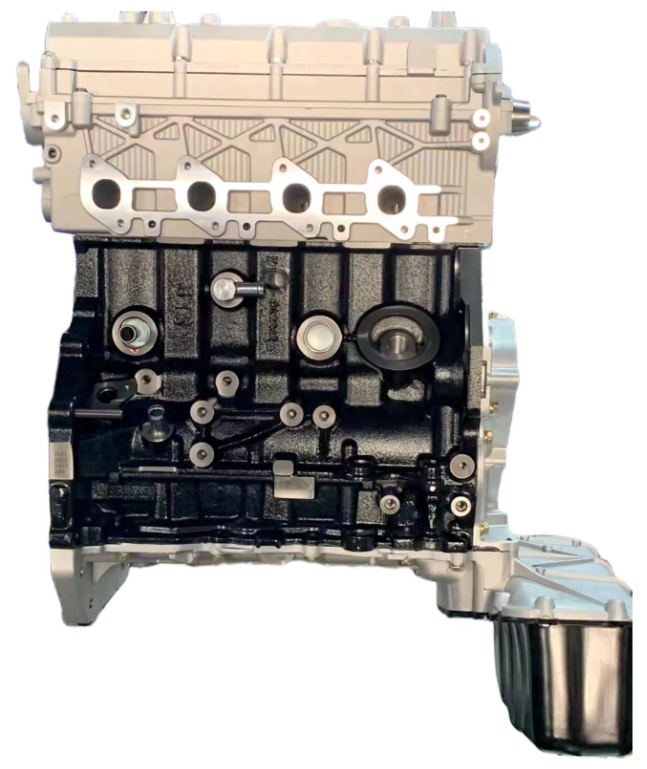
Engineered for robustness and efficiency, the GW4D20D features a cast-iron cylinder block for durability, paired with an aluminum alloy cylinder head for weight reduction and improved heat dissipation. Fuel delivery is managed by a Common Rail Direct Injection (CRDI) system, which precisely controls fuel atomization and timing for optimal combustion. A Double Overhead Camshaft (DOHC) valvetrain with 16 valves (four per cylinder) optimizes airflow for both intake and exhaust, enhancing volumetric efficiency. Forced induction is provided by a Variable Geometry Turbocharger (VGT) coupled with an intercooler, ensuring strong low-end torque and sustained power delivery across the RPM range. Emissions compliance often includes Euro 4, Euro 5, and in later iterations, Euro 6 standards, incorporating technologies like Exhaust Gas Recirculation (EGR) and Diesel Particulate Filters (DPF).
This engine has been a cornerstone for several popular models, primarily within the Haval and Great Wall brands. Key vehicles include the Haval H5 (from approximately 2010), Haval H6 (early generations), Haval H8, and Haval H9. It also found extensive use in Great Wall’s pickup truck series, such as the Great Wall Wingle and Steed models, spanning production years from the early 2010s through the mid-to-late 2010s, depending on the specific market and vehicle generation.
Technical Specifications
| Specification | Value |
|---|---|
| Displacement (cc) | 1996 |
| Max Power (hp (kW) @ RPM) | 150 hp (110 kW) @ 4000 RPM (earlier versions) 163 hp (120 kW) @ 4000 RPM (later versions) |
| Max Torque (Nm (kg*m) @ RPM) | 310 Nm (31.6 kg*m) @ 1800-2800 RPM (earlier versions) 340 Nm (34.7 kg*m) @ 1600-2800 RPM (later versions) |
| Fuel Type | Diesel |
| Fuel Consumption (l/100 km) | Refer to manufacturer’s technical documentation; varies by vehicle and driving conditions. |
| Engine Type | Inline-4, DOHC, Turbocharged Common Rail Diesel |
| Compression Ratio | 16.5:1 – 17.0:1 |
| Cylinder Bore (mm) | 83 |
| Piston Stroke (mm) | 92 |
| Valvetrain | DOHC |
| Valves per Cylinder | 4 (Total 16 valves) |
| Additional Info | Variable Geometry Turbocharger (VGT), Common Rail Direct Injection (CRDI), Intercooler, Exhaust Gas Recirculation (EGR), Diesel Particulate Filter (DPF – on Euro 5/6 models). |
Common Problems & Reliability
- EGR Valve and DPF Issues: Like many modern diesels, the GW4D20D is susceptible to carbon buildup in the EGR valve and clogging of the Diesel Particulate Filter, especially when subjected to frequent short trips or prolonged urban driving that prevents effective DPF regeneration cycles. Symptoms include reduced performance, increased fuel consumption, and dashboard warning lights.
- Fuel Injector Longevity: While generally robust, the common rail direct injectors can experience degradation over high mileage or due to inconsistent fuel quality. This can manifest as rough idling, misfires, reduced power, or increased exhaust smoke. Regular use of quality diesel fuel and appropriate fuel system cleaners can mitigate this.
- Turbocharger Actuator Malfunctions: The Variable Geometry Turbocharger (VGT) is key to the engine’s performance. At higher mileages, the electronic actuator or the VGT mechanism itself can become sticky or fail, leading to inconsistent boost pressure, “limp mode” activation, or diminished power.
With diligent maintenance and proper care, the Haval GW4D20D engine can achieve an impressive service life, often exceeding 250,000 to 300,000 kilometers before requiring major overhaul or significant component replacement.
Maintenance Tips & Service Schedule
- Engine Oil & Filter: Adhere to a strict oil and filter change interval of 10,000 km or every 6 months, whichever comes first. Use a high-quality, low-SAPS (Sulphated Ash, Phosphorus, Sulphur) diesel engine oil compliant with ACEA C3 or API CK-4 standards, typically a 5W-30 or 5W-40 viscosity, as specified by the manufacturer.
- Fuel Filter: The diesel fuel filter is critical for protecting the precision common rail injection system. Replace it every 20,000 to 30,000 km or annually to prevent contaminants from damaging injectors and the fuel pump.
- Air Filter: Inspect the air filter at every service and replace it every 20,000 km or annually, more frequently in dusty conditions, to ensure optimal airflow and prevent premature engine wear.
- Timing Chain: The GW4D20D utilizes a timing chain, generally considered a “lifetime” component. However, periodic inspection for noise or excessive slack is recommended at 150,000-200,000 km. Replacement is typically only necessary if wear is evident.
- Coolant Flush: Perform a coolant flush and refill every 40,000 to 60,000 km or every 2-3 years, using manufacturer-approved long-life coolant, to maintain cooling system efficiency and prevent corrosion.
- DPF & EGR Care: For vehicles equipped with DPF, ensure regular highway driving to facilitate active regeneration. If primarily driving in urban conditions, consider manual DPF regeneration procedures if supported by the vehicle or professional cleaning services. Regularly monitor EGR system functionality.
Conclusion
The Haval GW4D20D engine presents a generally reliable and capable choice for a used vehicle buyer, particularly for those seeking a robust diesel powerplant for SUVs or utility vehicles. Its strong torque, decent fuel economy, and proven track record make it a practical option. However, as with all modern diesels, its longevity and operational cost are heavily dependent on adherence to a rigorous maintenance schedule, focusing on quality fluids, timely filter replacements, and attentive care for emissions control systems. A pre-purchase inspection by a qualified mechanic is always recommended to assess the condition of critical components like the turbocharger, injectors, and DPF, especially on higher mileage examples.