
Overview & Design Features
The Haval GW4G15B is a naturally aspirated, four-cylinder gasoline engine developed by Great Wall Motors (GWM), prominently featured in their Haval brand vehicles. With a displacement of 1.5 liters (1497 cc), this engine represents GWM’s commitment to producing cost-effective and relatively efficient power units for its entry-level and compact vehicle segments. Historically, it evolved from earlier GWM 1.5L designs, adapting to meet contemporary emission standards and performance expectations for markets where fuel economy and purchase price are significant considerations. Its design prioritizes reliability and ease of maintenance, making it a workhorse for a broad range of passenger cars and light SUVs.
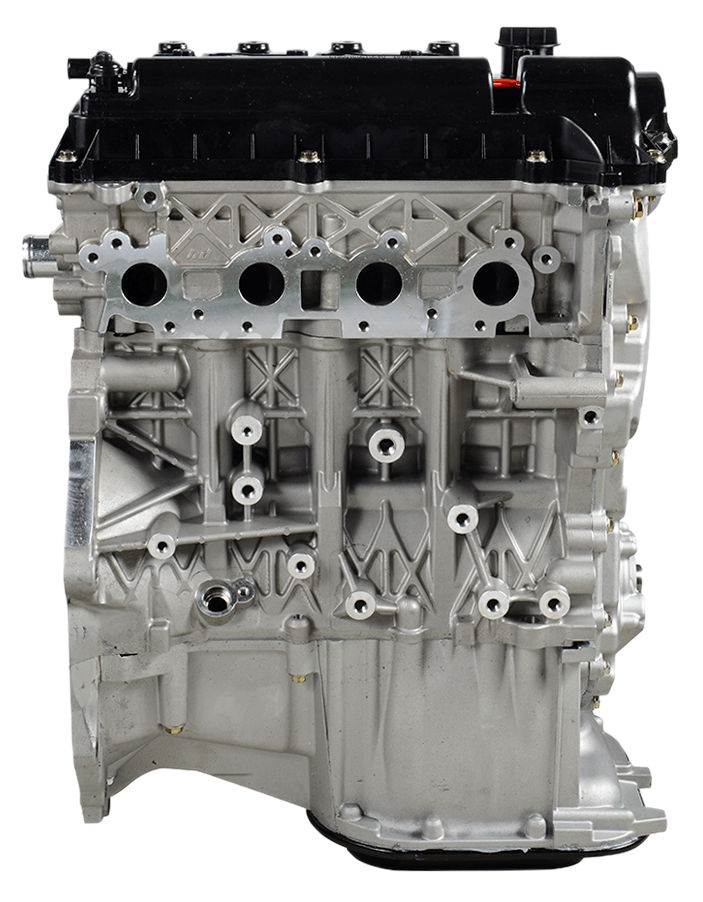
Engineered with a lightweight aluminum alloy cylinder block and cylinder head, the GW4G15B incorporates a dual overhead camshaft (DOHC) valvetrain configuration. This setup allows for precise control over valve timing, further enhanced by Variable Valve Timing (VVT) technology on both intake and exhaust camshafts, optimizing combustion efficiency across various engine speeds. Fuel delivery is managed via a multi-point electronic fuel injection (MPI) system, ensuring accurate fuel-air mixture preparation for consistent power output and emissions control. The use of a timing chain for valve actuation, rather than a belt, contributes to its long-term durability and reduced maintenance requirements compared to belt-driven systems.
The Haval GW4G15B engine has been widely deployed across Great Wall Motors’ portfolio, particularly within the Haval sub-brand. Primary vehicle models that utilized this specific engine version include the Haval H1 (known in some markets as Great Wall C20R), and certain variants of the Haval H2, especially in its earlier iterations or base trims. It also powered various Great Wall-branded sedans and hatchbacks such as the Great Wall C30 and Voleex C50 in markets prioritizing economical vehicle ownership. Its widespread application underscores its role as a fundamental powertrain option for the manufacturer’s volume models over several production years, typically from the early to mid-2010s onwards.
Technical Specifications
| Displacement (cc) | 1497 |
| Max Power (hp (kW) @ RPM) | 105 hp (77 kW) @ 6000 rpm |
| Max Torque (Nm (kg*m) @ RPM) | 138 Nm (14.1 kg*m) @ 4000 rpm |
| Fuel Type | Gasoline (RON 92 or higher) |
| Fuel Consumption (l/100 km) | Approximately 6.5 – 7.5 (combined cycle, varies by vehicle model) |
| Engine Type | Inline-4, Naturally Aspirated |
| Compression Ratio | 10.5:1 |
| Cylinder Bore (mm) | 75 |
| Piston Stroke (mm) | 84.7 |
| Valvetrain | DOHC, 16-valve, VVT (Intake & Exhaust) |
| Valves per Cylinder | 4 |
| Additional Info | Aluminum alloy block and head, Multi-point Electronic Fuel Injection (MPI), Timing Chain |
Common Problems & Reliability
The Haval GW4G15B engine is generally regarded as a robust and reliable unit for its class, benefiting from its relatively simple naturally aspirated design. However, like any engine, it exhibits a few specific characteristics or potential weak points that owners should be aware of. One common issue reported by some owners involves minor oil leaks, often originating from the valve cover gasket or the oil pan gasket, particularly as the engine ages and mileage accumulates. These are typically not catastrophic failures but require attention to prevent oil loss and potential contamination.
Another area for consideration is the occasional failure of engine sensors, such as the oxygen sensors or crankshaft position sensor. While not widespread, these failures can lead to rough idling, reduced performance, or illuminated check engine lights. Addressing these promptly with quality replacement parts is usually straightforward. Given its timing chain design, the GW4G15B largely avoids the periodic replacement cost of timing belts. However, at very high mileages (beyond 180,000 km), some units may develop timing chain stretch, which manifests as a rattling noise, especially on cold start. This necessitates inspection and potential replacement of the chain and tensioners to prevent more serious internal damage.
Under proper care and adherence to the manufacturer’s maintenance schedule, the Haval GW4G15B engine demonstrates a realistic expected service life exceeding 200,000 to 250,000 kilometers before requiring a major overhaul. Instances of units surpassing 300,000 kilometers are not uncommon, a testament to its fundamental engineering for durability in everyday driving conditions.
Maintenance Tips & Service Schedule
Proactive maintenance is key to maximizing the longevity and reliability of the Haval GW4G15B engine. Adherence to a strict service schedule is crucial. Engine oil and filter changes should be performed every 10,000 kilometers or annually, whichever comes first. The recommended engine oil viscosity is typically 5W-30 or 5W-40, meeting API SN or higher specifications, suitable for various climates. Regular oil changes prevent sludge buildup and ensure proper lubrication of critical internal components, including the VVT system.
Spark plugs, essential for efficient combustion, should be inspected and replaced every 40,000 to 60,000 kilometers, depending on the plug type and driving conditions. Using manufacturer-specified spark plugs is recommended to maintain optimal ignition performance. The coolant system requires attention every 60,000 to 80,000 kilometers or every 3 to 5 years. A complete coolant flush and refill with the correct specification long-life coolant prevents corrosion and maintains the engine’s thermal stability. The air filter and cabin filter should be checked at every service interval and replaced as needed, typically every 15,000 to 20,000 kilometers, to ensure clean air intake and cabin air quality.
While the timing chain is designed for long life, it is advisable to have it inspected for excessive noise or stretch during major services after 150,000 kilometers. Fuel filters, if externally mounted, should be replaced around 60,000 kilometers to prevent fuel delivery issues. Regular checks of drive belts for cracks or wear, along with fluid levels (brake fluid, power steering fluid if applicable), contribute significantly to overall vehicle health and prevent unexpected breakdowns.
Conclusion
The Haval GW4G15B engine stands out as a generally safe and reliable choice, particularly for buyers of used compact vehicles. Its naturally aspirated design, coupled with VVT technology and a timing chain, offers a balance of straightforward engineering and adequate performance for daily commuting. While susceptible to minor issues like oil leaks and occasional sensor faults, these are typically manageable and do not detract from its overall durability. With consistent adherence to recommended maintenance schedules and timely attention to any emerging issues, this engine can provide many years of dependable service, making vehicles equipped with the GW4G15B a pragmatic option in the used car market.