
Overview & Design Features
The IVECO F3B engine is a prominent 3.0-liter, four-cylinder, inline diesel powerplant developed by FPT Industrial (Fiat Powertrain Technologies), a subsidiary of CNH Industrial. Widely recognized for its robust construction and high torque output, this engine serves as a workhorse across various light commercial, industrial, and marine applications. Its introduction marked a significant step in providing a powerful yet efficient engine for demanding operational environments, contributing to its strong historical presence in the utility vehicle segment.
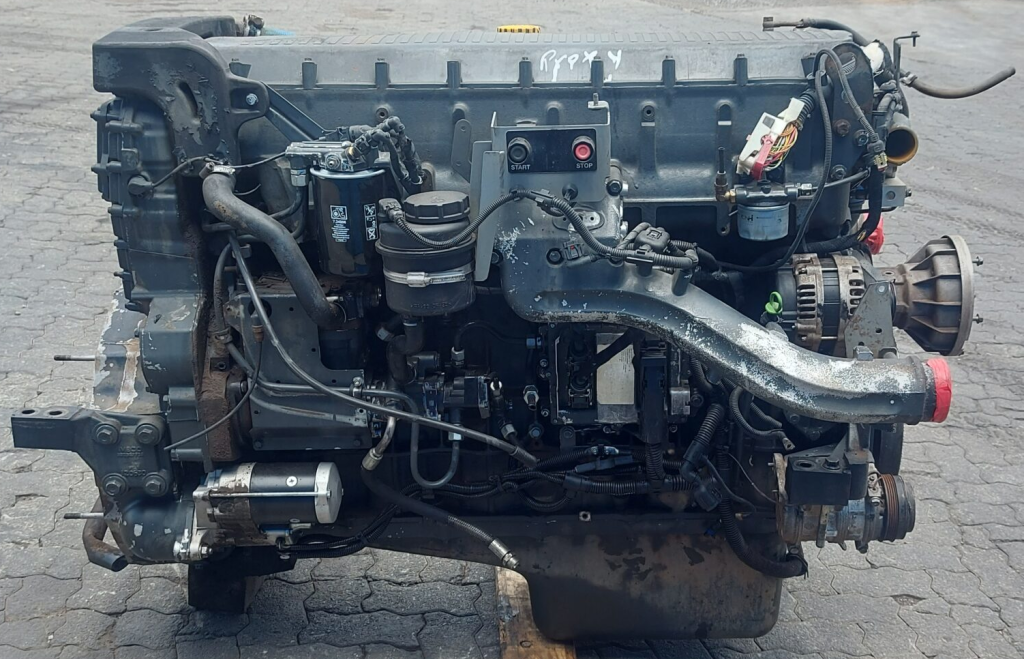
Engineered for durability and performance, the F3B features a cast iron cylinder block and an aluminum alloy cylinder head. It employs a common rail direct injection fuel system, enabling precise fuel atomization and combustion efficiency, which is critical for meeting stringent emissions standards. The valvetrain utilizes a Double Overhead Camshaft (DOHC) design with four valves per cylinder, optimizing airflow for both intake and exhaust. Most variants incorporate a variable geometry turbocharger (VGT) coupled with an intercooler, further enhancing power delivery and responsiveness across the engine’s operational range.
The IVECO F3B engine has been extensively deployed in a range of vehicles, most notably within the Iveco Daily light commercial vehicle series from approximately 2006 onwards, across multiple generations (e.g., Euro 4, Euro 5, Euro 6 variants). It also powered certain versions of the Fiat Ducato, particularly those specified for motorhome applications or heavy-duty use. Beyond road vehicles, the F3B found applications in agricultural machinery, construction equipment, and marine propulsion, underscoring its versatility and robust design.
Technical Specifications
| Displacement (cc) | 2998 |
|---|---|
| Max Power (hp (kW) @ RPM) | 170 (125) @ 3500 |
| Max Torque (Nm (kg*m) @ RPM) | 400 (40.8) @ 1250-3000 |
| Fuel Type | Diesel |
| Fuel Consumption (l/100 km) | Varies significantly by vehicle application and load |
| Engine Type | Inline 4-cylinder, DOHC, Turbocharged Diesel |
| Compression Ratio | 17.0:1 |
| Cylinder Bore (mm) | 95.8 |
| Piston Stroke (mm) | 104.0 |
| Valvetrain | DOHC |
| Valves per Cylinder | 4 |
| Additional Info | Common Rail Direct Injection, Variable Geometry Turbocharger (VGT), Intercooler, EGR, DPF (Euro 5/6 variants) |
Common Problems & Reliability
The IVECO F3B engine is generally regarded as a highly reliable unit, especially when maintained diligently. However, like many modern diesel engines, certain issues can arise, often exacerbated by specific operating conditions or delayed maintenance.
- Exhaust Gas Recirculation (EGR) System and Diesel Particulate Filter (DPF) Issues: These are common points of failure, particularly in vehicles subjected to frequent short journeys or prolonged idling. Soot and carbon buildup can clog the EGR valve, cooler, and DPF, leading to reduced performance, increased fuel consumption, and dashboard warning lights. Regular DPF regeneration cycles and appropriate driving habits are crucial for prevention.
- Injector Wear and Fuel System Components: High-pressure common rail fuel injectors can experience wear over high mileage, leading to poor spray patterns, reduced fuel efficiency, and misfires. Issues with the high-pressure fuel pump or fuel pressure regulator are less common but can occur, often signaled by rough running or difficulty starting. Quality fuel and timely fuel filter replacements are critical for longevity.
- Timing Chain Stretch: While the F3B uses a timing chain designed for the engine’s life, prolonged oil change intervals or use of incorrect oil specifications can accelerate chain wear and stretch. This can manifest as rattling noises, particularly on startup, and can eventually lead to incorrect valve timing and severe engine damage if unaddressed. Inspection of the chain and tensioners is advised during high-mileage services.
With proper care and adherence to service schedules, the IVECO F3B engine can realistically achieve a service life exceeding 400,000 to 500,000 kilometers (approximately 250,000 to 300,000 miles) before requiring major overhaul or extensive component replacement.
Maintenance Tips & Service Schedule
Optimal maintenance is paramount for ensuring the longevity and reliability of the IVECO F3B engine. Adhering to manufacturer-specified intervals and using approved fluids is critical.
- Engine Oil and Filter: Perform oil and filter changes every 20,000 to 40,000 kilometers (12,000-25,000 miles) or annually, whichever comes first, using a fully synthetic diesel engine oil conforming to IVECO’s specifications (e.g., ACEA C3 or C2/C5, depending on the Euro emission standard and specific engine variant). Refer to the vehicle’s owner’s manual for the precise oil viscosity (e.g., 5W-30 or 5W-40).
- Fuel Filter: Replace the fuel filter every 40,000 to 60,000 kilometers (25,000-37,000 miles) or as specified by the manufacturer, particularly in regions with lower fuel quality. This helps protect the sensitive common rail injection system.
- Air Filter: Inspect the air filter at every service and replace every 40,000 to 60,000 kilometers (25,000-37,000 miles), or more frequently if operating in dusty conditions, to ensure proper engine breathing and prevent turbocharger strain.
- Coolant Flush: The engine cooling system should be flushed and refilled with approved long-life coolant typically every 4 to 5 years or 100,000 to 150,000 kilometers (60,000-90,000 miles) to prevent corrosion and maintain heat transfer efficiency.
- Timing Chain: While designed for life, proactive inspection of the timing chain, guides, and tensioners for wear or excessive slack is recommended at around 200,000-250,000 kilometers (125,000-155,000 miles) or if any abnormal noises are present.
- EGR/DPF System: Monitor for DPF warning lights. Ensure sufficient high-speed driving for passive regeneration. If issues arise, prompt diagnosis and professional DPF cleaning or replacement of the EGR valve are necessary.
Conclusion
The IVECO F3B engine stands out as a highly capable and generally reliable diesel powerplant, making it a strong contender for a used vehicle buyer prioritizing durability and robust performance, especially in commercial or heavy-duty applications. Its widespread use and the availability of parts contribute to its practicality. Buyers should prioritize vehicles with a comprehensive service history, paying close attention to regular oil changes with correct specifications, and monitoring the health of the EGR and DPF systems. A well-maintained F3B engine offers excellent longevity and power for its class, representing a safe and dependable choice when its service history and current condition are thoroughly vetted.