
Overview & Design Features
The IVECO F3BE3681C is a prominent diesel engine developed by IVECO, a global leader in commercial vehicle manufacturing. Part of the robust Cursor engine family, this specific model is an inline six-cylinder powerplant with a displacement of 8.7 liters (8700 cubic centimeters). Renowned for its application in heavy-duty commercial vehicles, buses, and industrial machinery, the F3BE3681C embodies IVECO’s commitment to high performance, fuel efficiency, and compliance with stringent emissions standards, typically meeting Euro VI specifications. Its historical significance lies in powering a generation of heavy transport solutions, offering a balance of power, torque, and operational economy crucial for demanding logistics and passenger transport.
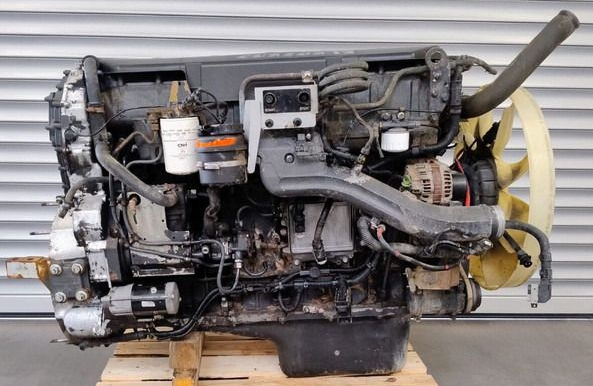
Engineering features of the F3BE3681C include a robust cast-iron cylinder block designed for durability and thermal stability under continuous heavy loads. The cylinder head, also cast iron, incorporates a sophisticated four-valve-per-cylinder design, optimized for superior gas flow and combustion efficiency. Fuel delivery is managed by a high-pressure common rail direct injection system, allowing for precise control over fuel atomization and injection timing, which is critical for maximizing power output while minimizing emissions. The valvetrain typically features a single overhead camshaft (SOHC) arrangement, known for its simplicity and reliability in heavy-duty applications. Furthermore, this engine is equipped with advanced emission control technologies such as exhaust gas recirculation (EGR), a variable geometry turbocharger (VGT), and selective catalytic reduction (SCR) with AdBlue injection, ensuring compliance with modern environmental regulations.
The IVECO F3BE3681C engine has been extensively deployed across a range of IVECO’s heavy-duty product lines. Primary vehicle models include the IVECO Stralis (various configurations, particularly for long-haul and regional transport), the IVECO Trakker (heavy-duty construction and off-road applications), and various urban and intercity buses manufactured by IVECO Bus. Production years for models featuring this specific engine often span from the mid-2010s onwards, reflecting its role in meeting Euro VI emission standards. It can be found in numerous trims and power ratings within these vehicle families, tailored to specific operational requirements.
Technical Specifications
| Displacement (cc) | 8700 |
| Max Power (hp (kW) @ RPM) | 360 (265) @ 2200 |
| Max Torque (Nm (kg*m) @ RPM) | 1500 (153) @ 1200-1600 |
| Fuel Type | Diesel |
| Fuel Consumption (l/100 km) | 25-35 (Highly dependent on vehicle application, load, and driving conditions) |
| Engine Type | Inline 6-cylinder, Turbocharged, Intercooled, Common Rail Direct Injection Diesel |
| Compression Ratio | 17.0:1 – 17.5:1 (Typical for Cursor 9 series) |
| Cylinder Bore (mm) | 117 |
| Piston Stroke (mm) | 135 |
| Valvetrain | SOHC (Single Overhead Camshaft) |
| Valves per Cylinder | 4 |
| Additional Info | Euro VI Compliant, Variable Geometry Turbocharger (VGT), Exhaust Gas Recirculation (EGR), Selective Catalytic Reduction (SCR) with AdBlue, Engine Brake System |
Common Problems & Reliability
The IVECO F3BE3681C, being a heavy-duty commercial engine, is engineered for longevity and reliability. However, like all complex modern diesels, specific areas warrant attention over its operational lifespan.
- Emission Control System Issues: Components related to Euro VI compliance, such as the DPF (Diesel Particulate Filter), EGR valve, and SCR system (AdBlue injector, NOx sensors), can experience blockages, sensor failures, or operational faults. These issues are often exacerbated by insufficient regeneration cycles or poor fuel quality, leading to reduced performance and increased repair costs.
- Fuel Injector Wear: High-pressure common rail injectors, while precise, are susceptible to wear or clogging over extended mileage, particularly if fuel contamination or inadequate filtration is present. Symptoms include rough idling, reduced power, increased fuel consumption, or misfires. Regular fuel filter replacement is critical for prevention.
- Turbocharger Longevity: The variable geometry turbocharger (VGT) is a vital component. While generally robust, carbon buildup within the VGT mechanism or bearing wear can lead to reduced boost pressure, sluggish acceleration, or whistling noises. Proper oil change intervals and cool-down procedures are essential for turbo longevity.
With diligent maintenance and operation within specified parameters, the IVECO F3BE3681C engine has an impressive expected service life. A properly maintained unit can often achieve mileage in excess of 1,000,000 kilometers before requiring a major overhaul, demonstrating its inherent durability designed for continuous commercial operation.
Maintenance Tips & Service Schedule
Optimal performance and longevity of the F3BE3681C engine hinge on adherence to a strict maintenance schedule and the use of specified components and fluids.
- Engine Oil & Filter: Oil changes are typically recommended every 40,000 to 60,000 kilometers or annually, whichever comes first, depending on vehicle application, duty cycle, and oil analysis results. Use low-SAPS (Sulphated Ash, Phosphorus, Sulphur) engine oils conforming to ACEA E6 or E9 specifications, with viscosity grades like 10W-40 or 5W-30, as specified by IVECO for Euro VI engines. Replace the oil filter concurrently with each oil change.
- Fuel Filters: Replace primary and secondary fuel filters every 40,000 to 60,000 kilometers or annually to protect the common rail injection system from contaminants.
- Air Filter: Inspect and replace the air filter element as per the manufacturer’s schedule, typically every 80,000 to 120,000 kilometers, or more frequently in dusty environments.
- Coolant System: Flush and replace engine coolant every 250,000 kilometers or every 4 years using an extended-life organic additive technology (OAT) coolant conforming to IVECO specifications. Regularly inspect coolant levels and hoses for leaks or degradation.
- AdBlue System: Ensure the AdBlue (Diesel Exhaust Fluid) tank is refilled with certified AdBlue (ISO 22241). Regularly check the system for fault codes and ensure the AdBlue filter (if fitted) is replaced as per schedule.
- Valve Lash Adjustment: Periodically check and adjust valve lash clearances, typically every 200,000 to 300,000 kilometers, to maintain optimal combustion efficiency and prevent premature valvetrain wear.
- Diagnostics: Regular diagnostic checks are advised to monitor engine parameters, identify potential issues early, and ensure the emission control systems are functioning correctly.
Conclusion
The IVECO F3BE3681C engine stands as a testament to robust engineering, designed to deliver consistent performance and durability in demanding commercial applications. For a used vehicle buyer, especially those considering trucks or buses equipped with this powerplant, it generally represents a safe and reliable choice. Its widespread use and adherence to modern emission standards ensure a degree of operational efficiency and compliance. However, prospective buyers should prioritize a comprehensive service history, confirming regular and professional maintenance, particularly concerning the emission control systems and fuel injection components. A well-maintained F3BE3681C can offer a long and productive service life, making it a sound investment in the heavy-duty sector.