
Overview & Design Features
The GM Chevrolet Small-Block 307, often associated with GMC vehicles due to shared platforms and powertrains, represents a specific iteration within General Motors’ iconic Gen I Small-Block V8 family. Introduced in 1968, this engine featured a displacement of 307 cubic inches (approximately 5.0 liters). It was conceived as an economical and versatile V8, designed to offer a balance of performance and efficiency for a wide range of passenger cars and light-duty trucks across the Chevrolet, GMC, Pontiac, and Oldsmobile divisions. Its historical significance lies in its role as an entry-level V8 option during a period of expanding model lineups and increasing demand for V8 power.
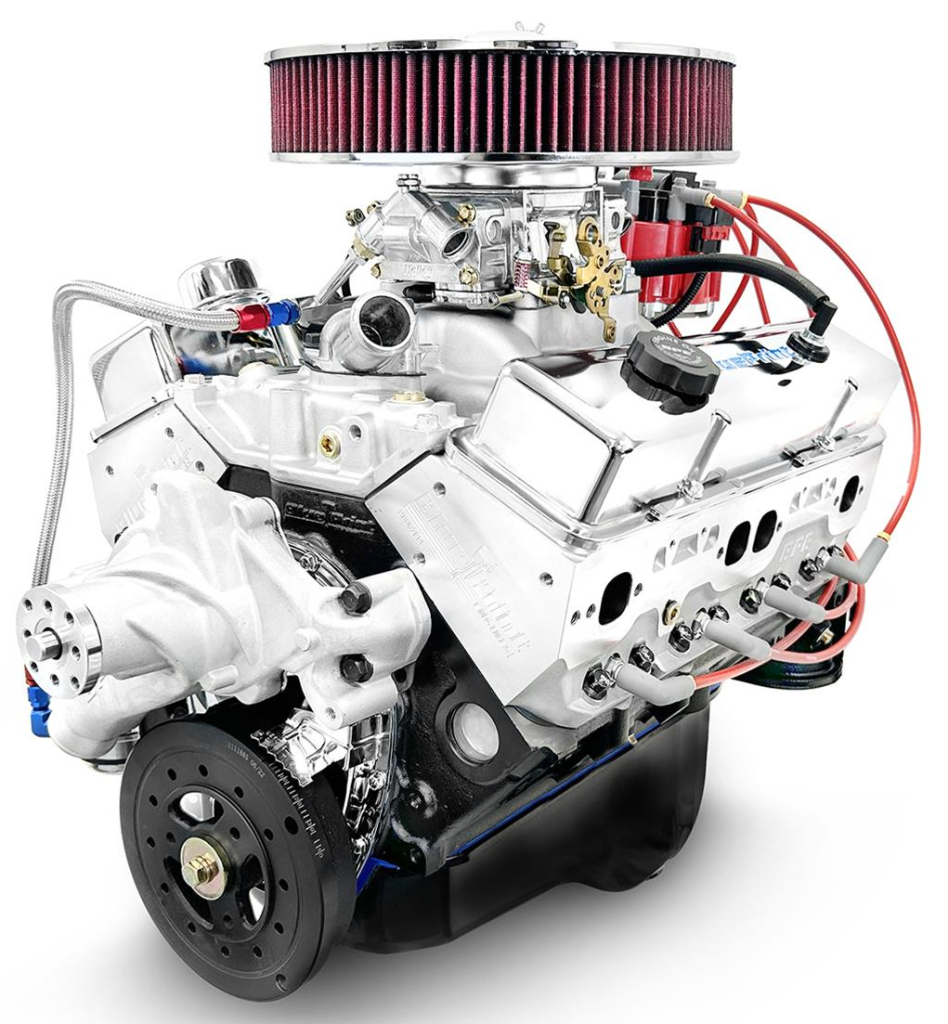
From an engineering standpoint, the 307 utilized a robust cast-iron cylinder block and cast-iron cylinder heads, typical of GM’s small-block architecture from that era. Its design incorporated a pushrod overhead valve (OHV) valvetrain with two valves per cylinder, known for its simplicity and durability. Fuel delivery was exclusively via a carburetor, commonly a Rochester 2-barrel or 4-barrel unit, depending on the application and trim level. This carbureted setup, devoid of modern electronic fuel injection or variable valve timing technologies, reflected the standard powertrain technology of its production period, prioritizing straightforward mechanical operation over complex electronic control.
The Small-Block 307 was widely deployed across various GM platforms. It powered numerous Chevrolet models, including the Chevelle, Impala, Nova, Camaro, and C/K series trucks, primarily between 1968 and 1973. GMC C/K series trucks and Vandura vans also utilized the 307 extensively during these years. Furthermore, it appeared in some Pontiac and Oldsmobile models, often as a budget V8 option, underscoring its versatility as a workhorse engine within the GM corporate structure.
Technical Specifications
| Displacement (cc) | 5031 cc (307 cu in) |
| Max Power (hp (kW) @ RPM) | 200 hp (149 kW) @ 4600 RPM (Gross, typical 2-bbl) |
| Max Torque (Nm (kg*m) @ RPM) | 407 Nm (41.5 kg*m) @ 2400 RPM (Gross, typical 2-bbl) |
| Fuel Type | Gasoline (Regular Unleaded, 87 octane minimum) |
| Fuel Consumption (l/100 km) | Highly variable depending on vehicle, gearing, and driving conditions; refer to period documentation. |
| Engine Type | OHV V8, Naturally Aspirated |
| Compression Ratio | 9.0:1 (typical) |
| Cylinder Bore (mm) | 98.43 mm (3.875 in) |
| Piston Stroke (mm) | 82.55 mm (3.250 in) |
| Valvetrain | Pushrod, Overhead Valve (OHV) |
| Valves per Cylinder | 2 |
| Additional Info | Cast iron block and heads, Carbureted fuel system |
Common Problems & Reliability
- Oil Leaks: As with many older engines, the 307 is prone to developing oil leaks over time, particularly from the rear main seal, valve covers, and oil pan gaskets. These issues are often exacerbated by age and degraded seal materials. Regular inspection and timely gasket replacement are crucial to mitigating these leaks.
- Carburetor Issues: The original carbureted fuel system can suffer from wear, clogging, or maladjustment. Common problems include rough idling, poor fuel economy, hard starting, and hesitation during acceleration. Rebuilding or properly tuning the carburetor, or in some cases, converting to an aftermarket electronic fuel injection system, can address these performance issues.
- Distributor Wear: The mechanical distributor, responsible for ignition timing, can experience wear in its bushings or vacuum/centrifugal advance mechanisms. This can lead to erratic timing, misfires, and reduced engine efficiency. Inspection and replacement of worn components or a complete distributor replacement may be necessary.
Despite these potential issues, the GM Chevrolet Small-Block 307 is generally regarded as a robust and reliable engine. With proper maintenance and attention to its age-related components, it is not uncommon for these engines to achieve 150,000 to 200,000 miles before requiring a major overhaul.
Maintenance Tips & Service Schedule
- Engine Oil and Filter: Perform oil and filter changes every 3,000 miles or every 6 months, whichever comes first. Recommended oil viscosity is typically 10W-30 or 10W-40 conventional motor oil, although 5W-30 may be suitable in colder climates.
- Spark Plugs: Replace spark plugs every 30,000 miles or every 2 years. Using the correct heat range and gap is critical for optimal combustion and fuel efficiency.
- Coolant System: Flush and refill the cooling system every 2-3 years or 30,000 miles with a conventional green ethylene glycol-based coolant. Inspect hoses, radiator, and water pump for leaks or signs of wear during this service.
- Fuel Filter: Replace the in-line fuel filter (if equipped) annually or every 12,000 miles to ensure clean fuel delivery to the carburetor.
- Air Filter: Inspect the air filter at every oil change and replace it as needed, or at least annually, to ensure proper air intake and protect the engine from contaminants.
- Carburetor and Ignition Timing: Periodically check and adjust the carburetor for proper idle mixture and speed, and verify ignition timing according to factory specifications, especially if experiencing rough running or poor fuel economy.
Conclusion
The GMC GM Chevrolet Small-Block 307, while not a high-performance icon, stands as a testament to the enduring durability and simplicity of early GM V8 engineering. For a used vehicle buyer, an engine of this type, when properly maintained, can be a safe and reliable choice, particularly for those seeking a mechanically straightforward powertrain that is relatively inexpensive to service and repair. Its lack of complex electronics makes it appealing for enthusiasts who prefer to perform their own maintenance. Buyers should prioritize vehicles with documented service histories and be prepared to address age-related wear, primarily concerning gaskets, seals, and the carbureted fuel system. With diligent care, the 307 can provide many more years of dependable service.