
Overview & Design Features
The GM Vortec LQ4 is a robust 6.0-liter (5967cc) V8 engine, an integral part of General Motors’ Gen III small-block architecture. Primarily engineered for heavy-duty truck and SUV applications, the LQ4 distinguished itself through its potent power delivery and durable construction. Launched in 1999, it served as a workhorse engine, providing substantial torque and horsepower necessary for towing, hauling, and commercial use. Its development underscored GM’s commitment to reliability and performance in the demanding truck segment, laying groundwork for subsequent generations of large displacement V8s.
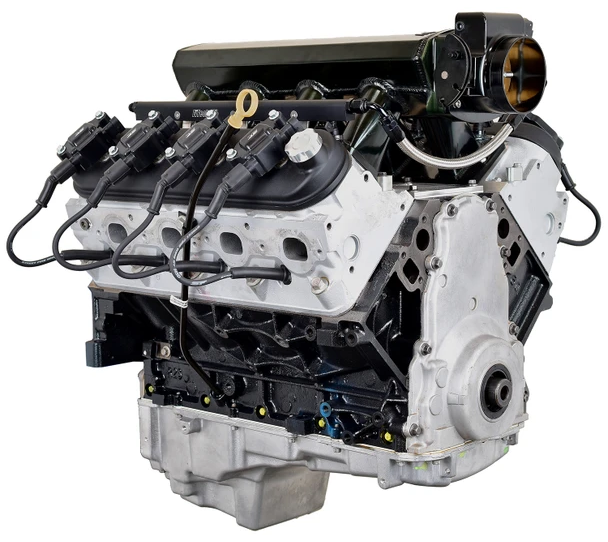
At its core, the LQ4 features a sturdy cast-iron block, providing exceptional structural rigidity and heat dissipation properties suited for sustained heavy loads. Complementing this robust foundation are aluminum cylinder heads, which contribute to weight reduction and improved thermal efficiency. Fuel delivery is managed by a Sequential Port Fuel Injection (SFI) system, precisely metering fuel into each cylinder for optimal combustion and emissions control. The valvetrain utilizes a traditional overhead valve (OHV) pushrod design, activating two valves per cylinder. This design choice prioritizes simplicity, compactness, and a broad torque curve over complex variable valve timing systems, aligning with its intended heavy-duty application.
The Vortec LQ4 engine saw widespread deployment across General Motors’ light-duty and heavy-duty truck and SUV lines. Key applications included the Chevrolet Silverado 2500HD and 3500, Chevrolet Suburban 2500, GMC Sierra 2500HD and 3500, and GMC Yukon XL 2500. It was also found in Chevrolet Express and GMC Savana commercial vans, as well as the Hummer H2. Production of the LQ4 spanned from 1999 to 2007, often offered in various trims requiring higher towing capacities or enhanced performance capabilities compared to smaller displacement options.
Technical Specifications
| Specification | Value |
|---|---|
| Displacement (cc) | 5967 cc |
| Max Power (hp (kW) @ RPM) | 300 hp (224 kW) @ 4400 RPM (Typical, varies by application) |
| Max Torque (Nm (kg*m) @ RPM) | 488 Nm (49.8 kg*m) @ 4000 RPM (Typical, varies by application) |
| Fuel Type | Gasoline (Regular Unleaded, 87+ octane) |
| Fuel Consumption (l/100 km) | 15-20 (Combined, highly dependent on vehicle/load) |
| Engine Type | V8, Naturally Aspirated, Overhead Valve (OHV) |
| Compression Ratio | 9.4:1 |
| Cylinder Bore (mm) | 101.6 mm |
| Piston Stroke (mm) | 92.0 mm |
| Valvetrain | OHV, Pushrod |
| Valves per Cylinder | 2 |
| Additional Info | Cast Iron Block, Aluminum Cylinder Heads, Sequential Port Fuel Injection (SFI) |
Common Problems & Reliability
The Vortec LQ4 engine is widely regarded for its exceptional durability; however, certain common issues may manifest, particularly at higher mileages. One characteristic, often misdiagnosed as a severe problem, is piston slap. This audible knocking sound, typically more pronounced during cold starts, results from piston-to-cylinder wall clearance within design tolerances. While generally not indicative of imminent failure for the LQ4, excessive or persistent noise warrants professional inspection. Another prevalent concern involves exhaust manifold bolts, which are prone to breaking due to repeated heat cycles and corrosion, leading to exhaust leaks and ticking sounds. Replacement can be labor-intensive due to bolt extraction challenges. Lastly, some LQ4 units may exhibit increased oil consumption over time, often attributed to worn piston rings or PCV system inefficiencies. Regular monitoring of oil levels is essential. With diligent maintenance, including timely oil changes and addressing minor issues promptly, the LQ4 engine typically provides a service life exceeding 250,000 miles (400,000 km), with many examples surpassing 300,000 miles (480,000 km) before requiring a major overhaul.
Maintenance Tips & Service Schedule
Optimal longevity and performance from the LQ4 engine are achieved through adherence to a structured maintenance regimen. Engine oil should be changed every 5,000-7,500 miles (8,000-12,000 km) or as indicated by the vehicle’s Oil Life Monitor system, utilizing a 5W-30 viscosity synthetic blend or full synthetic oil that meets GM Dexos specifications. Spark plugs, typically iridium-tipped, have a recommended replacement interval of 100,000 miles (160,000 km). Inspection and potential replacement of the PCV valve are advised every 30,000-50,000 miles (48,000-80,000 km) to prevent oil consumption issues. The engine’s timing system is chain-driven, generally considered a lifetime component that typically does not require scheduled replacement under normal operating conditions; however, inspection for excessive slack is prudent at very high mileages. Coolant flushes are recommended every 5 years or 100,000 miles (160,000 km) using appropriate extended-life coolant to prevent corrosion and maintain cooling system efficiency. Regular inspection of accessory belts, hoses, and fluid levels also contributes significantly to overall reliability.
Conclusion
The GM Vortec LQ4 engine stands as a testament to General Motors’ engineering prowess for durable, high-capacity powerplants. Its robust design, relatively simple architecture, and widespread availability of parts contribute to its reputation for reliability. For a used vehicle buyer prioritizing strength, longevity, and ease of maintenance in a heavy-duty truck or SUV, the LQ4 represents a safe and highly capable choice. Provided it has been subjected to proper routine maintenance throughout its service life, an LQ4-equipped vehicle offers a strong prospect for continued dependable operation, making it an excellent investment for utility-focused applications.