
Overview & Design Features
The GMC L65 is a 6.5-liter (395 cubic inches) turbocharged V8 diesel engine developed by Detroit Diesel, which was a division of General Motors at the time of the engine’s development. Introduced in 1992 as a heavy-duty successor to the naturally aspirated 6.2-liter diesel, the L65 was engineered primarily to handle rigorous towing, hauling, and commercial transport tasks. This powerplant established a significant presence in GM’s utility and truck lineups during the 1990s and early 2000s, representing a transition era between fully mechanical heavy-duty diesels and modern common-rail electronic powerplants.
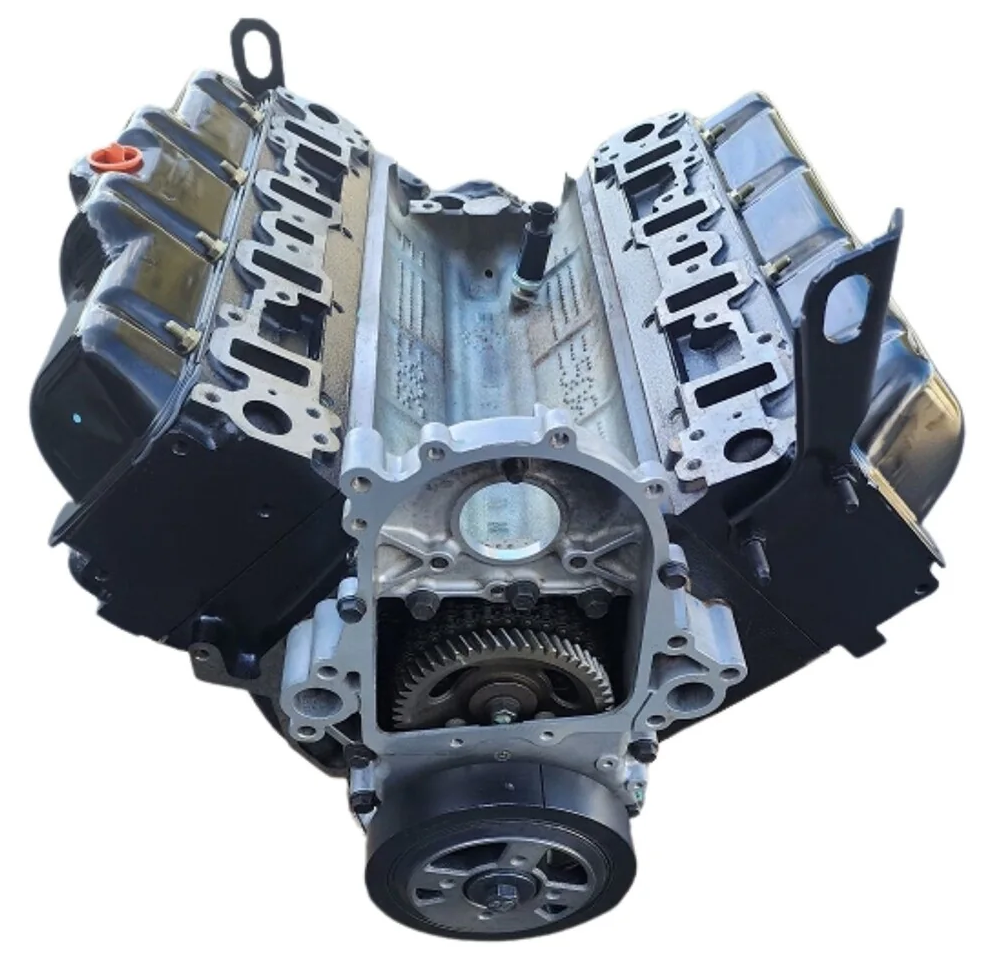
Engineering features of the L65 center around a robust cast-iron cylinder block and cast-iron cylinder heads configured in a 90-degree V8 layout. Unlike modern diesel designs that utilize high-pressure common-rail direct injection, the L65 employs an indirect fuel injection (IDI) system featuring Ricardo Comet V-type pre-combustion chambers. Fuel delivery is regulated by a Stanadyne DS4 electronic rotary injection pump. The valvetrain consists of a traditional overhead valve (OHV) pushrod design with two valves per cylinder, driven by a gear-driven camshaft located in the block, eschewing modern variable valve timing in favor of mechanical simplicity and durability.
The L65 engine was officially deployed across a wide range of General Motors platforms between 1992 and 2002. It was primarily installed in heavy-duty configurations, including the Chevrolet and GMC C/K 2500 and 3500 series pickup trucks, the Chevrolet Suburban, and the GMC Yukon. Furthermore, the engine powered GM G-Series commercial vans and served as the standard propulsion system for civilian and military variants of the AM General Hummer H1.
Technical Specifications
| Displacement (cc) | 6,468 cc |
| Max Power (hp (kW) @ RPM) | 215 hp (160 kW) @ 3,400 RPM |
| Max Torque (Nm (kg*m) @ RPM) | 597 Nm (60.9 kg*m) @ 1,800 RPM |
| Fuel Type | Diesel |
| Fuel Consumption (l/100 km) | Refer to manufacturer’s technical documentation |
| Engine Type | Turbocharged V8 90° IDI Diesel |
| Compression Ratio | 21.3:1 |
| Cylinder Bore (mm) | 103 mm |
| Piston Stroke (mm) | 97 mm |
| Valvetrain | OHV, gear-driven camshaft |
| Valves per Cylinder | 2 |
| Additional Info | Equipped with BorgWarner GM-series turbocharger and Stanadyne DS4 injection pump |
Common Problems & Reliability
- Pump Mounted Driver (PMD) Failure: The most notorious weakness of the L65 is the PMD on the Stanadyne DS4 electronic fuel injection pump. Mounted directly to the pump in the hot engine valley, the PMD is subjected to extreme thermal cycling that degrades its internal transistors. This results in sudden stalling, hard starts, or complete engine failure. Relocating the PMD to a cooler area in the engine bay using an aftermarket heatsink is a standard industry fix.
- Thermal Stress and Cracking: The factory cooling system in pre-1997 models was often inadequate for heavy towing, leading to elevated operating temperatures. Excessive heat can cause cylinder head cracking between the valve seats and, in severe cases, main bearing web cracking within the engine block.
- Realistic Service Life: Under diligent maintenance and with modern cooling system upgrades, the L65 can realistically achieve a service life of 250,000 to 300,000 miles (400,000 to 480,000 km) before requiring a major overhaul.
Maintenance Tips & Service Schedule
Sustaining the operational reliability of the L65 requires a rigid maintenance regimen tailored to older indirect-injection diesel engines. Lubrication is paramount; because IDI engines generate significant soot, engine oil and filters must be changed every 3,000 to 5,000 miles (4,800 to 8,000 km). Highly recommended lubricants include high-quality heavy-duty diesel oils with a 15W-40 viscosity rating.
The cooling system demands preventative upgrades and regular servicing. Flushing the coolant every 30,000 miles (48,000 km) and upgrading to a high-flow water pump and dual-thermostat crossover (standard on 1997 and later models) will mitigate overheating risks. To protect the highly sensitive Stanadyne DS4 injection pump, the fuel filter must be replaced every 10,000 to 15,000 miles (16,000 to 24,000 km). Finally, checking and replacing the glow plugs every 60,000 miles (96,000 km) ensures consistent cold starting and prevents starting-system fatigue.
Conclusion
The GMC L65 is a viable and reliable choice for used vehicle buyers, provided that its known failure points have been addressed. While it cannot compete with the sheer horsepower and torque figures of modern common-rail diesel engines, its simplicity, cheap replacement parts, and easy mechanical accessibility make it an appealing option for budget-conscious buyers and classic truck enthusiasts who value steady utility over high performance.