
Overview & Design Features
The GMC L96 and LC8 are robust 6.0-liter (5967 cc) naturally aspirated V8 engines, integral components of General Motors’ Gen IV small-block engine family. Manufactured by General Motors, these engines are renowned for their durability and strong performance, primarily deployed in heavy-duty truck, van, and SUV applications. They represent a key evolution in the LS engine lineage, blending traditional pushrod architecture with modern electronic controls to deliver substantial power and torque suitable for demanding workloads. The L96, specifically, is a direct successor to the LY6 engine, bringing refined capabilities to the forefront of GM’s powertrain offerings.
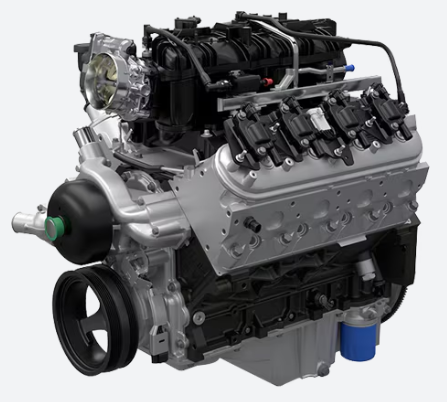
Engineering features of the L96/LC8 include a resilient cast iron cylinder block, paired with high-flow aluminum cylinder heads for optimal heat dissipation and weight reduction. Fuel delivery is managed by Multi-Port Fuel Injection (MPFI), which ensures precise fuel atomization and efficient combustion. A notable technological inclusion is Variable Valve Timing (VVT), enhancing torque delivery across the RPM range and improving fuel efficiency. Crucially, in most applications, the L96 and its flex-fuel variant, the LC8, do not incorporate Active Fuel Management (AFM), a distinction that often positions them as more mechanically straightforward and reliable compared to other Gen IV V8s that utilize cylinder deactivation.
The L96/LC8 engines were widely utilized in General Motors’ heavy-duty vehicle lineup during their production run, predominantly from approximately 2010/2011 to 2019. Primary applications include the Chevrolet Silverado 2500HD/3500HD and GMC Sierra 2500HD/3500HD trucks. They were also found in the Chevrolet Express and GMC Savana full-size vans, as well as select heavy-duty variants of large SUVs such as the Chevrolet Suburban 2500HD and GMC Yukon XL 2500HD, catering to fleet, commercial, and towing-focused consumers.
Technical Specifications
| Specification | Value |
|---|---|
| Displacement (cc) | 5967 |
| Max Power (hp (kW) @ RPM) | 360 (268) @ 5400 |
| Max Torque (Nm (kg*m) @ RPM) | 515 (52.5) @ 4200 |
| Fuel Type | Gasoline (LC8 also E85 Flex-Fuel compatible) |
| Fuel Consumption (l/100 km) | Varies significantly by vehicle application and driving conditions |
| Engine Type | Naturally Aspirated, OHV V8 |
| Compression Ratio | 9.6:1 |
| Cylinder Bore (mm) | 101.6 |
| Piston Stroke (mm) | 92.0 |
| Valvetrain | Pushrod, Overhead Valve (OHV), Variable Valve Timing (VVT) |
| Valves per Cylinder | 2 |
| Additional Info | Gen IV Small Block, Cast Iron Block, Aluminum Heads, Multi-Port Fuel Injection, generally without Active Fuel Management (AFM) |
Common Problems & Reliability
The L96/LC8 engines are broadly considered highly reliable and durable, largely due to their robust design and, critically, the absence of Active Fuel Management (AFM) in most applications, which often plagued other Gen IV V8s with lifter failures. However, no engine is entirely without potential issues. Common points of concern include failures of the oil pressure sensor, which can lead to incorrect readings or ‘check engine’ lights but typically does not indicate a catastrophic engine problem. Another frequent issue involves exhaust manifold bolts breaking or corroding, particularly in regions exposed to road salt, leading to exhaust leaks and ticking noises. While generally robust, the Variable Valve Timing (VVT) system components, such as the camshaft phaser or solenoid, can occasionally experience issues, potentially affecting engine performance or fuel economy. With diligent maintenance, the L96/LC8 engines are well-known for their longevity, frequently exceeding 250,000 to 300,000 miles (400,000 to 480,000 km) before requiring a major overhaul.
Maintenance Tips & Service Schedule
Optimal maintenance is paramount for maximizing the lifespan and performance of the L96/LC8 engine. Adherence to manufacturer-recommended service intervals is crucial. Engine oil should be changed every 5,000 to 7,500 miles (8,000 to 12,000 km) or according to the vehicle’s oil life monitoring system, utilizing a quality synthetic 5W-30 motor oil. Spark plugs typically require replacement at 100,000 miles (160,000 km). The engine utilizes a timing chain, designed for the life of the engine, which generally does not require routine replacement but should be inspected at high mileage intervals for wear. Coolant flushes are recommended every 5 years or 100,000 miles (160,000 km) to maintain cooling system efficiency. Regular inspection and replacement of the engine air filter, fuel filter (if applicable), and drive belt are also essential for sustained operational integrity. Prompt attention to any diagnostic trouble codes or unusual engine noises can prevent minor issues from escalating.
Conclusion
The GMC L96/LC8 engine stands out as a highly reliable and robust powertrain option for a used vehicle buyer, especially those seeking a durable engine for heavy-duty applications. Its inherently strong Gen IV small-block architecture, combined with the beneficial absence of the often-problematic Active Fuel Management system, contributes significantly to its reputation for longevity and straightforward maintenance. Provided a vehicle equipped with this engine has been subjected to proper and consistent maintenance, it represents a sound choice, offering strong performance and dependable service for many years and miles.