
Overview & Design Features
The GMC LFX is a member of General Motors’ High Feature V6 engine family, specifically a third-generation evolution of this architecture. Introduced in 2012, this 3.6-liter (3564 cc) naturally aspirated V6 engine was engineered to deliver a significant increase in power and fuel efficiency compared to its predecessors, the LLT and LY7. Manufactured across various GM facilities, the LFX represents a refined balance of performance and economy, becoming a cornerstone powerplant for numerous GM models across different segments. Its development focused on optimizing combustion and reducing parasitic losses, marking a notable advancement in GM’s V6 engine technology.
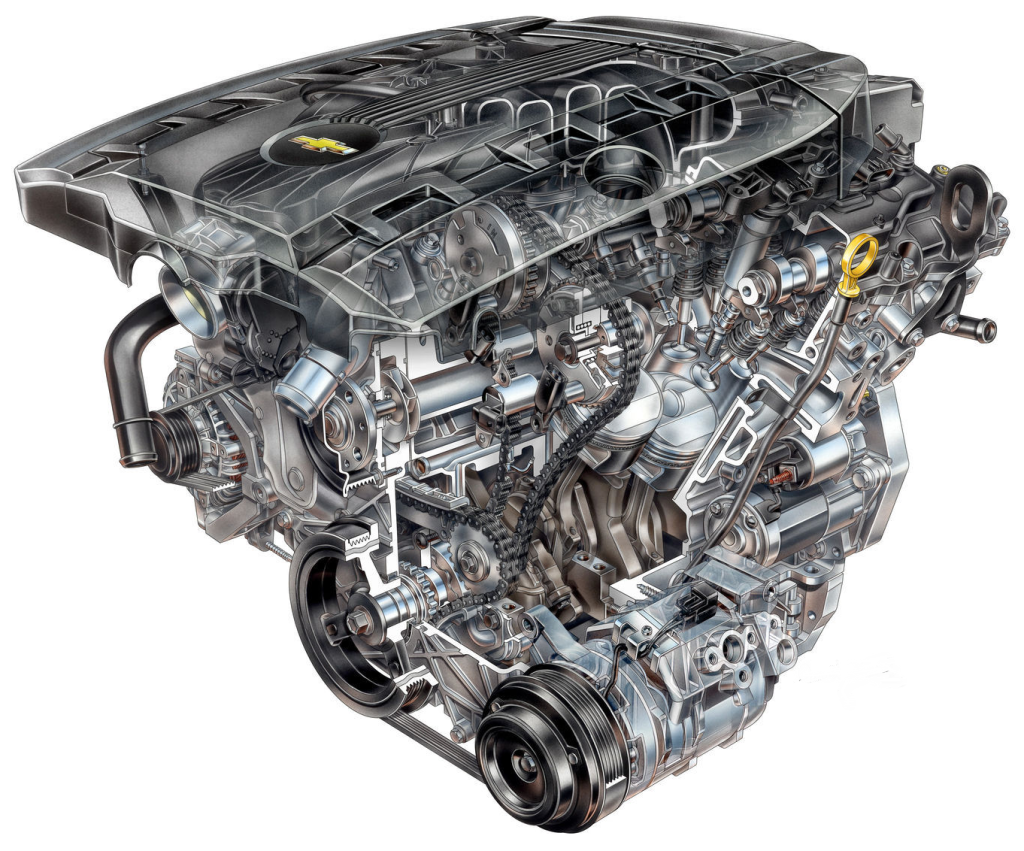
Key engineering features of the LFX engine include an all-aluminum construction for both the cylinder block and cylinder heads, contributing to reduced weight and improved heat dissipation. The deep-skirt aluminum block design enhances rigidity and durability. The LFX utilizes Gasoline Direct Injection (GDI), which sprays fuel directly into the combustion chamber, allowing for a higher compression ratio and more precise fuel delivery, leading to better fuel economy and increased power output. Dual Overhead Camshafts (DOHC) with Continuously Variable Valve Timing (VVT) are employed on both intake and exhaust valves, optimizing valve overlap and lift across the RPM range for enhanced performance and emissions control. Further refinements include integrated exhaust manifolds within the cylinder heads to reduce weight and improve catalytic converter light-off times, along with a composite intake manifold for weight savings and improved airflow.
The LFX engine saw extensive deployment across a wide range of General Motors vehicles. Notable applications include the 2012-2015 Chevrolet Camaro, 2012-2015 Cadillac CTS, 2013-2015 Cadillac ATS, 2012-2017 Buick Enclave, 2012-2017 Chevrolet Traverse, 2012-2017 GMC Acadia, 2012-2016 Cadillac SRX, and the 2012-2019 Chevrolet Impala. These applications typically utilized the LFX as a primary or sole engine option, showcasing its versatility and capability across performance, luxury, and utility vehicle segments.
Technical Specifications
| Displacement (cc) | 3564 cc |
| Max Power (hp (kW) @ RPM) | 323 hp (241 kW) @ 6800 RPM (varies slightly by application) |
| Max Torque (Nm (kg*m) @ RPM) | 377 Nm (38.4 kg*m) @ 4800 RPM (varies slightly by application) |
| Fuel Type | Premium Unleaded (91+ octane recommended for optimal performance) |
| Fuel Consumption (l/100 km) | ~10.2 l/100 km (combined, varies significantly by vehicle and driving conditions) |
| Engine Type | DOHC V6, Naturally Aspirated |
| Compression Ratio | 11.5:1 |
| Cylinder Bore (mm) | 94.0 mm |
| Piston Stroke (mm) | 85.6 mm |
| Valvetrain | Dual Overhead Camshafts (DOHC) with Continuously Variable Valve Timing (VVT) |
| Valves per Cylinder | 4 |
| Additional Info | Gasoline Direct Injection (GDI), Aluminum Block and Heads, Electronic Throttle Control |
Common Problems & Reliability
The GMC LFX engine is generally regarded as a reliable powerplant, building upon lessons learned from earlier High Feature V6 iterations. However, specific areas warrant attention for optimal longevity. One common issue, inherent to many Gasoline Direct Injection (GDI) engines, is carbon buildup on the intake valves. Without fuel washing over the intake valves, oil vapor from the PCV system can deposit carbon, leading to reduced airflow, misfires, rough idle, and diminished performance over time. While the LFX introduced design improvements to mitigate this, periodic cleaning (e.g., walnut blasting) may be required after significant mileage. Another potential concern relates to the timing chain system. Although improved from the problematic earlier generations, stretched timing chains can still occur, particularly in engines that have experienced neglected oil changes or extended drain intervals. Symptoms include a rattling noise from the front of the engine, particularly on cold start, and illumination of the check engine light with diagnostic trouble codes related to camshaft/crankshaft correlation (e.g., P0016, P0017). Finally, the high-pressure fuel pump (HPFP), a critical component of the direct injection system, can be a point of failure, leading to fuel delivery issues and corresponding engine performance problems. With diligent maintenance, the LFX engine can realistically achieve an expected service life of 200,000 miles (approximately 320,000 km) or more before requiring a major overhaul.
Maintenance Tips & Service Schedule
Proactive and consistent maintenance is crucial for maximizing the lifespan and reliability of the GMC LFX engine.
- Engine Oil: The use of Dexos-approved synthetic blend or full synthetic engine oil with a viscosity of 5W-30 is strongly recommended. Oil and filter changes should adhere strictly to the vehicle’s Oil Life Monitor (OLM) system or at least every 7,500 to 10,000 miles (12,000 to 16,000 km), whichever comes first. Frequent oil changes are particularly vital for preserving timing chain health.
- Spark Plugs: Iridium-tipped spark plugs are factory-installed and typically require replacement every 100,000 miles (160,000 km).
- Engine Air Filter: Inspect annually and replace every 15,000 to 30,000 miles (24,000 to 48,000 km), depending on driving conditions, to ensure optimal engine breathing.
- Coolant System: The cooling system should be flushed and refilled with Dex-Cool compatible coolant every 5 years or 100,000 miles (160,000 km).
- Fuel System Cleaning: While not a scheduled item, regular use of a high-quality fuel system cleaner containing PEA (Polyether Amine) can help mitigate carbon buildup on fuel injectors. For severe intake valve carbon buildup, a specialized service like walnut blasting or chemical cleaning by a professional technician is necessary.
- Timing Chains: There is no factory-recommended replacement interval for timing chains. Owners should be vigilant for symptoms of wear, such as abnormal engine noise, especially a rattle on cold startup. Addressing these symptoms promptly can prevent catastrophic engine damage.
Conclusion
The GMC LFX engine generally stands as a robust and reliable choice for a used vehicle buyer. It offers a compelling combination of strong performance, respectable fuel efficiency, and a refined driving experience within its class. While specific concerns like potential carbon buildup on intake valves and, less frequently, timing chain wear, are known, these issues are often manageable with diligent adherence to manufacturer-recommended maintenance schedules and proactive attention to early symptoms. Buyers prioritizing regular oil changes and considering periodic fuel system care will find the LFX to be a dependable and satisfying engine, making vehicles equipped with it a sound investment in the used car market.