
Overview & Design Features
The GMC L19, designated by General Motors as a Regular Production Option (RPO) code, identifies a specific iteration of the 6.0-liter (364 cubic inch) V8 gasoline engine. Predominantly associated with the robust Gen IV small-block architecture, the L19 typically refers to the L96 engine, a direct evolution of the LY6. This powerplant was engineered for heavy-duty applications, serving as a workhorse in GMC’s truck, SUV, and commercial van lineups, valued for its durability, torque production, and flex-fuel (E85) capability.
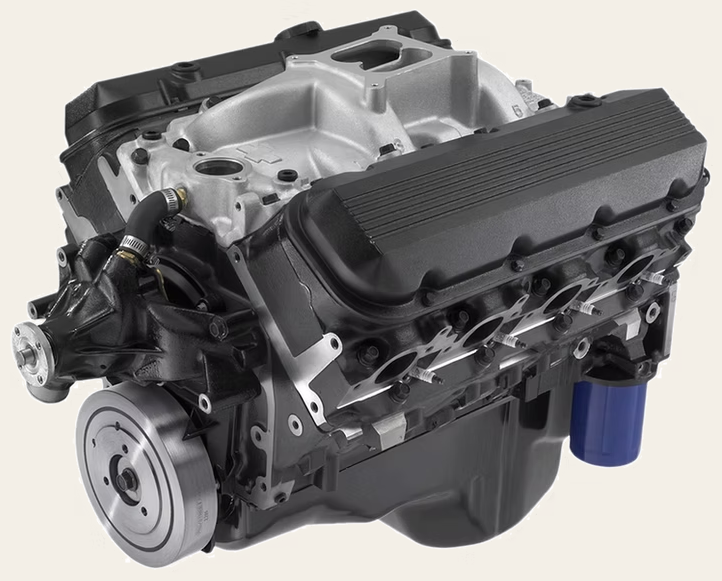
The L19 (L96) engine features a sturdy cast-iron cylinder block, renowned for its strength and longevity, paired with lightweight 319-T5 aluminum cylinder heads. It employs a traditional overhead valve (OHV) design, utilizing a single camshaft centrally located within the block to actuate two valves per cylinder via pushrods and rocker arms. Fuel delivery is managed by a sophisticated sequential port fuel injection (SPFI) system, providing precise fuel metering. A key technological advancement in the L96 variant is the implementation of Variable Valve Timing (VVT), which optimizes valve overlap and lift characteristics across the RPM range, enhancing both low-end torque and high-end power while improving fuel efficiency. While not universally present across all L96 applications, some versions incorporated Active Fuel Management (AFM), also known as Displacement on Demand (DOD), which deactivates four cylinders under light load conditions to further conserve fuel.
The GMC L19 engine was widely deployed across various heavy-duty vehicles, primarily from the late 2000s through the 2010s. Notable applications include the GMC Sierra 2500HD/3500HD, GMC Yukon XL 2500, and GMC Savana 2500/3500 vans. It was commonly found in trims requiring increased towing and hauling capacities, leveraging its robust design and substantial torque output to meet demanding commercial and recreational needs.
Technical Specifications
| Displacement (cc) | 5967 cc |
| Max Power (hp (kW) @ RPM) | ~360 hp (268 kW) @ 5400 RPM |
| Max Torque (Nm (kg*m) @ RPM) | ~515 Nm (52.5 kg*m) @ 4200 RPM |
| Fuel Type | Gasoline (Flex-Fuel E85 capable) |
| Fuel Consumption (l/100 km) | Refer to manufacturer’s technical documentation |
| Engine Type | V8, OHV |
| Compression Ratio | 9.6:1 |
| Cylinder Bore (mm) | 101.6 mm |
| Piston Stroke (mm) | 92.0 mm |
| Valvetrain | OHV, Variable Valve Timing (VVT) |
| Valves per Cylinder | 2 |
| Additional Info | Cast-iron block, aluminum cylinder heads. Some versions include Active Fuel Management (AFM). |
Common Problems & Reliability
The GMC L19 (L96) engine is largely regarded as a reliable and durable powerplant, a testament to its heavy-duty design. However, specific issues can arise, particularly in versions equipped with Active Fuel Management (AFM). A prevalent concern is the failure of AFM/DOD lifters, which can stick or collapse, leading to misfires, ticking noises from the valvetrain, and potential camshaft lobe wear. This issue is often exacerbated by extended oil change intervals or inadequate oil quality. Another common complaint, sometimes related to AFM operation and PCV system design, is elevated engine oil consumption, which necessitates regular monitoring of oil levels.
Less frequently, at very high mileages, wear in the timing chain and tensioner components can occur, manifesting as rattling noises from the front of the engine. While the L19’s iron block and robust internal components provide a strong foundation, neglecting maintenance can accelerate these issues. With proper maintenance, including timely oil changes and attentive monitoring, the L19 engine can reliably exceed 250,000 to 300,000 miles before requiring major overhaul, particularly in non-AFM configurations.
Maintenance Tips & Service Schedule
Optimal maintenance is crucial for extending the service life and reliability of the GMC L19 engine. Regular oil changes are paramount; engine oil should be replaced every 5,000 to 7,500 miles or every six months, whichever comes first, using a high-quality synthetic blend or full synthetic oil meeting Dexos 1 Gen 2 specifications, typically with a 5W-30 viscosity. Monitoring oil levels between changes is highly recommended, especially for AFM-equipped engines.
Spark plugs, ideally iridium-tipped, should be inspected and replaced every 90,000 to 100,000 miles. The serpentine belt and tensioner should be inspected for wear and replaced as needed, typically around 100,000 miles. The engine’s coolant should be flushed and refilled with a long-life OAT (Organic Acid Technology) coolant every 100,000 to 150,000 miles or five years. Since the L19 utilizes a timing chain, it generally does not require periodic replacement like a timing belt; however, inspection for noise or slack should occur during higher mileage services, typically exceeding 150,000 miles. Air and fuel filters should be replaced according to manufacturer recommendations, usually every 30,000 to 50,000 miles, depending on driving conditions.
Conclusion
The GMC L19 (L96) engine generally stands as a highly reliable and durable choice for a used vehicle buyer, especially for those seeking a robust powerplant for heavy-duty applications. Its strong iron block, proven OHV design, and significant torque output contribute to a long service life. While potential issues with AFM lifters and oil consumption exist in some variants, these are often manageable with diligent maintenance and proactive monitoring. For used vehicle buyers, opting for models without AFM or verifying that AFM-related repairs have already been performed can provide additional peace of mind. Overall, with a commitment to proper and timely service, the L19 represents a sound investment for reliability and performance.