
Overview & Design Features
The GM Vortec 2900 LLV is an inline four-cylinder gasoline engine produced by General Motors under the Atlas modular engine family. Introduced in 2007 as a direct replacement for the 2.8-liter LK5 engine, the LLV featured a larger displacement and improved performance characteristics. Designed primarily for light-duty trucks and mid-size sports utility vehicles, this engine utilized modern engineering solutions to balance fuel efficiency with the low-end torque required for commercial and daily hauling tasks.
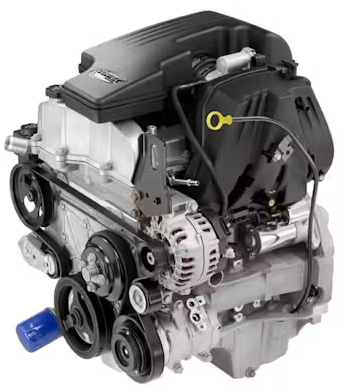
Constructed with an all-aluminum cylinder block and cylinder head, the LLV engine minimized front-end vehicle weight while maximizing thermal efficiency. The engine incorporated dual overhead camshafts (DOHC) and four valves per cylinder, utilizing electronic throttle control for precise air intake management. A key technological highlight of this powerplant was the implementation of Variable Valve Timing (VVT) on the exhaust camshaft, which optimized exhaust gas scavenging across different engine speeds. Fuel delivery was managed through a conventional sequential multi-port fuel injection system, which ensured reliable cold-starting and consistent air-fuel ratios.
The Vortec 2900 LLV was officially deployed in several General Motors mid-size pickup trucks and their platform cousins. It served as the base powerplant for the GMC Canyon and the Chevrolet Colorado from the 2007 through 2012 model years. Additionally, the engine was utilized in the Isuzu i-290 pickup truck during its brief production run between 2007 and 2008, specifically powering the entry-level rear-wheel-drive configurations.
Technical Specifications
| Displacement (cc) | 2,921 cc (2.9 Liters) |
| Max Power (hp (kW) @ RPM) | 185 hp (138 kW) @ 5,600 RPM |
| Max Torque (Nm (kg*m) @ RPM) | 258 Nm (26.3 kg*m) @ 4,800 RPM |
| Fuel Type | Regular Unleaded Gasoline (87 Octane) |
| Fuel Consumption (l/100 km) | Approx. 11.2 l/100 km (combined cycle) |
| Engine Type | Inline 4-cylinder, 4-stroke |
| Compression Ratio | 10.3:1 |
| Cylinder Bore (mm) | 95.5 mm |
| Piston Stroke (mm) | 102.0 mm |
| Valvetrain | DOHC with Exhaust Variable Valve Timing (VVT) |
| Valves per Cylinder | 4 |
| Additional Info | Features twin counter-rotating balance shafts and a timing chain |
Common Problems & Reliability
While the Vortec 2900 LLV solved many cylinder head sealing issues that plagued its 2.8-liter predecessor, it is not completely free of mechanical weak points. The most notable issue involves the timing chain and its hydraulic tensioner. Over time, inadequate oil lubrication can cause the timing chain to stretch, resulting in camshaft position correlation codes, rough idling, and, in severe cases, catastrophic valve-to-piston contact. Another frequent point of failure is the variable valve timing (VVT) solenoid, which can become clogged with carbon deposits, leading to engine hesitation and decreased fuel economy. Additionally, electronic throttle body carbon accumulation often causes erratic idling.
Despite these vulnerabilities, the LLV is considered a robust and durable engine. Under diligent ownership with strict adherence to preventative maintenance protocols, this engine regularly achieves a realistic service life of 250,000 to 300,000 miles (400,000 to 480,000 kilometers) before requiring a major overhaul or replacement.
Maintenance Tips & Service Schedule
To maximize the longevity of the LLV engine, strict maintenance is required from an engineering perspective:
- Engine Oil: Use high-quality 5W-30 synthetic engine oil. Changes must be performed every 5,000 to 7,500 miles (8,000 to 12,000 kilometers). Maintaining the proper oil level is critical because the timing chain tensioner relies heavily on consistent hydraulic oil pressure.
- Spark Plugs: Replace the iridium-tipped spark plugs every 100,000 miles (160,000 kilometers) to prevent ignition coils from failing prematurely.
- Cooling System: Perform a complete flush of the Dex-Cool coolant every 5 years or 150,000 miles (240,000 kilometers) to prevent corrosion within the aluminum cylinder head.
- Intake Maintenance: Clean the electronic throttle body and inspect the PCV system every 50,000 miles (80,000 kilometers) to maintain stable idle control and prevent carbon buildup.
Conclusion
The GMC LLV engine represents a well-engineered evolution of the GM Atlas family, addressing previous reliability concerns with structural and cylinder head upgrades. For used vehicle buyers, a vehicle equipped with the 2.9-liter LLV engine is a highly recommended and safe choice, provided there is verifiable proof of regular oil changes and cool-running operation.