
Overview & Design Features
The GMC LWN, commonly known as the 2.8L Duramax, is a compact inline-four cylinder turbodiesel engine produced by General Motors. Introduced in 2016 for the North American market, this engine represents GM’s commitment to offering fuel-efficient and torque-rich diesel options in its mid-size truck lineup. Originating from GM’s global diesel engine family developed by VM Motori (a GM Powertrain partner), the LWN variant was specifically tailored for lighter-duty pickup applications, providing a compelling balance of towing capability and fuel economy.
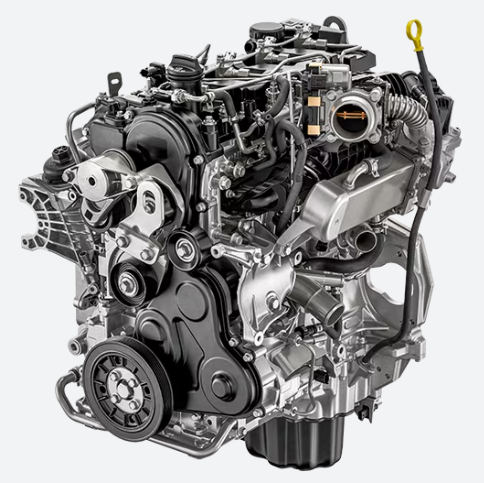
Engineered for durability and performance, the LWN features an aluminum cylinder block and an aluminum double overhead camshaft (DOHC) cylinder head, promoting weight reduction and efficient heat dissipation. Fuel delivery is managed by a high-pressure common rail direct injection system, which precisely atomizes diesel fuel for optimal combustion and emissions control. A variable geometry turbocharger (VGT) enhances throttle response and broadens the torque curve across the RPM range, while Exhaust Gas Recirculation (EGR) and a Diesel Particulate Filter (DPF) system are integral components for meeting stringent emissions standards. The valvetrain incorporates 16 valves, four per cylinder, for improved airflow.
The GMC LWN engine found its primary application in the mid-size truck segment within North America. It was notably deployed in the Chevrolet Colorado and its corporate sibling, the GMC Canyon, from the 2016 model year through 2022. This engine was typically offered as a premium powertrain option, appealing to buyers seeking superior towing capacity and fuel efficiency compared to gasoline counterparts within the same vehicle lines.
Technical Specifications
| Displacement (cc) | 2776 |
| Max Power (hp (kW) @ RPM) | 181 (135) @ 3400 |
| Max Torque (Nm (kg*m) @ RPM) | 500 (51) @ 2000 |
| Fuel Type | Diesel |
| Fuel Consumption (l/100 km) | 8.5 (Combined Estimate) |
| Engine Type | Inline 4-cylinder, DOHC, Turbocharged Diesel |
| Compression Ratio | 16.5:1 |
| Cylinder Bore (mm) | 94 |
| Piston Stroke (mm) | 100 |
| Valvetrain | DOHC 16-Valve |
| Valves per Cylinder | 4 |
| Additional Info | Variable Geometry Turbocharger (VGT), Common Rail Direct Injection, Diesel Particulate Filter (DPF), Exhaust Gas Recirculation (EGR), Selective Catalytic Reduction (SCR) with Diesel Exhaust Fluid (DEF) |
Common Problems & Reliability
The GMC LWN engine generally exhibits good reliability when properly maintained, but specific issues are common with modern diesel powertrains. One notable area of concern relates to the exhaust aftertreatment system, specifically the Diesel Particulate Filter (DPF) and Exhaust Gas Recirculation (EGR) system. Frequent short-distance driving cycles can prevent the DPF from completing regeneration cycles, leading to clogging and reduced engine performance. This often necessitates forced regenerations or, in severe cases, DPF replacement. EGR valves and coolers can also accumulate carbon deposits, causing them to stick or malfunction.
Another potential issue observed involves the fuel injectors. While not widespread, some owners have reported injector-related problems at higher mileage, often manifested as rough idling, misfires, or decreased fuel economy. These issues can stem from poor fuel quality or normal wear over time. Monitoring fuel system health and using high-quality diesel fuel with appropriate additives can mitigate this risk. Turbocharger longevity is generally strong, but like all forced induction systems, it is sensitive to proper oil maintenance and cool-down procedures.
With diligent adherence to the factory maintenance schedule and appropriate driving habits (allowing for DPF regeneration), the GMC LWN engine is capable of achieving a realistic service life of 250,000 to 300,000 miles (400,000 to 480,000 km) before requiring major overhaul work.
Maintenance Tips & Service Schedule
Proper maintenance is paramount for the longevity and reliable operation of the GMC LWN engine. Adhering to manufacturer-recommended service intervals and using specified fluids is crucial.
- Engine Oil: Synthetic diesel engine oil meeting API CJ-4 or CK-4 specifications is required. A viscosity grade such as 5W-30 or 0W-20 is typically specified. Oil and filter changes should be performed every 7,500 to 10,000 miles (12,000 to 16,000 km) or according to the vehicle’s Oil Life Monitoring system, whichever comes first.
- Fuel Filter: The diesel fuel filter is a critical component for protecting the high-pressure fuel system. It should be replaced every 15,000 to 20,000 miles (24,000 to 32,000 km) or more frequently if operating in dusty conditions or with questionable fuel quality.
- Air Filter: Inspect the engine air filter regularly and replace it every 30,000 miles (48,000 km) or as conditions demand.
- Coolant Flush: The engine coolant should be drained, flushed, and refilled with suitable DEX-COOL equivalent coolant every 5 years or 100,000 miles (160,000 km).
- Timing Chain: The LWN engine utilizes a robust timing chain, which is designed for the life of the engine. Regular inspection for excessive slack or noise is advisable during high-mileage services, but no routine replacement interval is typically specified.
- Diesel Exhaust Fluid (DEF): The DEF tank requires regular refilling. Monitor the DEF level indicator and top up as needed to prevent the vehicle from entering limp-home mode.
Conclusion
The GMC LWN 2.8L Duramax engine stands as a viable and generally reliable choice for a used vehicle buyer seeking a mid-size truck with enhanced towing capabilities and superior fuel economy. Its modern diesel technology delivers substantial torque and efficiency. While it shares common traits with other modern diesels regarding the sensitivity of its emissions system (DPF/EGR) to driving cycles, diligent maintenance and awareness of these potential issues can largely mitigate problems. For buyers prepared to commit to the specific maintenance requirements of a modern diesel engine, including appropriate oil and fuel filter changes, the LWN offers a robust and economical powertrain solution, making it a sound investment in the used truck market.