
Overview & Design Features
The MG 15FDE is a contemporary inline four-cylinder gasoline engine produced by SAIC Motor, primarily for its MG brand vehicles. With a displacement of 1.5 liters, this powerplant represents a key offering in MG’s current vehicle lineup, focusing on a balance of performance, fuel efficiency, and compliance with modern emissions standards. It signifies SAIC’s commitment to competitive small-displacement turbocharged engines for global markets, especially in popular SUV and sedan segments.
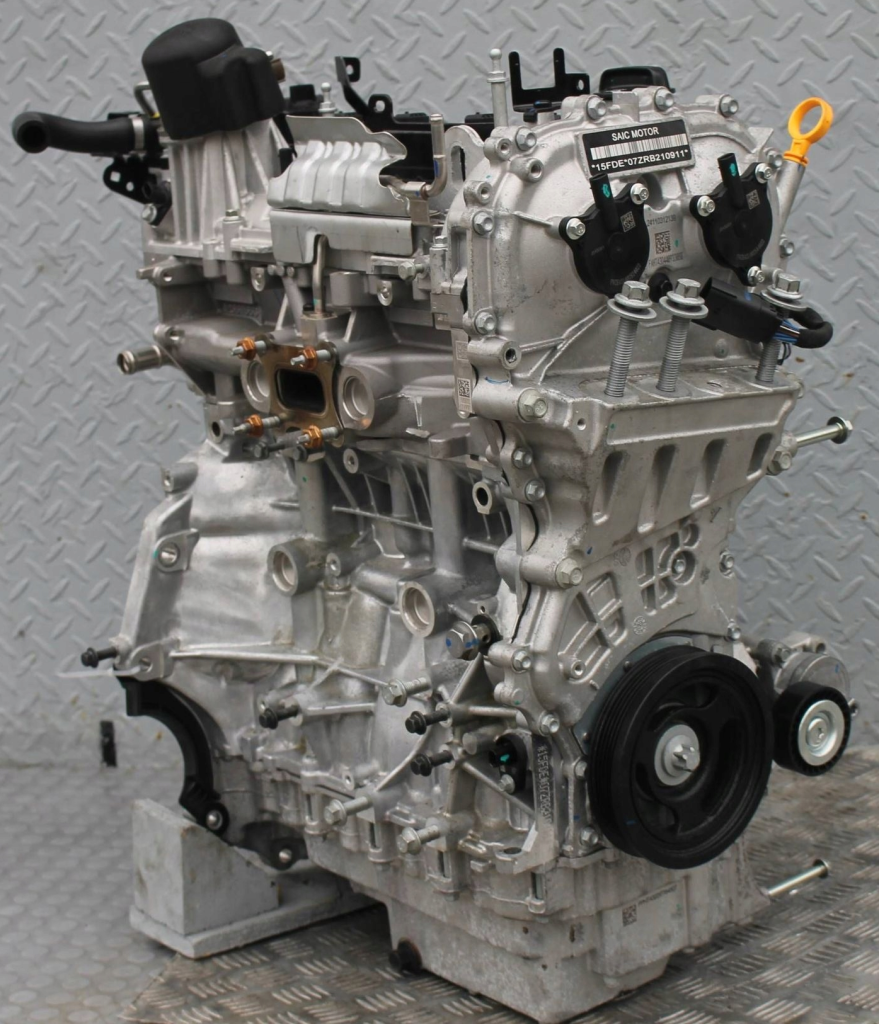
Engineered with an all-aluminum construction for both the cylinder block and cylinder head, the 15FDE benefits from reduced weight and improved heat dissipation. It features a Double Overhead Camshaft (DOHC) valvetrain with 16 valves and Variable Valve Timing (VVT) on both intake and exhaust camshafts to optimize combustion across the RPM range. Fuel delivery is managed by a Gasoline Direct Injection (GDI) system, complemented by a single-scroll turbocharger with an intercooler, enhancing power output and torque delivery from low engine speeds.
This specific engine variant has been widely deployed across various MG models since its introduction. Notable applications include the MG ZS (in specific turbocharged trims), the MG HS, and the MG 5 sedan. Its versatility allows it to power a range of vehicles, from compact SUVs to C-segment sedans, primarily in Asian, Oceanian, and European markets, making it a cornerstone of MG’s modern powertrain offerings.
Technical Specifications
| Displacement | 1498 cc |
| Max Power | 169 hp (125 kW) @ 5600 RPM |
| Max Torque | 250 Nm (25.5 kg*m) @ 1700-4400 RPM |
| Fuel Type | Unleaded Gasoline (min RON 95 recommended) |
| Fuel Consumption (Combined Cycle) | Approximately 6.8 – 7.5 l/100 km (vehicle dependent) |
| Engine Type | Inline 4-cylinder, DOHC, Turbocharged, GDI |
| Compression Ratio | 10.0:1 |
| Cylinder Bore | 74.0 mm |
| Piston Stroke | 86.6 mm |
| Valvetrain | DOHC, 16-valve, Variable Valve Timing (VVT) |
| Valves per Cylinder | 4 |
| Additional Info | Turbocharged, Intercooled, Gasoline Direct Injection (GDI) |
Common Problems & Reliability
The MG 15FDE, typical of modern turbocharged Gasoline Direct Injection (GDI) engines, exhibits a few specific characteristics and potential long-term issues that require attention. One primary concern is carbon buildup on the intake valves. As fuel is injected directly into the combustion chamber rather than over the intake valves, detergents in gasoline do not clean the valve stems, leading to carbon deposits over time. This can restrict airflow and reduce engine efficiency and power. Remedial action typically involves walnut blasting or chemical cleaning of the intake ports.
Another area for consideration is the turbocharger system. While generally robust, high mileage or inadequate oil changes can lead to premature wear of the turbocharger bearings or wastegate components due to heat and high rotational speeds. Monitoring for excessive oil consumption or unusual noises is advisable. Furthermore, GDI engines can be susceptible to oil dilution, where small amounts of fuel bypass piston rings and mix with the engine oil, potentially degrading oil quality and lubrication effectiveness, especially in vehicles frequently used for short trips. Regular oil analysis or more frequent oil changes can mitigate this.
Under diligent maintenance and proper care, the MG 15FDE engine typically demonstrates a realistic service life of 200,000 to 250,000 kilometers before potentially requiring major overhaul components such as piston rings or bearing replacements.
Maintenance Tips & Service Schedule
- Engine Oil & Filter: Adhere strictly to manufacturer-recommended synthetic engine oil specifications (e.g., 5W-30 or 0W-20, API SN/SP or ACEA C3 compliant). Change oil and filter every 8,000 to 10,000 kilometers or every 6-12 months, whichever comes first. Given the turbocharger and GDI nature, frequent oil changes are critical.
- Spark Plugs: Replace iridium or platinum-tipped spark plugs every 40,000 to 60,000 kilometers to ensure optimal combustion efficiency and prevent misfires, particularly important for GDI systems.
- Air Filter: Inspect the engine air filter at every service and replace it every 20,000 to 30,000 kilometers, or more frequently if operating in dusty conditions, to protect the turbocharger and maintain optimal air intake.
- Fuel Filter: The fuel filter is often integrated into the fuel pump module within the tank and designed for the life of the vehicle. However, replacement may be considered if fuel delivery issues arise.
- Coolant System: Flush and replace engine coolant every 3-5 years or 60,000 to 100,000 kilometers, using the manufacturer-specified long-life coolant, to maintain optimal engine temperature regulation.
- Timing Chain: The MG 15FDE utilizes a timing chain system, which is generally designed for the life of the engine and does not require periodic replacement. However, it should be inspected for excessive stretch or noise at high mileages (e.g., beyond 150,000 km).
- PCV System: Inspect the Positive Crankcase Ventilation (PCV) valve and associated hoses periodically for blockages or leaks, as a malfunctioning PCV system can contribute to carbon buildup and oil consumption.
Conclusion
The MG 15FDE engine presents itself as a robust and efficient choice within its class, offering competitive performance and modern technological features. For a used vehicle buyer, it can be considered a safe and reliable option, provided the vehicle has a verifiable service history indicating strict adherence to maintenance schedules. Prospective owners should prioritize regular, high-quality oil changes with suitable synthetic lubricants and be aware of the specific maintenance requirements associated with turbocharged GDI engines, such as monitoring for carbon buildup. With diligent care, the 15FDE engine is capable of providing many years of dependable service.