
Overview & Design Features
The Cadillac GM Multijet LSQ represents a sophisticated advancement in luxury diesel propulsion, developed by General Motors specifically for its Cadillac premium vehicle lineup. Introduced in the late 2010s, this 2997 cc (3.0L) V6 twin-turbocharged diesel engine marked Cadillac’s strategic move to offer high-torque, fuel-efficient powerplants in key global markets, particularly where diesel powertrains are favored. It combines robust engineering with advanced fuel delivery, aiming for a refined driving experience coupled with reduced emissions. The LSQ designation signifies a particular tuning and component set, emphasizing responsive performance and durability within the Multijet architecture, indicating a multi-pulse direct injection system.
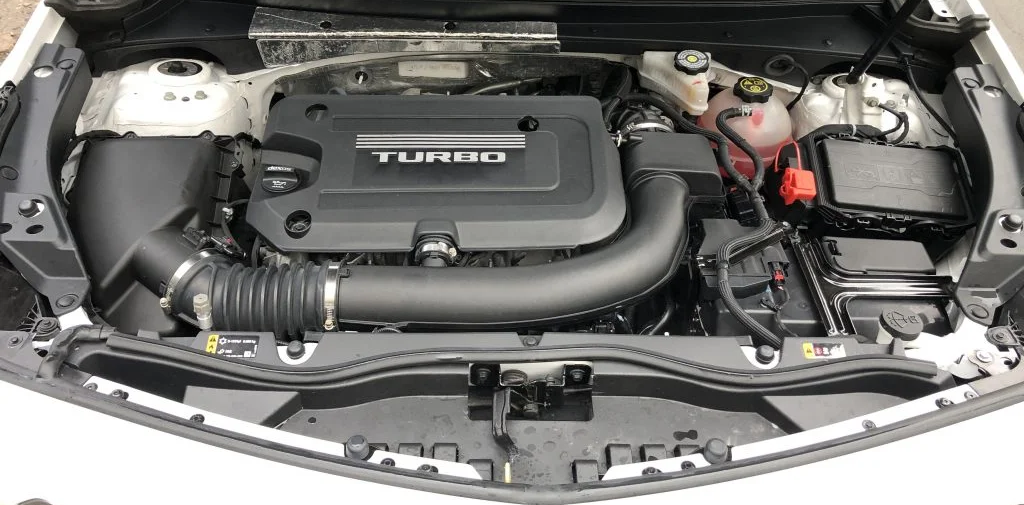
Engineering highlights of the Multijet LSQ include a lightweight yet durable aluminum alloy cylinder block and cylinder heads, designed for optimal heat dissipation and structural rigidity. The engine utilizes a common-rail direct injection system, capable of multiple, precisely timed fuel injections per combustion cycle, significantly enhancing combustion efficiency, reducing noise, and minimizing particulate emissions. This multi-injection strategy is central to its “Multijet” designation. A dual overhead camshaft (DOHC) valvetrain with four valves per cylinder ensures precise airflow control, while a variable geometry twin-turbocharger setup provides broad torque delivery across the RPM range and mitigates turbo lag. Internally, forged steel connecting rods and a robust crankshaft contribute to its high-performance potential and long-term reliability.
The Cadillac GM Multijet LSQ engine was primarily deployed across Cadillac’s larger luxury vehicles, targeting discerning buyers seeking a blend of power, efficiency, and sophisticated driving dynamics. It made its debut in select trims of the Cadillac CT6 sedan from 2018 to 2020. Subsequently, it was integrated into the XT6 and Escalade SUV models, particularly for the 2019-2023 model years, in markets where diesel options were strategically offered. Its application focused on premium models where its torque characteristics were highly valued for towing and highway cruising, underpinning Cadillac’s commitment to diverse powertrain solutions.
Technical Specifications
| Displacement (cc) | 2997 |
| Max Power (hp (kW) @ RPM) | 310 (231) @ 3750 |
| Max Torque (Nm (kg*m) @ RPM) | 650 (66.3) @ 1750-2500 |
| Fuel Type | Diesel |
| Fuel Consumption (l/100 km) | 8.2 (Combined Cycle) |
| Engine Type | V6 Twin-Turbocharged Diesel |
| Compression Ratio | 16.0:1 |
| Cylinder Bore (mm) | 84.0 |
| Piston Stroke (mm) | 90.0 |
| Valvetrain | DOHC, 4 Valves per Cylinder |
| Valves per Cylinder | 4 |
| Additional Info | Common-rail direct injection, Variable Geometry Twin-Turbochargers, Balance Shafts, Diesel Particulate Filter (DPF), Selective Catalytic Reduction (SCR) |
Common Problems & Reliability
While the GM Multijet LSQ engine is generally robust, specific issues have been noted. Carbon buildup on intake valves and EGR system components is a common concern for modern direct-injection diesel engines, potentially leading to reduced performance and efficiency over time. Regular highway driving can mitigate this, but frequent short trips exacerbate the issue. Another area of attention is the Diesel Particulate Filter (DPF) system. Failures or blockages can occur, particularly in vehicles primarily used for urban driving where the DPF regeneration cycle may not complete. Adherence to manufacturer-specified DPF regeneration procedures and proper maintenance is crucial.
Additionally, issues with high-pressure fuel injectors or the common-rail system can arise at higher mileages, manifesting as misfires, rough idling, or reduced fuel economy. Such components operate under extreme pressure and are sensitive to fuel quality. The timing chain system is generally reliable, but wear on tensioners and guides can lead to stretch, typically beyond 150,000-200,000 kilometers, requiring inspection and potential replacement to prevent catastrophic engine damage. With diligent maintenance, the Multijet LSQ engine can reliably exceed 250,000 kilometers (approximately 155,000 miles) before requiring significant overhaul, with many units exceeding 300,000 kilometers.
Maintenance Tips & Service Schedule
- Engine Oil: Synthetic 5W-30 engine oil meeting API CK-4 or ACEA C3 specifications is critical. Change intervals should be strictly adhered to every 8,000 to 12,000 kilometers (5,000-7,500 miles) or every 6-12 months, whichever comes first, especially under severe driving conditions.
- Oil Filter: Replace with every oil change.
- Fuel Filter: Essential for protecting the high-pressure fuel system. Replace every 30,000 to 60,000 kilometers (20,000-40,000 miles), or more frequently if operating in dusty environments or with questionable fuel quality.
- Air Filter: Inspect at every service and replace every 30,000 to 60,000 kilometers, or as needed based on driving conditions.
- Coolant Flush: Perform a coolant system flush and refill every 5 years or 100,000 kilometers (60,000 miles) using an approved long-life OAT (Organic Acid Technology) coolant.
- Timing Chain: While designed for the life of the engine, it is advisable to have the timing chain, tensioners, and guides inspected at around 150,000 kilometers (90,000 miles). Listen for rattling or excessive noise, which may indicate wear.
- DPF Maintenance: Ensure regular highway driving to allow for passive and active DPF regeneration cycles. If primarily driven in urban conditions, periodic forced regenerations at a dealership may be necessary.
- AdBlue/DEF: Maintain proper Diesel Exhaust Fluid (DEF/AdBlue) levels as required by the SCR system for emissions control. Refill as indicated by the vehicle’s warning system.
Conclusion
The Cadillac GM Multijet LSQ engine represents a potent and generally reliable diesel option for a used vehicle buyer, offering impressive torque, good fuel economy for its class, and a refined driving experience. Its advanced engineering, including common-rail multi-injection and twin-turbocharging, contributes to its performance credentials. However, prospective buyers must understand the specific maintenance requirements of modern diesel engines. Diligent adherence to strict service schedules, particularly concerning oil quality, fuel filter replacement, and DPF maintenance, is paramount for long-term reliability. With a documented service history and proper care, vehicles equipped with the Multijet LSQ can provide many years and kilometers of dependable, powerful, and efficient operation, making it a viable choice for enthusiasts who prioritize diesel performance and economy.