
Overview & Design Features
The GM HT 4.5 engine is a naturally aspirated 90-degree V8 engine developed by General Motors specifically for its Cadillac luxury brand. Introduced in 1988 as a successor to the problematic HT 4100, the HT (High Technology) 4.5 represented a significant engineering effort to rectify the reliability issues of its predecessor while boosting displacement, horsepower, and torque. Manufactured at the GM Livonia Engine plant in Michigan, this powerplant served as a transitionary but crucial bridge in Cadillac’s powertrain history, powering front-wheel-drive luxury platforms before the arrival of the 4.9-liter V8 and the dual overhead cam Northstar engine family.
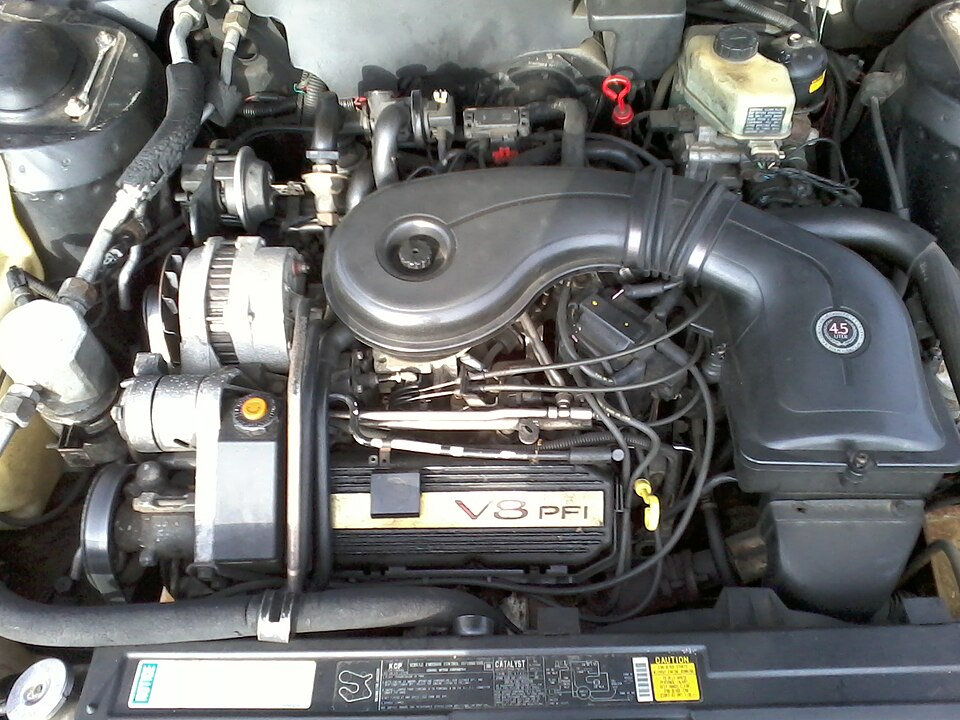
In terms of physical architecture, the HT 4.5 features an innovative but complex hybrid material construction. It utilizes a lightweight die-cast aluminum cylinder block paired with heavy-duty cast-iron cylinder heads and wet iron cylinder liners. This combination minimized overall engine weight but introduced thermal expansion challenges. The valvetrain uses a traditional overhead valve (OHV) pushrod design with two valves per cylinder, driven by a chain-operated camshaft. Fuel delivery evolved during its short production run, moving from dual-barrel Throttle Body Injection (TBI) on base models to a more advanced multi-port Port Fuel Injection (PFI) system on premium trims, which significantly optimized throttle response and fuel atomization.
The HT 4.5 engine was officially deployed from 1988 through 1990 across Cadillac’s premium lineup. Primary models equipped with this V8 included the Cadillac DeVille, Cadillac Fleetwood, Cadillac Eldorado, and Cadillac Seville. Additionally, a specialized high-output version featuring sequential port fuel injection (SPFI) was utilized in the Pininfarina-bodied Cadillac Allanté roadster from 1989 to 1992, showcasing the peak performance capability of this displacement class.
Technical Specifications
| Displacement (cc) | 4,467 cc |
| Max Power (hp (kW) @ RPM) | 155 – 180 hp (116 – 134 kW) @ 4,000 – 4,300 RPM |
| Max Torque (Nm (kg*m) @ RPM) | 325 – 332 Nm (33.1 – 33.8 kg*m) @ 2,400 – 3,000 RPM |
| Fuel Type | Gasoline |
| Fuel Consumption (l/100 km) | Approx. 11.5 – 13.5 l/100 km (combined average) |
| Engine Type | V8, 90-degree, OHV |
| Compression Ratio | 9.0:1 |
| Cylinder Bore (mm) | 92 mm |
| Piston Stroke (mm) | 84 mm |
| Valvetrain | OHV (Overhead Valve, Pushrod) |
| Valves per Cylinder | 2 |
| Additional Info | Transverse layout, aluminum block with cast-iron wet liners and heads |
Common Problems & Reliability
While the HT 4.5 was far more reliable than the fragile HT 4100, it still possesses specific mechanical weak points inherited from its design layout. The most critical issue stems from the bi-metal construction. Because the aluminum block and cast-iron cylinder heads expand and contract at different rates during thermal cycles, head gasket failures are common over time. Additionally, coolant can leak into the crankcase if the wet cylinder liner seals degrade, leading to severe internal engine damage. Another typical issue is the clogging of the Exhaust Gas Recircirculation (EGR) tubes, which causes engine pinging, rough idling, and hesitation under load.
Despite these concerns, when properly maintained with cooling system additives, the HT 4.5 is a durable engine. A realistic expected service life before requiring a major overhaul is between 150,000 and 200,000 miles (approximately 240,000 to 320,000 kilometers). Extreme high-mileage examples exist, but they require strict adherence to cooling system maintenance to prevent thermal stress.
Maintenance Tips & Service Schedule
To maximize the longevity of the HT 4.5 engine, specific preventative maintenance steps must be strictly followed. The cooling system is the most sensitive component of this engine. It requires a complete flush and refill every 24 months or 30,000 miles. Engineers strongly recommend adding GM-approved cooling system sealing tabs during every coolant change to protect the wet cylinder liners and prevent internal coolant migration into the engine oil.
- Oil Service: Use high-quality 10W-30 conventional or synthetic motor oil. Change the oil and filter every 3,000 to 5,000 miles to prevent sludge buildup.
- Spark Plugs: Replace the standard copper spark plugs every 30,000 miles to maintain optimal combustion efficiency.
- Timing Chain: The timing chain is highly robust but should be inspected for slack around 120,000 miles.
- EGR System: Clean the EGR passages in the throttle body or intake manifold every 50,000 miles to prevent carbon blockage.
Conclusion
In conclusion, the Cadillac GM HT 4.5 engine is a respectable classic powerplant that represents a massive reliability leap over its predecessor. For a used vehicle buyer, it is a moderately safe choice, provided there is documented proof of regular cooling system flushes and no history of overheating. Buyers should conduct a combustion leak test on the cooling system prior to purchase to ensure the head gaskets and cylinder liner seals remain intact.