
Overview & Design Features
The Cadillac LC3 is a 4.4-liter (4371 cc) supercharged, dual overhead camshaft (DOHC) V8 engine, a high-performance variant derived from the acclaimed Northstar engine family. Manufactured by General Motors and predominantly featured in Cadillac’s performance-oriented V-Series vehicles, the LC3 represents a significant engineering achievement in American luxury performance during its production era. Introduced in the mid-2000s, this engine was designed to deliver robust power and torque, establishing Cadillac’s competitive stance against European performance marques.
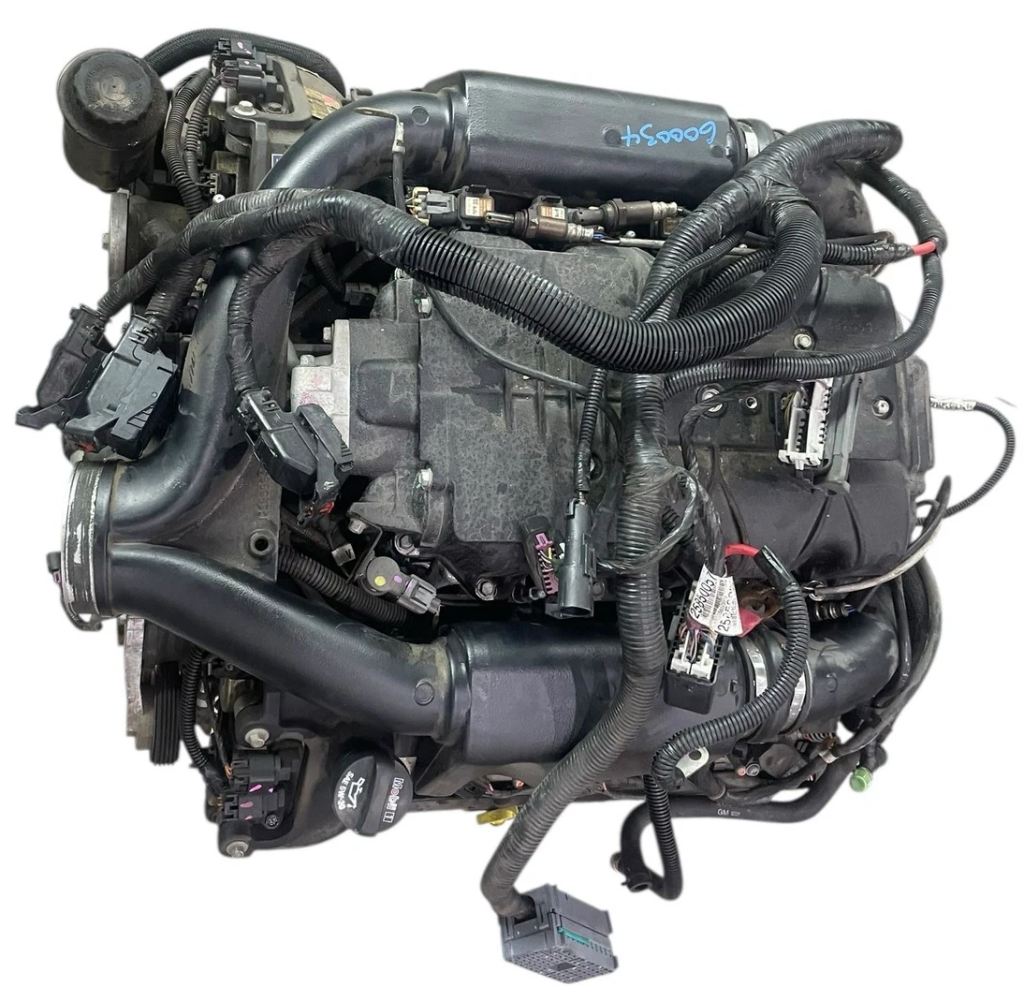
At its core, the LC3 engine features an all-aluminum construction for both its cylinder block and cylinder heads, ensuring optimal strength-to-weight ratio and efficient heat dissipation. A key characteristic is the use of sequential multi-port fuel injection (MPFI) combined with a Roots-type Eaton M122H supercharger. This forced induction system is intercooled to manage intake air temperatures, maximizing power output. Variable Valve Timing (VVT) on both intake and exhaust camshafts further enhances combustion efficiency, throttle response, and broadens the torque curve across the RPM range.
The LC3 engine was primarily deployed in two specific Cadillac V-Series models. It powered the 2006-2009 Cadillac STS-V, where it contributed to the luxury sport sedan’s formidable performance capabilities. Additionally, the engine found its home in the 2006-2009 Cadillac XLR-V, the supercharged roadster variant, providing exhilarating acceleration and a refined driving experience. These applications showcased the LC3 as a flagship performance engine for Cadillac.
Technical Specifications
| Displacement (cc) | 4371 cc (4.4L) |
| Max Power (hp (kW) @ RPM) | 469 hp (345 kW) @ 6400 RPM (STS-V) |
| Max Torque (Nm (kg*m) @ RPM) | 595 Nm (60.7 kg*m) @ 3900 RPM (STS-V) |
| Fuel Type | Premium Unleaded (91+ Octane Recommended) |
| Fuel Consumption (l/100 km) | Approx. 12.4 – 18.1 l/100 km (Combined City/Highway averages for STS-V) |
| Engine Type | Supercharged DOHC V8 |
| Compression Ratio | 9.0:1 |
| Cylinder Bore (mm) | 91.0 mm |
| Piston Stroke (mm) | 84.0 mm |
| Valvetrain | DOHC with Variable Valve Timing (VVT) |
| Valves per Cylinder | 4 (32 valves total) |
| Additional Info | Aluminum block and heads, Eaton M122H Roots-type supercharger, intercooled. |
Common Problems & Reliability
While the LC3 improved upon earlier naturally aspirated Northstar designs, several areas warrant attention for long-term reliability. A common concern for these high-performance, supercharged engines involves the supercharger coupler and bearings. Over time and high mileage, wear can lead to increased noise (a rattling sound from the front of the engine) and potentially reduced supercharger efficiency. Another recurring issue is oil consumption; although less prevalent than in early Northstar iterations, some LC3 engines may exhibit higher than average oil use, often attributed to piston ring wear or PCV system issues. Lastly, the sophisticated cooling system, crucial for a supercharged engine, can develop coolant leaks from hoses, expansion tanks, or the water pump housing, particularly with age and thermal cycling. Proactive inspection of these components is vital.
Under proper and diligent maintenance, including regular oil changes with specified synthetic lubricants and addressing minor issues promptly, the Cadillac LC3 engine can achieve a respectable service life of 150,000 to 200,000 miles before requiring major overhaul. Neglect of cooling system integrity or supercharger health can significantly reduce this lifespan.
Maintenance Tips & Service Schedule
- Engine Oil: Utilize a high-quality full synthetic 5W-30 engine oil. Oil and filter changes are recommended every 5,000 to 7,500 miles or every 6 months, whichever comes first, especially given the engine’s supercharged nature and high operating temperatures.
- Spark Plugs: Replace iridium-tipped spark plugs every 60,000 to 75,000 miles. Strict adherence to torque specifications is crucial to prevent damage to the aluminum cylinder heads.
- Coolant System: Perform a complete coolant flush and refill with DEX-COOL compatible coolant every 5 years or 100,000 miles. Regularly inspect all coolant hoses, the radiator, and the overflow tank for any signs of leaks or deterioration.
- Timing System: The LC3 employs a timing chain system designed for the life of the engine. However, inspection of the timing chain guides and tensioners should be considered during major engine services, particularly if any rattling noises are present.
- Supercharger Service: Periodically inspect the supercharger drive belt for wear and proper tension. While the Eaton M122H supercharger’s internal oil is often considered “sealed for life,” listening for unusual noises from the supercharger snout or rotors can indicate a need for professional inspection or refurbishment.
- Air Filters: Replace engine air filter every 15,000 to 30,000 miles, more frequently in dusty conditions, to ensure optimal airflow to the supercharger.
Conclusion
The Cadillac LC3 engine offers an exhilarating blend of performance and luxury, representing a powerful chapter in Cadillac’s engineering history. For a used vehicle buyer, the LC3 can be a rewarding choice, providing potent V8 power and a unique driving experience. However, this engine demands diligent and consistent maintenance, particularly concerning its supercharger and cooling system, to ensure long-term reliability. Prospective buyers should prioritize vehicles with comprehensive service records and consider a thorough pre-purchase inspection by a specialist familiar with supercharged Northstar engines. With proper care, the LC3 remains a compelling, high-performance engine.