
Overview & Design Features
The Cadillac LFA is a sophisticated 3.6-liter (3564 cc) V6 gasoline engine, part of General Motors’ renowned High Feature (HF) V6 engine family. Introduced during the 2013 model year, the LFA variant was engineered to deliver a balance of performance, refinement, and efficiency. Its design incorporates advanced technologies, positioning it as a key power unit for Cadillac’s premium compact and mid-size offerings during its production run. The engine’s configuration, a 60-degree V6, is inherently balanced, contributing to its smooth operation.
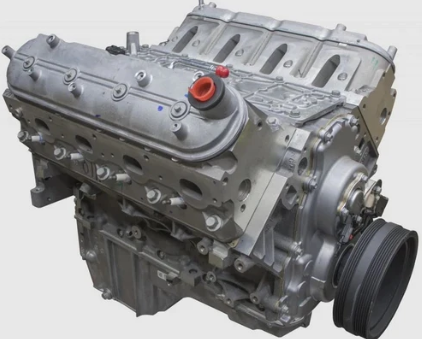
Core engineering features of the LFA include an all-aluminum cylinder block and cylinder heads, optimizing weight and thermal management. It employs Spark Ignition Direct Injection (SIDI), which precisely delivers fuel directly into the combustion chambers, enhancing fuel economy and power output compared to port-injected predecessors. The valvetrain features Dual Overhead Camshafts (DOHC) with four valves per cylinder, complemented by continuously Variable Valve Timing (VVT) on both intake and exhaust camshafts. This VVT system dynamically adjusts valve overlap for optimal performance and emissions across the entire RPM range. Integrated exhaust manifolds into the cylinder heads further reduce weight and improve engine warm-up efficiency.
The Cadillac LFA engine was predominantly deployed in the following Cadillac models and their respective production years: Cadillac ATS (2013-2019), where it served as the primary naturally aspirated V6 option, and the Cadillac CTS (2014-2019), fulfilling a similar role alongside turbocharged and V8 alternatives. It powered various trims within these model lines, providing a strong performance baseline.
Technical Specifications
| Specification | Value |
|---|---|
| Displacement (cc) | 3564 |
| Max Power (hp (kW) @ RPM) | 321 hp (239 kW) @ 6800 RPM |
| Max Torque (Nm (kg*m) @ RPM) | 373 Nm (38.0 kg*m) @ 4800 RPM |
| Fuel Type | Premium Unleaded (91+ RON recommended) |
| Fuel Consumption (l/100 km) | ~9.8 (Combined, varies by vehicle application) |
| Engine Type | V6, DOHC, Direct Injection |
| Compression Ratio | 11.5:1 |
| Cylinder Bore (mm) | 94 |
| Piston Stroke (mm) | 85.6 |
| Valvetrain | DOHC, VVT (Intake & Exhaust) |
| Valves per Cylinder | 4 |
| Additional Info | Spark Ignition Direct Injection (SIDI), Integrated Exhaust Manifolds |
Common Problems & Reliability
- Carbon Buildup: As with many direct-injection engines, the LFA is susceptible to carbon buildup on the intake valves. Without the fuel washing over the intake valves, carbonized oil vapors can accumulate, leading to reduced airflow, misfires, and decreased performance over time. Regular fuel system cleaning and oil change intervals are crucial.
- Timing Chain Wear: While later iterations of the High Feature V6, including the LFA, utilized improved timing chain designs, premature wear can still occur if oil change intervals are neglected or low-quality oil is used. Symptoms include rattling noises, especially on cold starts, and can lead to costly repairs if unaddressed.
- High-Pressure Fuel Pump (HPFP) Issues: The LFA’s direct injection system relies on a high-pressure fuel pump, which can be a point of failure. Symptoms include rough idling, hesitation under acceleration, or a distinct ticking noise from the engine bay.
Under diligent maintenance, including regular oil changes with specified lubricants and adherence to service schedules, the Cadillac LFA engine can realistically achieve a service life exceeding 200,000 miles (approximately 320,000 km) before requiring a major overhaul.
Maintenance Tips & Service Schedule
- Oil Changes: Engine oil should be changed every 7,500 to 10,000 miles (12,000 to 16,000 km) or annually, whichever comes first, using a full synthetic 5W-30 motor oil that meets dexos1 Gen 2 specifications. Consistent use of high-quality oil is paramount for timing chain longevity and direct injection system health.
- Spark Plugs: Replace iridium spark plugs typically every 60,000 to 100,000 miles (96,000 to 160,000 km).
- Coolant Flushes: The cooling system should be flushed and refilled with Dex-Cool extended-life coolant every 5 years or 100,000 miles (160,000 km).
- Fuel System Cleaning: To mitigate carbon buildup, consider periodic fuel system cleaning services or the use of top-tier gasoline and direct-injection-specific fuel additives every 15,000 to 30,000 miles (24,000 to 48,000 km).
- Timing Chain Inspection: While not a scheduled replacement, vigilance for unusual engine noises, particularly rattling from the front of the engine, warrants immediate inspection of the timing chain components.
Conclusion
The Cadillac LFA engine is a technologically advanced and generally robust V6 powerplant, offering strong performance and respectable efficiency for its class. For a used vehicle buyer, it represents a safe and reliable choice, provided the vehicle has a documented history of consistent and proper maintenance. Awareness of potential carbon buildup and the importance of timely, high-quality oil changes is key to maximizing its longevity and mitigating common direct-injection related issues. A pre-purchase inspection by a qualified mechanic is always recommended to assess the engine’s overall condition, particularly regarding timing chain health and direct injection system performance.