
Overview & Design Features
The Cadillac LFW engine represents a significant naturally aspirated V6 power unit within General Motors’ LFx engine family, specifically designed for premium Cadillac vehicles. Introduced in the early 2010s, this 3.0-liter (2997 cc) engine was engineered to deliver a balance of performance and efficiency suitable for luxury sedans and crossover SUVs. It is a direct evolution of GM’s High Feature V6 architecture, showcasing advancements in fuel delivery and emissions control over its predecessors, marking its historical significance as a workhorse in Cadillac’s lineup during its production era.
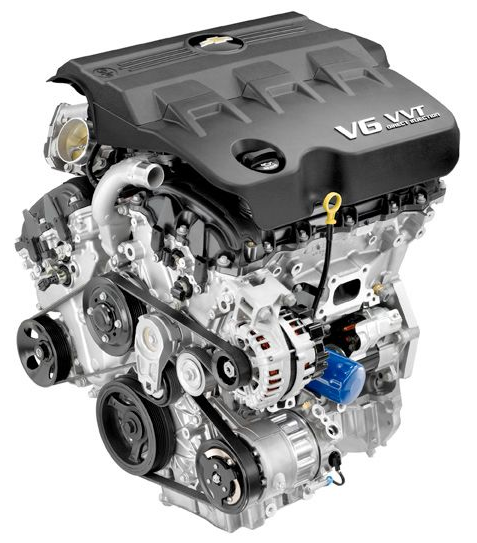
At its core, the LFW engine features an all-aluminum construction, comprising a lightweight yet robust aluminum cylinder block with cast-in-place iron liners and aluminum cylinder heads. This design choice contributes to optimal weight distribution and thermal management. A key engineering highlight is its direct fuel injection (DI) system, which precisely atomizes fuel directly into the combustion chambers for improved power output, fuel economy, and reduced emissions compared to traditional port injection. The engine also incorporates Dual Overhead Camshafts (DOHC) with four valves per cylinder and advanced Variable Valve Timing (VVT) on both intake and exhaust camshafts, optimizing valve overlap for enhanced low-end torque and high-end horsepower across the RPM range. A composite intake manifold further aids in weight reduction and thermal efficiency, while an electronic throttle control provides precise engine response.
The Cadillac LFW engine saw deployment primarily in Cadillac’s luxury utility and sedan offerings. It was prominently featured in the 2010-2011 Cadillac SRX crossover, where it served as the base engine option. Additionally, this engine powered certain versions of the 2013-2015 Cadillac XTS sedan, typically in front-wheel-drive configurations before the introduction of more powerful options. Its application targeted discerning buyers seeking refined performance and economy in their premium vehicles.
Technical Specifications
| Specification | Value |
|---|---|
| Displacement (cc) | 2997 |
| Max Power (hp (kW) @ RPM) | 265 hp (198 kW) @ 6900 RPM |
| Max Torque (Nm (kg*m) @ RPM) | 302 Nm (30.8 kg*m) @ 5100 RPM |
| Fuel Type | Premium Unleaded (Recommended) |
| Fuel Consumption (l/100 km) | ~11.5 – 13.0 (Combined, Varies by Vehicle) |
| Engine Type | Naturally Aspirated V6, DOHC |
| Compression Ratio | 11.7:1 |
| Cylinder Bore (mm) | 89.0 |
| Piston Stroke (mm) | 80.0 |
| Valvetrain | DOHC, VVT |
| Valves per Cylinder | 4 |
| Additional Info | Direct Injection, All-Aluminum Construction, Electronic Throttle Control |
Common Problems & Reliability
While generally considered a robust engine, the Cadillac LFW exhibits a few specific mechanical concerns common to direct-injection V6 engines. The primary issue encountered is carbon buildup on the intake valves. Due to the direct injection system spraying fuel directly into the cylinders, the intake valves are not regularly washed by fuel, leading to deposits from crankcase ventilation gases. This can cause reduced airflow, misfires, rough idle, and decreased performance over time, typically manifesting after 60,000-80,000 miles. Corrective action often involves walnut blasting or chemical cleaning.
Another area requiring attention is the timing chain system. While designed for the life of the engine, extended oil change intervals or use of non-specified oil can accelerate wear on the timing chains and tensioners. Symptoms include a noticeable rattle or whine, especially on cold starts, and can lead to check engine lights related to camshaft correlation. Proactive replacement of timing components, while costly, is critical to prevent catastrophic engine damage. Less commonly, but still reported, are instances of valve cover oil leaks and minor coolant leaks from plastic components due to age and heat cycling.
With diligent adherence to maintenance schedules and addressing known issues, the Cadillac LFW engine can achieve a realistic expected service life of 200,000 to 250,000 miles (320,000 to 400,000 km) before requiring a major overhaul. Longevity is heavily dependent on the owner’s commitment to regular, high-quality maintenance.
Maintenance Tips & Service Schedule
Proper maintenance is paramount for the Cadillac LFW engine’s longevity and performance. Adhering to manufacturer-recommended intervals and fluid specifications is critical. An oil change should be performed using Dexos-approved full synthetic 5W-30 motor oil every 5,000 to 7,500 miles (8,000 to 12,000 km) or when indicated by the vehicle’s Oil Life Monitoring system, whichever comes first. Frequent oil changes are particularly beneficial for mitigating timing chain wear and carbon buildup.
Spark plugs (iridium-tipped) are typically recommended for replacement every 60,000 to 100,000 miles (100,000 to 160,000 km). Inspecting and potentially replacing the air filter every 15,000 to 30,000 miles (24,000 to 48,000 km) ensures optimal air intake. The engine’s timing chain is designed for extended life; however, it should be audibly inspected at high mileage (e.g., 100,000+ miles) and replaced only if noise or diagnostic trouble codes indicate wear. A complete coolant flush and refill with Dex-Cool coolant is recommended every 5 years or 100,000 miles (160,000 km).
To combat carbon buildup associated with direct injection, periodic use of a high-quality fuel system cleaner formulated for direct injection engines is advisable, though not a substitute for mechanical cleaning if significant deposits have formed. Regular visual inspections for fluid leaks, especially around valve covers and coolant hoses, can prevent minor issues from escalating.
Conclusion
The Cadillac LFW engine, when properly maintained, represents a dependable and capable power unit for a used vehicle buyer. Its direct injection technology provides a good balance of power and efficiency, making it a suitable choice for those seeking a premium driving experience without excessive fuel consumption. While potential issues like carbon buildup and timing chain wear exist, these are often manageable with diligent preventative maintenance and early intervention. For a used vehicle buyer, an LFW-equipped Cadillac can be a safe and reliable choice, provided a comprehensive pre-purchase inspection confirms a history of consistent service and no current signs of these common, albeit addressable, mechanical issues.