
Overview & Design Features
The Cadillac LFX is a 3.6-liter (3564cc) naturally aspirated V6 gasoline engine, a prominent member of General Motors’ High Feature V6 engine family. Introduced in 2012, it succeeded the LLT engine, representing an evolution in powertrain technology for Cadillac and other GM divisions. This engine was engineered to deliver a compelling blend of power, refinement, and efficiency, becoming a cornerstone for a range of luxury sedans, crossovers, and performance vehicles during its production run.
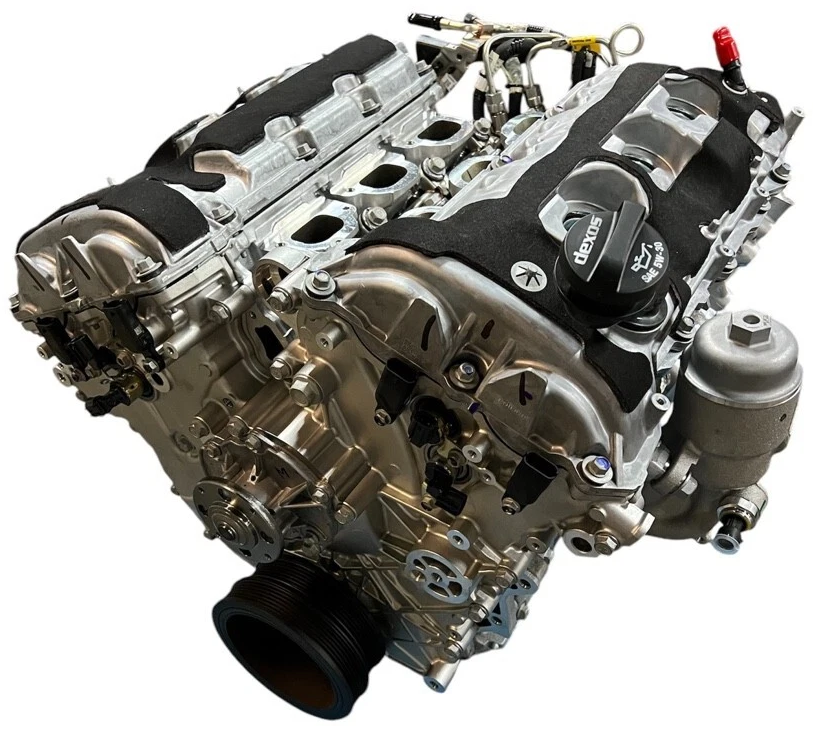
Constructed with a lightweight aluminum cylinder block and heads, the LFX utilizes a 60-degree V-angle configuration. Its advanced design incorporates direct fuel injection (DI) for precise fuel delivery and improved combustion efficiency. Key valvetrain technologies include dual overhead camshafts (DOHC) with four valves per cylinder and continuously variable valve timing (CVVT) on both intake and exhaust camshafts. This system optimizes valve overlap and lift across the RPM range, contributing to enhanced power output, fuel economy, and reduced emissions.
The LFX engine found widespread application across Cadillac’s portfolio, including the Cadillac ATS (2013-2016), Cadillac CTS (2012-2015), Cadillac XTS (2013-2017), and Cadillac SRX (2012-2016). Beyond Cadillac, it powered vehicles such as the Chevrolet Camaro, Chevrolet Impala, Buick LaCrosse, and GMC Acadia, demonstrating its versatility and robust performance characteristics across diverse market segments.
Technical Specifications
| Specification | Value |
|---|---|
| Displacement (cc) | 3564 |
| Max Power (hp (kW) @ RPM) | 318 hp (237 kW) @ 6800 RPM |
| Max Torque (Nm (kg*m) @ RPM) | 373 Nm (38 kg*m) @ 4800 RPM |
| Fuel Type | Unleaded Gasoline (91+ RON recommended) |
| Fuel Consumption (l/100 km) | Approx. 9.8-10.2 (combined cycle, varies by application) |
| Engine Type | Naturally Aspirated V6 |
| Compression Ratio | 11.5:1 |
| Cylinder Bore (mm) | 94.0 |
| Piston Stroke (mm) | 85.6 |
| Valvetrain | DOHC, 4 valves per cylinder, CVVT |
| Valves per Cylinder | 4 |
| Additional Info | Direct Injection, Aluminum Block and Heads |
Common Problems & Reliability
- Timing Chain Wear: While improved over its LLT predecessor, premature wear of the timing chains remains a potential concern, particularly in engines where oil change intervals have been neglected or extended beyond manufacturer recommendations. Symptoms include rattling noises, especially on cold start, and may lead to check engine lights due to camshaft position sensor discrepancies. Replacement is a significant repair due to the labor involved.
- Carbon Buildup on Intake Valves: As a direct injection engine, the LFX is susceptible to carbon deposits forming on the intake valves. This occurs because fuel is injected directly into the combustion chamber, bypassing the intake valves, which are not continuously cleaned by fuel spray. Over time, excessive buildup can restrict airflow, leading to reduced performance, misfires, rough idle, and decreased fuel efficiency.
- Water Pump Leaks: Reports of water pump failures, typically presenting as coolant leaks from the weep hole or around the pump housing, are not uncommon. While not a catastrophic failure, it requires timely replacement to prevent engine overheating and potential damage.
With diligent maintenance, including regular oil changes with appropriate viscosity, the Cadillac LFX engine can reliably exceed 200,000 miles (320,000 km) before requiring major internal overhauls. The longevity is highly dependent on adhering to recommended service schedules and addressing minor issues promptly.
Maintenance Tips & Service Schedule
- Engine Oil: Utilize a high-quality, full synthetic engine oil meeting Dexos1 Gen2 specifications (typically 5W-30 viscosity). Adhere strictly to the Oil Life Monitoring (OLM) system, which generally recommends intervals between 7,500 and 10,000 miles (12,000-16,000 km), or annually, whichever comes first. Frequent oil changes are paramount for preventing timing chain wear.
- Spark Plugs: Replace iridium-tipped spark plugs every 100,000 miles (160,000 km) or as specified by the manufacturer’s maintenance schedule.
- Coolant Flush: Perform a cooling system flush and refill with Dex-Cool antifreeze every 5 years or 100,000 miles (160,000 km).
- PCV System Inspection: Periodically inspect the Positive Crankcase Ventilation (PCV) system for proper function and potential blockages, which can exacerbate carbon buildup issues. Consider using top-tier gasoline and periodic fuel system cleaners to help mitigate carbon accumulation.
- Drive Belt and Tensioner: Inspect the serpentine drive belt and its tensioner for wear and proper operation every 50,000 miles (80,000 km) and replace as needed, typically around 100,000 miles (160,000 km).
- Timing Chain Monitoring: While not a scheduled replacement item, listen for any unusual rattling noises from the engine, especially during cold starts. Early detection of timing chain wear can prevent more extensive engine damage.
Conclusion
The Cadillac LFX engine stands as a robust and refined powertrain choice within the luxury and performance segments. Its advanced direct injection and variable valve timing technologies contribute to impressive power output and reasonable efficiency. For a used vehicle buyer, an LFX-equipped car represents a generally reliable option, provided the vehicle has a documented history of consistent and proper maintenance, particularly concerning oil changes. Prospective buyers should prioritize pre-purchase inspections to identify any signs of timing chain noise or carbon buildup, as these can lead to significant repair costs. With proactive care, the LFX engine offers a dependable and engaging driving experience.