
Overview & Design Features
The Cadillac LLT is a naturally aspirated 3.6-liter (3564 cc) V6 engine, a significant member of General Motors’ High Feature V6 engine family. Introduced in 2008, the LLT marked a pivotal advancement by incorporating Gasoline Direct Injection (GDI) technology, enhancing both power output and fuel efficiency over its predecessors. This engine represented GM’s commitment to modern powertrain solutions, particularly for its premium Cadillac brand and other large crossover vehicles, establishing a new benchmark for performance and refinement in its class during its production era.
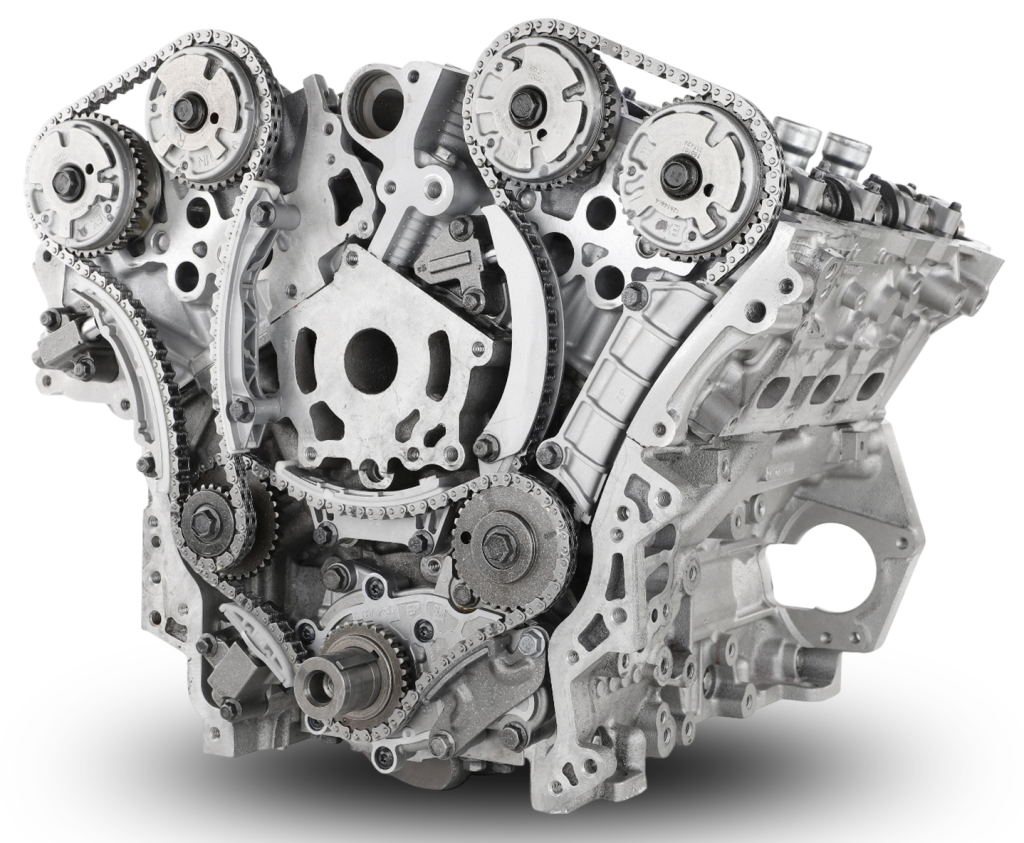
Engineered for robustness and efficiency, the LLT features an aluminum cylinder block and cylinder heads, contributing to its relatively light weight. Its core architecture includes a 60-degree V-angle, reducing vibration and promoting smooth operation. The valvetrain consists of dual overhead camshafts (DOHC) per cylinder bank, actuating four valves per cylinder via roller finger followers. A critical technological feature is the Continuously Variable Valve Timing (VVT) system on both intake and exhaust camshafts, which optimizes valve overlap for improved low-end torque, high-end power, and emissions control across the engine’s operating range. The direct injection system precisely meters fuel directly into the combustion chambers, leading to a higher compression ratio and more efficient combustion.
The LLT engine was primarily deployed across Cadillac’s luxury and performance lineup, as well as in various GM crossovers and sedans. Key applications included the 2008-2011 Cadillac CTS, the 2008-2011 Cadillac STS, and the 2010-2011 Cadillac SRX. Beyond the Cadillac brand, it also powered the 2009-2011 Chevrolet Traverse, 2008-2011 Buick Enclave, and 2009-2011 GMC Acadia, often serving as the primary or upgraded V6 option in these models, offering a balance of power and economy for family-oriented vehicles.
Technical Specifications
| Displacement (cc) | 3564 |
| Max Power (hp (kW) @ RPM) | 304 (227) @ 6400 |
| Max Torque (Nm (kg*m) @ RPM) | 370 (37.7) @ 5200 |
| Fuel Type | Unleaded Gasoline (Premium recommended for peak performance) |
| Fuel Consumption (l/100 km) | Approximately 10.7-12.4 (Combined, varies by vehicle) |
| Engine Type | Naturally Aspirated V6, DOHC, SIDI, VVT |
| Compression Ratio | 11.3:1 |
| Cylinder Bore (mm) | 94.0 |
| Piston Stroke (mm) | 85.6 |
| Valvetrain | DOHC, Roller Finger Followers, VVT |
| Valves per Cylinder | 4 |
| Additional Info | Gasoline Direct Injection, Aluminum Block/Heads, Forged Steel Crankshaft |
Common Problems & Reliability
While the LLT engine offers robust performance, it has been associated with a few notable issues that prospective owners should be aware of. A primary concern is premature timing chain wear. This issue, particularly prevalent in earlier production years, often manifests as a stretched timing chain, leading to diagnostic trouble codes (DTCs) for camshaft position correlation, misfires, or a distinct rattling noise during cold starts. The root cause is frequently attributed to extended oil change intervals or the use of conventional oils, which can degrade lubrication and accelerate wear on the chain and tensioners. Replacement of timing chains is an involved and costly repair.
Another common characteristic of direct-injection engines like the LLT is carbon buildup on the intake valves. Since fuel is injected directly into the combustion chamber, it does not pass over the intake valves to clean them. Over time, oil vapors from the PCV system can adhere to the hot intake valve stems, forming carbon deposits. This buildup can restrict airflow, leading to reduced performance, rough idle, misfires, and decreased fuel efficiency. Periodic manual cleaning (e.g., walnut blasting) may be required at higher mileages.
Some LLT engines have also exhibited higher-than-average oil consumption. This can sometimes be traced to issues with the PCV system, worn valve stem seals, or piston rings. Regular monitoring of oil levels is crucial. Despite these potential issues, a properly maintained LLT engine can achieve a respectable service life of 150,000 to 200,000 miles (240,000-320,000 km) before requiring a major overhaul, provided critical components like the timing chain are addressed proactively.
Maintenance Tips & Service Schedule
To maximize the longevity and reliability of the Cadillac LLT engine, adherence to a stringent maintenance schedule is imperative, particularly concerning its known vulnerabilities:
- Engine Oil: Utilize a high-quality 5W-30 full synthetic engine oil. Given the timing chain sensitivity, follow the vehicle’s Oil Life Monitor (OLM) but consider more frequent changes, ideally every 5,000-7,500 miles (8,000-12,000 km), especially under severe driving conditions. Regular oil changes are the most critical preventative measure against timing chain wear.
- Spark Plugs: Replace iridium spark plugs approximately every 100,000 miles (160,000 km). Inspect ignition coils for signs of wear or cracking during replacement.
- Timing Chains: While there is no factory-specified replacement interval, vigilance for symptoms (rattling on cold start, P0016/P0017 codes) is crucial. Proactive replacement around 100,000-120,000 miles (160,000-190,000 km) may be considered, particularly if the vehicle has a history of extended oil change intervals.
- Coolant: Flush and replace the engine coolant (DEX-COOL compatible) every 5 years or 100,000 miles (160,000 km) to maintain cooling system efficiency and prevent corrosion.
- Intake Valve Carbon Cleaning: Depending on driving habits and fuel quality, intake valve cleaning (e.g., walnut blasting) may be beneficial every 60,000-100,000 miles (96,000-160,000 km) to mitigate carbon buildup and restore optimal performance.
- PCV System: Periodically inspect the Positive Crankcase Ventilation (PCV) system for proper function and obstructions, which can contribute to oil consumption and carbon buildup.
Conclusion
The Cadillac LLT engine offers a compelling blend of power, refinement, and modern technology. For a used vehicle buyer, it can be a reliable choice, provided its specific known issues, particularly regarding timing chain maintenance and carbon buildup, have been addressed or are properly managed. Thorough pre-purchase inspections are highly recommended, specifically checking for timing chain noise or diagnostic codes. With a diligent and proactive maintenance regimen, prioritizing quality synthetic oil and regular service, the LLT can deliver a satisfying and dependable ownership experience, reflecting its position as a capable and advanced V6 powertrain within GM’s High Feature family.