
Overview & Design Features
The Cadillac GM Northstar LH2 engine represents an influential, high-performance V8 powerplant developed by General Motors for its Cadillac luxury division. Introduced in 1993, the LH2 is the original, high-output variant of the renowned Northstar engine family, boasting a 4.6-liter (4565cc) displacement in a sophisticated 90-degree V8 configuration. Its development marked a significant engineering milestone for GM, aiming to challenge European luxury marques with advanced technology and substantial power output, defining Cadillac’s performance image through the 1990s.
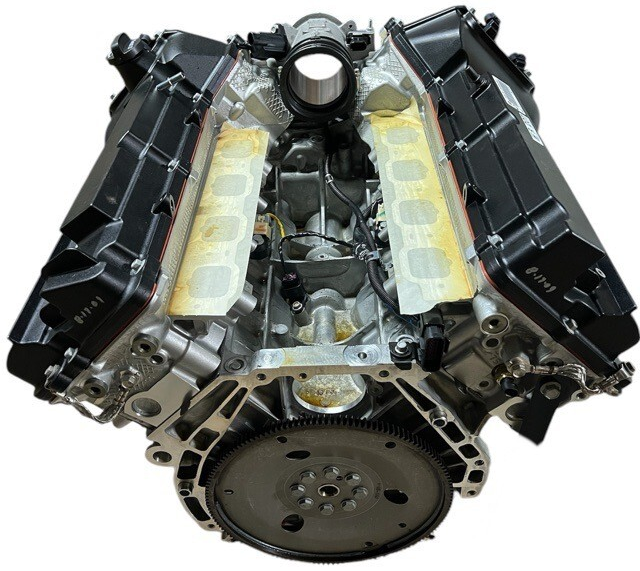
Engineered with performance and refinement in mind, the LH2 features an all-aluminum construction, utilizing an open-deck cylinder block and aluminum cylinder heads, contributing to its relatively light weight. It employs a Dual OverHead Camshaft (DOHC) design with four valves per cylinder, facilitating efficient airflow and combustion. Fuel delivery is handled by a Multi-Port Fuel Injection (MPFI) system, precisely metering fuel to each cylinder. Ignition is managed by a Coil-on-Plug (also known as Direct Ignition System) setup, providing strong, consistent spark. Unique engineering aspects include a crankcase-driven water pump, and a structural design that allows the engine to operate without coolant for a limited time in emergency situations, a testament to its robust internal architecture.
This specific LH2 iteration of the Northstar engine was predominantly deployed in Cadillac’s most prestigious models during its production run from 1993 to 1995. Key vehicles included the Cadillac Allanté (for its final model year, 1993), the high-performance Cadillac Eldorado Touring Coupe (ETC), the Cadillac DeVille Concours, and the Cadillac Seville STS (Seville Touring Sedan). These applications underscored its role as a flagship powertrain, equipping Cadillac’s top-tier trims with formidable performance capabilities.
Technical Specifications
| Displacement (cc) | 4565 cc |
| Max Power (hp (kW) @ RPM) | 295 hp (220 kW) @ 5600 RPM |
| Max Torque (Nm (kg*m) @ RPM) | 400 Nm (40.8 kg*m) @ 4400 RPM |
| Fuel Type | Premium Unleaded Gasoline (91+ RON recommended) |
| Fuel Consumption (l/100 km) | Approximately 11.5 – 13.5 (combined, depending on vehicle and driving conditions) |
| Engine Type | Naturally Aspirated 90-degree V8 |
| Compression Ratio | 10.3:1 |
| Cylinder Bore (mm) | 93 mm |
| Piston Stroke (mm) | 84 mm |
| Valvetrain | DOHC (Dual OverHead Camshaft) |
| Valves per Cylinder | 4 |
| Additional Info | All-aluminum construction, Coil-on-Plug Ignition, Multi-Port Fuel Injection |
Common Problems & Reliability
- Head Bolt Thread Failure: The most significant and well-documented flaw of the Northstar LH2 is the tendency for head bolt threads in the aluminum block to pull out. This typically manifests as external oil or coolant leaks, internal coolant consumption, or overheating due to compromised head gasket sealing. Repair often requires specialized tooling to install thread inserts (e.g., Northstar Performance studs or Timesert repair kits), a labor-intensive and costly procedure.
- Oil Leaks: The LH2 is prone to various oil leaks. Common culprits include the oil pan gasket, front and rear main seals, valve cover gaskets, and particularly the oil cooler adapter. These leaks can be persistent and contribute to significant oil consumption if not addressed.
- Coolant System Leaks: Beyond the head gasket issue, other coolant system components are susceptible to leaks. The water pump, a crankcase-driven design, can develop leaks over time, and the plastic coolant crossover pipe gaskets are known failure points. Timely identification and repair are crucial to prevent overheating.
Under ideal conditions with meticulous maintenance, an LH2 engine may achieve 150,000 to 200,000 miles (240,000 – 320,000 km) before requiring a major overhaul. However, the head bolt issue frequently arises significantly earlier, often necessitating costly repairs that can exceed the vehicle’s market value.
Maintenance Tips & Service Schedule
- Engine Oil: Utilize a high-quality synthetic 5W-30 or 10W-30 engine oil. Perform oil and filter changes every 5,000 miles (8,000 km) or every six months, whichever comes first. Strict adherence to this interval is crucial to prevent sludge buildup and support overall engine longevity.
- Coolant System: Flush and refill the cooling system every 2 years or 30,000 miles (48,000 km) with GM-approved DEX-COOL coolant. This prevents corrosion, maintains system efficiency, and helps preserve critical gasket materials. Regularly inspect coolant levels and hoses for any signs of leaks.
- Spark Plugs: Replace iridium or platinum-tipped spark plugs every 100,000 miles (160,000 km). Inspect ignition coils for signs of degradation during this service.
- Timing Chains: The Northstar LH2 utilizes a robust timing chain system designed for the life of the engine. There is no specified replacement interval. However, during major service intervals (e.g., 100,000 miles), inspection for any unusual noise or slack is recommended.
- Accessory Drive Belt: Inspect the accessory drive belt annually for cracks or fraying. Replacement is generally recommended every 60,000 to 80,000 miles (96,000 – 128,000 km).
- Leak Monitoring: Conduct routine visual inspections for any signs of oil or coolant leaks, especially around the cylinder heads, oil pan, and water pump area. Promptly address any identified leaks to prevent more significant damage.
Conclusion
The Cadillac GM Northstar LH2 engine, while a technological marvel delivering impressive performance for its era, presents a complex ownership proposition in the used vehicle market. Its high-output characteristics and smooth operation are undeniable. However, the inherent design flaw concerning head bolt threads in the aluminum block casts a long shadow over its long-term reliability. Without documented evidence of a professional head bolt repair utilizing a robust stud kit, the LH2 carries a significant risk of catastrophic failure and extremely expensive repairs. For a used vehicle buyer, cautious consideration is paramount; this engine is best suited for enthusiasts prepared for potential major investment, or for vehicles where the primary reliability concern has already been definitively addressed.