
Overview & Design Features
The Cadillac Small-Block LT1, a 6.2-liter (376 cubic inch) naturally aspirated V8 engine, represents a pinnacle in General Motors’ storied small-block architecture. Introduced as part of the Gen V small-block family, this engine brought significant advancements in performance and efficiency while maintaining the compact dimensions and reliability synonymous with its predecessors. It serves as a cornerstone of Cadillac’s performance and luxury offerings, delivering robust power output and a characteristic V8 sound.
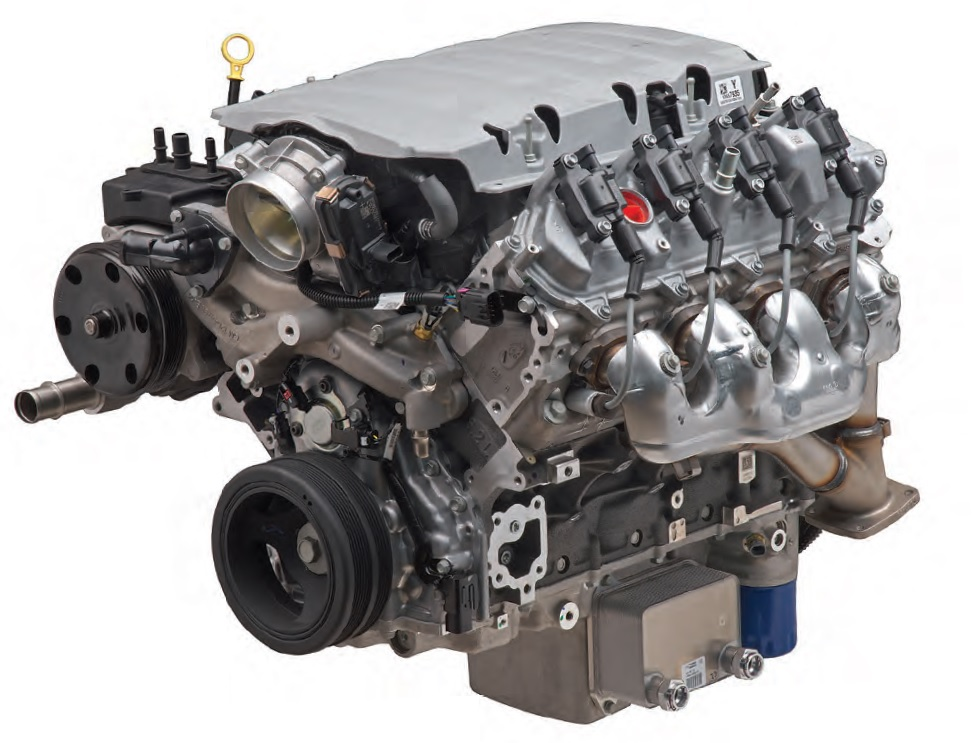
Engineered for both performance and refinement, the LT1 block is constructed from cast aluminum, featuring 4-bolt main caps and nodular iron crankshaft for enhanced durability. Its cylinder heads are also cast aluminum, incorporating a unique “rooftop” combustion chamber design and direct fuel injection (DFI), which atomizes fuel directly into the combustion chamber for improved efficiency and power. This Gen V LT1 also utilizes Variable Valve Timing (VVT) for optimized camshaft phasing across the RPM range, along with Active Fuel Management (AFM) or Dynamic Fuel Management (DFM) in some applications, which deactivates cylinders under light loads to conserve fuel.
This powerful engine has been prominently featured in several high-performance and luxury Cadillac models. It powered the 2016-2019 Cadillac CT6 V-Sport, providing a substantial increase in power and performance for the executive sedan. Furthermore, variations of the 6.2L Small-Block V8, directly related to the LT1 architecture, are found in the Cadillac Escalade across multiple generations, including the current model, where it is valued for its torque and towing capabilities.
Technical Specifications
| Specification | Value |
|---|---|
| Displacement (cc) | 6162 |
| Max Power (hp (kW) @ RPM) | 460 (343) @ 6000 |
| Max Torque (Nm (kg*m) @ RPM) | 630 (64) @ 4400 |
| Fuel Type | Premium Unleaded (91+ RON recommended) |
| Fuel Consumption (l/100 km) | Refer to manufacturer’s technical documentation (approx. 12.5-14.5 combined) |
| Engine Type | Naturally Aspirated V8 |
| Compression Ratio | 11.5:1 |
| Cylinder Bore (mm) | 103.25 |
| Piston Stroke (mm) | 92 |
| Valvetrain | Overhead Valve (OHV), Pushrod, Variable Valve Timing (VVT) |
| Valves per Cylinder | 2 |
| Additional Info | Direct Fuel Injection (DFI), Active Fuel Management (AFM) / Dynamic Fuel Management (DFM) |
Common Problems & Reliability
- Active/Dynamic Fuel Management (AFM/DFM) Lifter Failure: A well-documented issue across Gen V V8 engines, including the LT1, involves hydraulic roller lifters associated with the AFM/DFM system. These lifters can fail, leading to misfires, ticking noises, and potentially camshaft damage. The problem often stems from oil starvation due to sludge buildup or defective lifter designs.
- Direct Injection Carbon Buildup: While not as severe as some early direct-injection engines, the LT1 can still experience carbon accumulation on intake valves. This is because fuel is injected directly into the combustion chamber, bypassing the intake valves and preventing their natural “washing.” Symptoms include reduced performance, rough idle, and decreased fuel efficiency over extended mileage.
- Excessive Oil Consumption: Some LT1 engines, particularly those equipped with AFM/DFM, have reported higher-than-normal oil consumption. This can be attributed to lifter issues, PCV system design, or piston ring problems. Regular monitoring of oil levels is crucial.
Under proper and diligent maintenance, including regular oil changes with specified lubricants, the Cadillac Small-Block LT1 engine typically exhibits a strong service life, often exceeding 250,000 kilometers (155,000 miles) before requiring significant overhaul. Consistent monitoring of oil levels and addressing any abnormal engine noises promptly are key to achieving maximum longevity.
Maintenance Tips & Service Schedule
- Oil Changes: Adhere strictly to the manufacturer’s Oil Life Monitoring (OLM) system or perform oil changes every 7,500-10,000 miles (12,000-16,000 km), whichever comes first. Use only full synthetic engine oil of the recommended viscosity (typically 0W-20 or 5W-30, consult owner’s manual) and a high-quality oil filter. This is critical for lifter health, especially with AFM/DFM.
- Spark Plugs: Replace spark plugs every 100,000 miles (160,000 km) or as specified by the maintenance schedule. Using OEM-equivalent plugs is recommended for optimal performance and fuel efficiency.
- Coolant Flush: Perform a coolant system flush and refill every 5 years or 150,000 miles (240,000 km) with the manufacturer-specified long-life coolant. This prevents corrosion and maintains efficient engine cooling.
- Fuel System Cleaning: Periodically use a high-quality fuel system cleaner specifically designed for direct injection engines to help mitigate carbon buildup on intake valves. While not a complete solution, it can help slow accumulation.
- PCV Valve Inspection: Inspect and replace the PCV (Positive Crankcase Ventilation) valve as part of routine maintenance to ensure proper crankcase ventilation and help manage oil consumption.
Conclusion
The Cadillac Small-Block LT1 engine is a formidable and generally reliable powerplant, offering an impressive blend of power, efficiency, and the classic American V8 driving experience. For a used vehicle buyer, it represents a strong choice, provided the vehicle has a documented history of consistent and proper maintenance. Awareness of the potential AFM/DFM lifter issues and direct injection carbon buildup is important, but these can often be managed or prevented with proactive maintenance. Thorough pre-purchase inspections and verification of service records are highly recommended to ensure long-term satisfaction and avoid unexpected repair costs.