
Overview & Design Features
The Cadillac Z19DTH is a 1.9-liter (1910 cc) inline four-cylinder turbodiesel engine, a product of the GM-Fiat Powertrain collaboration. Primarily known as Fiat’s JTDm engine or GM’s CDTI, it was integrated into Cadillac’s lineup, notably for the European market. This engine represents a significant departure from Cadillac’s traditional large-displacement gasoline V8s, offering a fuel-efficient, high-torque diesel option tailored for global market demands and evolving emissions standards of its era. Its deployment demonstrated Cadillac’s efforts to broaden its appeal beyond North America, embracing diesel technology for executive sedans.
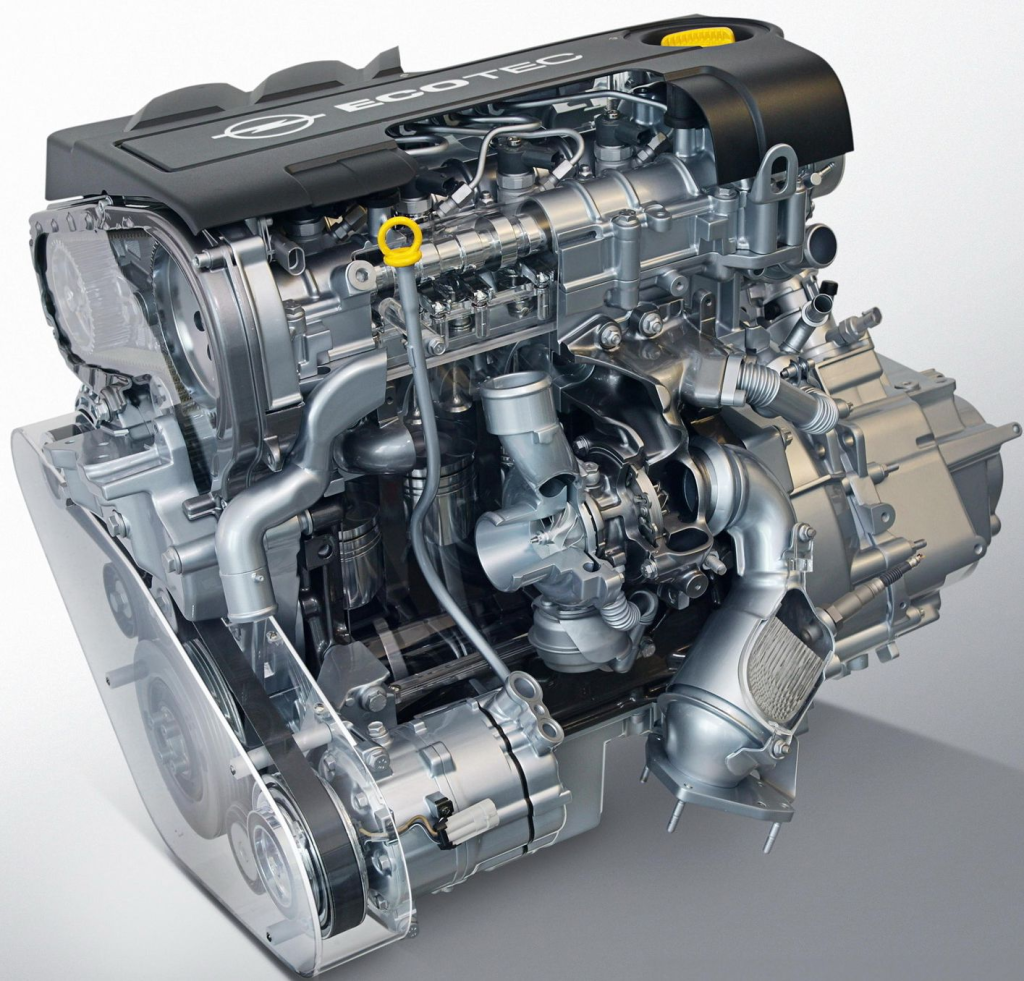
Engineered for durability and efficiency, the Z19DTH features a robust cast iron cylinder block, providing structural rigidity and minimizing NVH (Noise, Vibration, and Harshness). Its cylinder head is constructed from lightweight aluminum alloy, contributing to overall weight reduction and improved thermal management. Fuel delivery is handled by a sophisticated common rail direct injection system, which precisely controls fuel atomization and timing for optimal combustion and reduced emissions. The valvetrain incorporates a Double Overhead Camshaft (DOHC) design with 16 valves (four per cylinder), facilitating efficient gas flow. Forced induction is provided by a variable geometry turbocharger (VGT), enhancing throttle response across a broad RPM range and contributing to its strong low-end torque output.
This specific iteration of the 1.9L diesel engine was predominantly deployed in the Cadillac BLS sedan and wagon models, manufactured between 2006 and 2009. It was offered in various trims, often serving as the primary diesel powertrain option for European markets, where diesel engines held significant market share for premium vehicles. Beyond Cadillac, this engine platform found widespread use across General Motors’ European brands, including Saab (e.g., 9-3, 9-5) and Opel/Vauxhall (e.g., Vectra, Astra), showcasing its versatility and reliability within the GM portfolio.
Technical Specifications
| Displacement | 1910 cc |
| Max Power | 150 hp (110 kW) @ 4000 RPM |
| Max Torque | 320 Nm @ 2000 RPM |
| Fuel Type | Diesel |
| Fuel Consumption (combined) | Approximately 6.5 l/100 km (varies by vehicle and conditions) |
| Engine Type | Inline 4-cylinder, DOHC, Turbocharged Diesel |
| Compression Ratio | 17.5:1 |
| Cylinder Bore | 82 mm |
| Piston Stroke | 90.4 mm |
| Valvetrain | DOHC |
| Valves per Cylinder | 4 |
| Additional Info | Common Rail Direct Injection, Variable Geometry Turbocharger (VGT), Diesel Particulate Filter (DPF) |
Common Problems & Reliability
- EGR Valve & Intake Manifold Carbon Buildup: A prevalent issue is the accumulation of carbon deposits in the Exhaust Gas Recirculation (EGR) valve and the intake manifold. This buildup restricts airflow, reduces engine efficiency, triggers warning lights, and can lead to rough idling or power loss. Regular cleaning or replacement of the EGR valve is often necessary.
- Diesel Particulate Filter (DPF) Clogging: As with many diesel engines equipped with DPFs, the Z19DTH can suffer from DPF clogging, especially in vehicles used predominantly for short-distance driving. Failed regeneration cycles due to insufficient exhaust temperatures result in reduced power, increased fuel consumption, and costly DPF replacement if not addressed promptly.
- Swirl Flap Mechanism Failure: The intake manifold on some Z19DTH variants incorporates swirl flaps designed to optimize air turbulence for combustion. The plastic components of these flaps or their actuator mechanism can degrade over time, leading to malfunction. Symptoms include reduced power, poor fuel economy, and engine management light illumination. Failure can potentially lead to debris entering the combustion chamber.
Under a regime of diligent maintenance and regular servicing, the Cadillac Z19DTH engine is capable of achieving a realistic service life exceeding 250,000 kilometers before requiring a major overhaul. Its fundamental design is robust, with many examples surpassing this mileage when issues like carbon buildup and DPF health are proactively managed.
Maintenance Tips & Service Schedule
- Engine Oil & Filter: Perform oil changes every 15,000 km or annually, whichever comes first. Utilize a fully synthetic engine oil conforming to GM Dexos2 or ACEA C3 specifications, typically with a viscosity grade of 5W-30 or 5W-40, suitable for diesel engines with DPFs.
- Fuel Filter: Replace the diesel fuel filter every 30,000 km or every two years. This prevents contamination of the common rail injection system, which is highly sensitive to fuel quality.
- Air Filter: Inspect and replace the air filter every 30,000 km or every two years to ensure optimal engine breathing and prevent particulate matter from entering the engine.
- Timing Belt Kit: The timing belt, tensioners, and idlers, along with the water pump, are critical components. Replace the complete timing belt kit every 90,000 to 120,000 km or every 6-8 years, whichever occurs first. Adherence to this interval is paramount to prevent catastrophic engine failure.
- Coolant Flush: Perform a coolant flush and refill every 5 years or 150,000 km using an OAT (Organic Acid Technology) long-life coolant specifically designed for modern engines.
- EGR Valve & Intake System: Proactive cleaning of the EGR valve and inspection of the intake manifold for carbon buildup every 60,000-80,000 km can significantly mitigate common operational issues and maintain engine performance.
- DPF Management: Ensure regular highway driving at consistent speeds to facilitate passive and active DPF regeneration cycles. Short, stop-and-go trips increase the risk of DPF clogging.
Conclusion
The Cadillac Z19DTH engine, when properly maintained, presents itself as a generally reliable and robust turbodiesel powertrain. Its strong torque, respectable fuel economy, and proven track record across various GM and Fiat models make it a viable choice for a used vehicle buyer. However, prospective owners should be acutely aware of its susceptibility to carbon-related issues, particularly with the EGR valve, intake manifold, and DPF. A thorough pre-purchase inspection that includes assessing DPF health, EGR function, and service history, especially timing belt replacement, is strongly recommended. With proactive maintenance, particularly concerning the common diesel engine ailments, the Z19DTH can offer many more years of dependable service.