
Developed from the M40B18, the M42B18 is an inline four-cylinder engine. The new, more effective aluminum 16-valve cylinder head with two camshafts and an optimized combustion chamber is the primary difference between it and its predecessor.
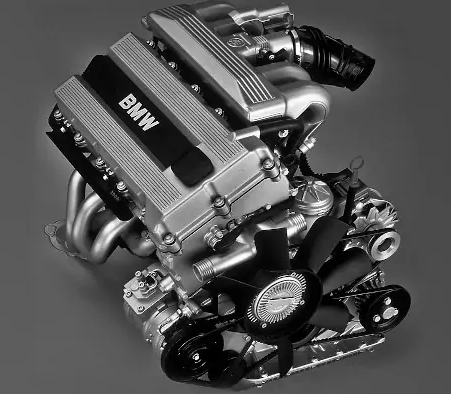
The M42 still uses hydraulic valve clearance compensators. The intake and exhaust valves have diameters of 33 mm and 30.5 mm, respectively. Standard M42 camshaft characteristics include phase 240 and rise 9.7.
The intake and exhaust manifolds, the two-stage throttle valve, the crankshaft, the pistons and connecting rods (140 mm), and the timing belt drive have all been replaced with more dependable chain drives.
Specifications
| Production years | 1989-1996 |
| Displacement, cc | 1796 |
| Fuel system | injector |
| Power output, hp | 140 /6000 rpm |
| Torque output, Nm | 175 /4500 rpm |
| Cylinder block | cast iron R4 |
| Block head | aluminum 16v |
| Cylinder bore, mm | 84 |
| Piston stroke, mm | 81 |
| Compression ratio | 10.0 |
| Features | no |
| Hydraulic lifters | yes |
| Timing drive | chain |
| Turbocharging | no |
| Recommended engine oil | 0W-30 / 0W-40 / 5W-30 / 5W-40 / 10W-40 |
| Engine oil capacity, liter | 5.0 |
| Fuel type | petrol |
| Euro standards | EURO 2 |
| Fuel consumption, L/100 km (for 318is E36) — city — highway — combined |
10.9 6.4 7.7 |
| Engine lifespan, km | ~300 000 |
Disadvantages of the M42B18 engine
Unstable rpm, knocking, jolts during acceleration, and overheating are some of the common issues with the M42B18.
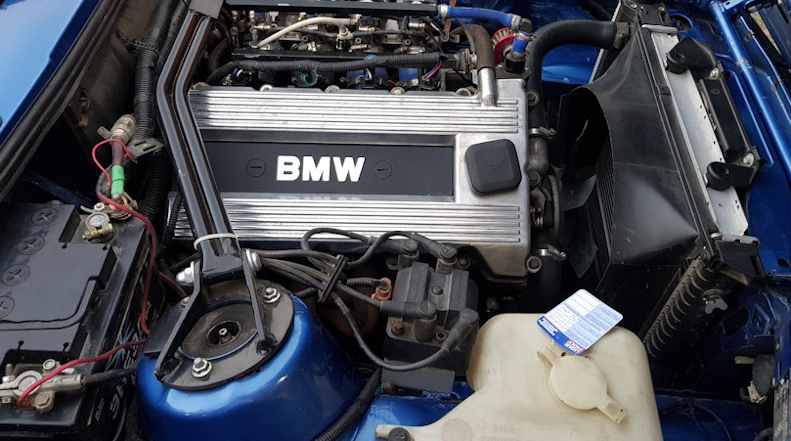
Wear on the rocker arms, hydraulic lifters, and camshaft causes a knock in the power unit. It is necessary to verify.
Air leaks could be the cause of unstable revolutions, which could be concealed by a breach of the duct’s integrity. Additionally, they examine the throttle valve, idle valve, mass air flow sensor, and lambda probe. A floating speed issue arises if the camshaft is hard to turn.
When the pump, radiator, or thermostat malfunction, the engine starts to overheat. The reason could be air pockets in the cooling system. The integrity of the cooling system’s plastic pipes must also be examined.
The injectors probably need to be cleaned if the engine jerks when it accelerates. Check the ignition coil, fuel pump, spark plugs, and high-voltage wires if the engine won’t start.