
Developed in 1987 to replace the obsolete M10 series, the M40B18 is the older brother of the M40B16 and the first inline 4-cylinder engine in the M40 family. The engine is built around a cast-iron cylinder block with an 8-valve head, a single camshaft, and hydraulic lifters (the M40 does not require valve adjustment).
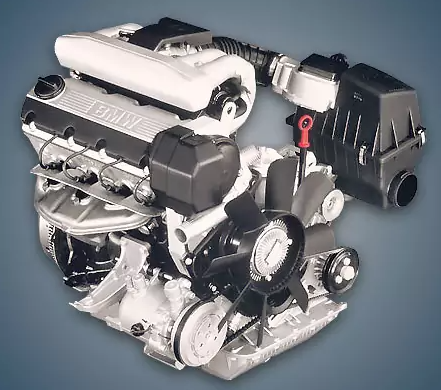
The intake and exhaust valves have diameters of 42 mm and 36 mm, respectively. BMW M40 camshaft characteristics include phase 244/244 rise 10.6/10.6 mm.
Along with the roller, the timing drive uses an unreliable belt that needs to be replaced on average every 40,000 kilometers. A careless approach to this issue raises the possibility of bending the valves and shattering the timing belt.
BMW vehicles with the 18i index were equipped with this motor.
Since 1989, a more potent 16-valve M42B18 has been manufactured concurrently with the M40B18 for the Sports 18i.
Specifications
| Production years | 1987-1994 Steyr Plant |
| Displacement, cc | 1795 |
| Fuel system | injector |
| Power output, hp | 113 /5500 rpm |
| Torque output, Nm | 162 /4250 rpm |
| Cylinder block | cast iron R4 |
| Block head | aluminum 8v |
| Cylinder bore, mm | 84 |
| Piston stroke, mm | 81 |
| Compression ratio | 8.8 |
| Features | no |
| Hydraulic lifters | yes |
| Timing drive | belt |
| Phase regulator | no |
| Turbocharging | no |
| Recommended engine oil | 5W-30 |
| Engine oil capacity, liter | 4.0 |
| Fuel type | petrol |
| Euro standards | EURO 1 |
| Fuel consumption, L/100 km — city — highway — combined |
10.3 6.7 8.6 |
| Engine lifespan, km | ~300 000 |
| Weight, kg | ~132 |
Disadvantages of the M40B18 engine
BMW M40B18 engines frequently experience knocking, floating rpm, dips when accelerating, and overheating. Every issue has a unique cause.
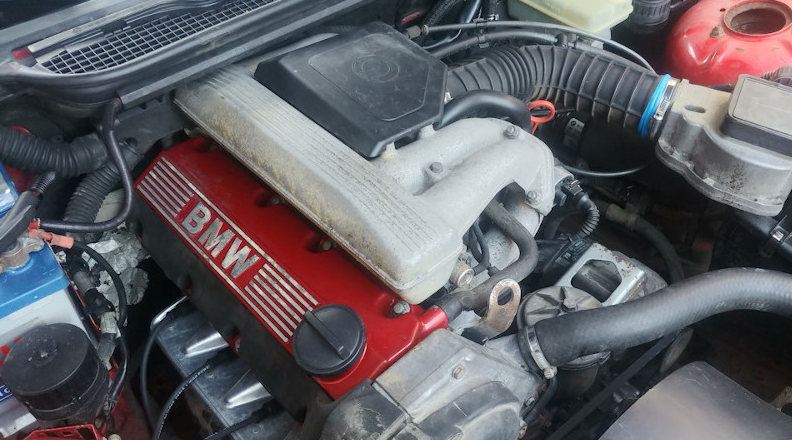
Wear on the camshaft, hydraulic lifters, and rocker arms can all contribute to engine knocking. The parts’ condition needs to be examined.
An air leak could be the cause of floating rpm if the mass air flow sensor malfunctions. Examine the engine thoroughly, check the mass air flow sensor, evaluate the state of the throttle and idle valves, and check the lambda probe. The issue could be the result of poor camshaft rotation.
Cleaning the injectors is usually necessary if jolts are apparent when increasing speed.
There could be a number of reasons why the engine overheats, including the need to check the thermostat and pump. The radiator and cooling system pipes could be the cause.
The engine won’t start if there are issues with the fuel pump, coil, spark plugs, or damaged wires. The timing belt may be problematic.