
The 1988 release of the BMW M40B16 engine, a low-volume in-line 4-cylinder engine of the BMW M40 series, was based on the M40B18. It had a smaller-stroke crankshaft and additional pistons, but the connecting rods stayed the same.
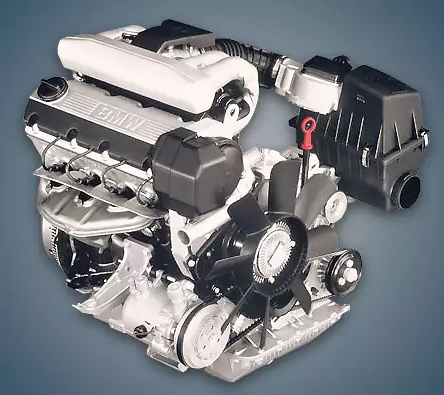
The intake manifold, throttle valve, spark plugs, and ECU are different in M40 1.6 compared to 1.8. The cylinder head remains the same, with hydraulic valve clearance compensators and an 8-valve single camshaft (SOHC). The intake and exhaust valves have diameters of 42 mm and 36 mm, respectively. Phase 244/244 rise 10.6/10.6 mm are characteristics of the M40 camshafts.
The timing belt drive has a low resource because the belt itself is unreliable and improperly wide. The M40’s timing belt and roller need to be replaced every 40,000 kilometers on average; if they break, the engine will bend the valve.
BMW vehicles with the 16i index were equipped with this motor.
Specifications
| Production years | 1988-1994 Steyr Plant |
| Displacement, cc | 1596 |
| Fuel system | injector |
| Power output, hp | 100 /5500 rpm 102 /5500 rpm |
| Torque output, Nm | 141 /4250 rpm 143 /4250 rpm |
| Cylinder block | cast iron R4 |
| Block head | aluminum 8v |
| Cylinder bore, mm | 84 |
| Piston stroke, mm | 72 |
| Compression ratio | 9.0 |
| Features | no |
| Hydraulic lifters | yes |
| Timing drive | belt |
| Phase regulator | no |
| Turbocharging | no |
| Recommended engine oil | 5W-30 |
| Engine oil capacity, liter | 4.0 |
| Fuel type | petrol |
| Euro standards | EURO 1 |
| Fuel consumption, L/100 km — city — highway — combined |
10.2 6.1 7.5 |
| Engine lifespan, km | ~275 000 |
| Weight, kg | ~132 |
Disadvantages of the M40B16 engine
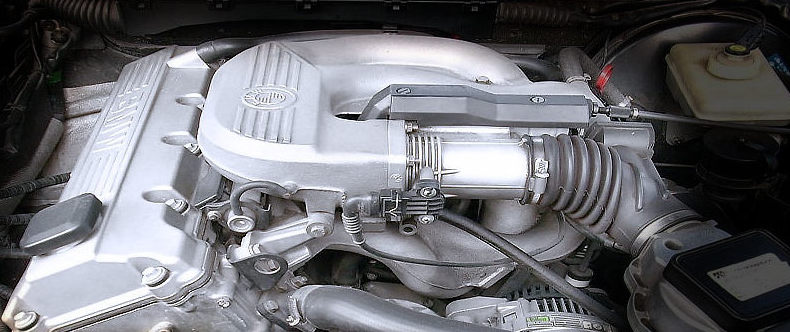
The most well-known engine issue in the accelerated development of camshaft cams is that the timing belt with a roller needs to be changed every 40,000 kilometers; if it breaks, the valves bend; the nozzles here quickly become dirty, the engine begins to blunt, and traction dips appear;
Air leaks, throttle contamination, and idle valves are typically the causes of floating speed; wear on plastic flanges causes the antifreeze level to drop and the engine to overheat.