
The M30B34 engines with a 10.0:1 compression ratio and 160 kW (218 horsepower) were sold in Europe and the majority of other markets. The M30B34 produced 136 kW (185 hp) and had an 8.0:1 compression ratio in North America and Japan. The Bosch Motronic digital fuel injection system was used in every market. The stroke is 86 mm (3.39 in) and the bore is 92 mm (3.62 in).
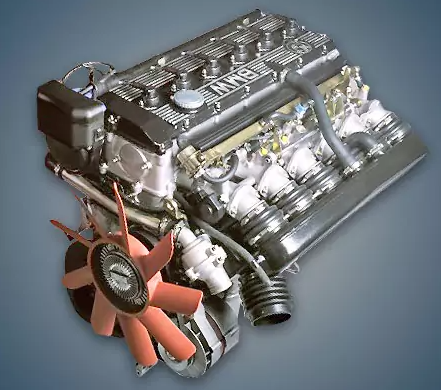
Despite the “B35” model code, the M30B35 engine has a displacement of 3430 cc (209.3 cu in). It uses Bosch Motronic 1.3 digital fuel injection, has a compression ratio of 9.0:1, and generates 155 kW (211 hp) at 5700 rpm and 305 Nm (225 lb⋅ft) at 4000 rpm. For some markets, it was also available without a catalytic converter; at the same engine speed, this version produces 162 kW (220 hp) and 315 Nm (232 lb-ft).
The M30B35LE engine, which has a different cylinder block geometry, should not be confused.
Specifications
| Manufacturer | Munich Plant |
| Family | M30 |
| Production years | 1982-1992 |
| Cylinder block alloy | cast iron |
| Fuel system | injector |
| Configuration | inline |
| Number of cylinders | 6 |
| Valves per cylinder | 2 |
| Piston stroke, mm | 86 |
| Cylinder bore, mm | 92 |
| Compression ratio | 8.0 9.0 10.0 |
| Displacement, cc | 3430 |
| Power output, hp | 185/5400 211/5700 218/5500 |
| Torque output, Nm / rpm | 290/4000 305/4000 310/4000 |
| Timing drive | chain |
| Fuel type | petrol |
| Weight, kg | ~145 |
| Fuel consumption, L/100 km — city — highway — combined |
17.3 8.0 9.8 |
| Oil consumption, gr/1000 km | up to 1000 |
| Recommended engine oil | 5W-30 / 5W-40 / 10W-40/ 15W-40 |
| Engine oil capacity, liter | 5.75 |
| Normal engine operating temperature, °C | ~90 |
| Engine lifespan, km | ~400 000 |
Frequent problems
BMW M30B35 engines frequently experience overheating. In order to avoid driving the cylinder head, it is preferable to prevent such a situation. Overheating may be caused by a dirty thermostat, pump, or radiator. The cooling mechanism’s plugs are frequently the source.
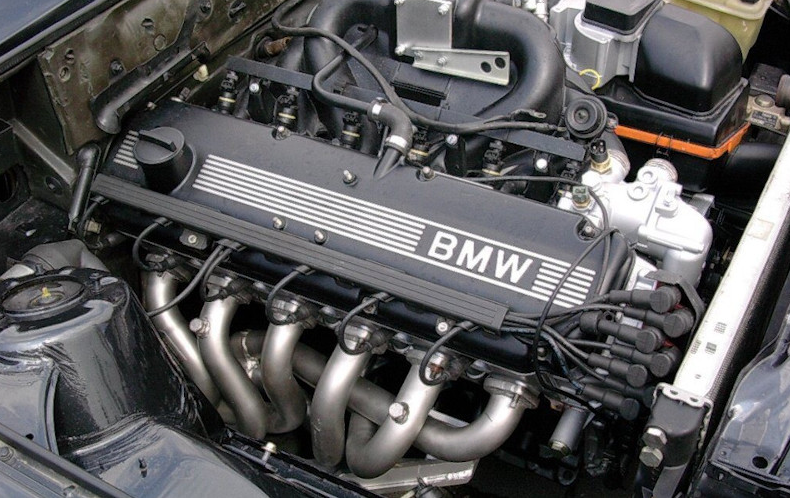
BMW M30B35 engine owners may experience cylinder block cracks that develop around the cylinder head bolt threads. Both the unit’s disassembly and the failure to remove oil from the threads can cause damage. When an emulsion forms in the oil, the quick consumption of antifreeze indicates the presence of cracks. Although they occasionally choose to use repairs, it is best to purchase and install the cylinder block undamaged.
Long-term operation causes motors to struggle with controlling the gas distribution mechanism’s valve. New eccentrics, guide bushings, and valves must be installed in this situation. The impressive age of the engine may cause mass air flow sensor malfunctions.