
In 1990, BMW replaced its inline 6-cylinder M20B25 engine with a new, far more potent and sophisticated M50B25. The device is a member of the new M50 family, which also includes the M50B20, M50B24, S50B30, and S50B32. The cylinder head is the primary distinction between M50 and M20 engines. The new engine has 24 valves, a two-shaft cylinder head, and hydraulic lifters. These days, a chain powers the M50 engines’ gas distribution system. The manufacturer claims that it can travel up to 250,000 kilometers, if not more.
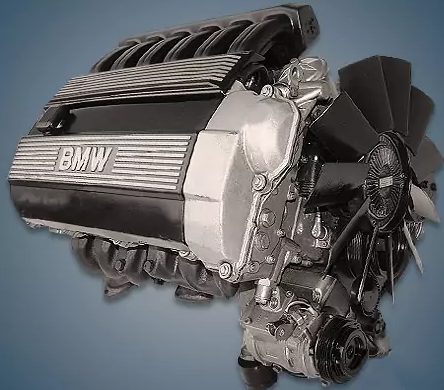
Specifications
| Production years | 1990-1996 Munich Plant |
| Displacement, cc | 2494 |
| Fuel system | injector |
| Power output, hp | 192 |
| Torque output, Nm | 245 |
| Cylinder block | cast iron R6 |
| Block head | aluminum 24v |
| Cylinder bore, mm | 84 |
| Piston stroke, mm | 75 |
| Compression ratio | 10.0 10.5 (TU) |
| Features | no |
| Hydraulic lifters | yes |
| Timing drive | chain |
| Phase regulator | no single VANOS (TU) |
| Turbocharging | no |
| Recommended engine oil | 5W-30 |
| Engine oil capacity, liter | 5.75 |
| Fuel type | petrol |
| Euro standards | EURO 1 EURO 2 (TU) |
| Fuel consumption, L/100 km (for E36 325i) — city — highway — combined |
11.5 6.8 8.7 |
| Engine lifespan, km | ~400 000 |
| Weight, kg | ~198 |
Disadvantages of the M50B25 engine
Overheating. An increase in operating temperature is a characteristic of the M50 unit. If overheating is found, the radiator, its cover, thermostat, and pump must all be diagnosed right away to prevent the development of air locks.
Misfire. Examine the spark plugs, injector, and ignition module.
The RPM is increasing. An unclean or damaged idle valve is the issue. The lambda probe, temperature sensor, and throttle sensor could conceal the cause.
Vanos M50. Rattling, decreased power, and rpm jumping are indicators. Purchasing a Vanos repair kit is the way to solve the issue.
Additionally, for every thousand kilometers, M50 engines use nearly one liter of oil. Oil dipsticks, sump gaskets, and valve cover gaskets may begin to leak. It is common for the expansion tank to crack. Coolant temperature and camshaft and crankshaft sensors can also cause issues. The engine’s age and mode of operation account for the majority of its drawbacks. However, its resource can extend well beyond 400,000 kilometers with appropriate operation and maintenance.