
Since 2013, the N20B16 petrol 4-cylinder turbo engine has been manufactured. BMW 3- and 5-series vehicles with the 20i index are equipped with this engine for the Turkish, Greek, and Vietnamese markets.
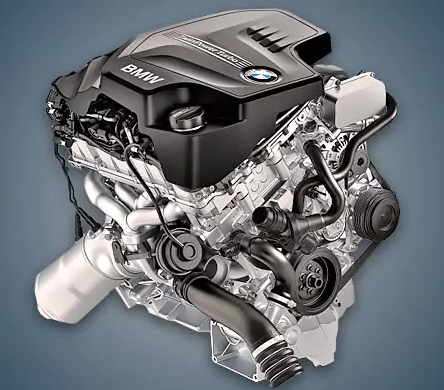
The engine was installed on:
- BMW F10 520i in 2013 – 2016;
- BMW G30 520i since 2017;
- BMW G20 320i since 2018.
Specifications
| Production years | since 2013 |
| Displacement, cc | 1598 |
| Fuel system | direct injection |
| Power output, hp | 143 – 170 |
| Torque output, Nm | 220 – 250 |
| Cylinder block | aluminum R4 |
| Block head | aluminum 16v |
| Cylinder bore, mm | 84 |
| Piston stroke, mm | 72.1 |
| Compression ratio | 9.0 |
| Features | Valvetronic III |
| Hydraulic lifters | yes |
| Timing drive | chain |
| Phase regulator | double VANOS |
| Turbocharging | twin-scroll |
| Recommended engine oil | 5W-30 |
| Engine oil capacity, liter | 5.0 |
| Fuel type | petrol |
| Euro standards | EURO 5/6 |
| Fuel consumption, L/100 km (for BMW 320i 2012) — city — highway — combined |
8.2 4.9 6.1 |
| Engine lifespan, km | ~200 000 |
Disadvantages of the N20B16 engine
These motors frequently wedge because of the oil pump’s inadequate performance;
The loss of elasticity in the oil pump circuit is typically the cause of engine jamming.
This is where the oil filter’s plastic cup with the heat exchanger cracks and leaks;
Fuel injectors rapidly accumulate dirt, which is followed by intense vibrations;
The idle control valve and flow meter are well-known for having relatively low resources.