
In 1990, the M50B20 engine—the smallest inline 6-cylinder engine in the BMW M50 series, which also included the M50B24, M50B25, S50B30, and S50B32—was introduced to replace the outdated M20B20.
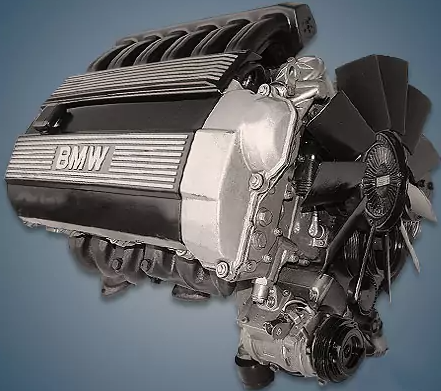
This new cast-iron cylinder block has oil nozzles; the height has changed to 210 mm, but the inter-cylinder distance is still 91 mm. This block contains new pistons with a compression height of 42.8 mm, lightweight forged connecting rods measuring 135 mm, and a new crankshaft with a piston stroke of 66 mm. As a result, two liters are produced using six cylinders.
The M50 engines were upgraded in 1992 with the goal of lowering fuel consumption and increasing environmental friendliness by lowering friction. These motors are known as M50B20TU. Along with new lightweight connecting rods (length 145 mm), much lighter pistons (-100 grams), and a reduction in the piston’s compression height to 31.64 mm, they also started to have a phase shifter installed on the intake shaft (Vanos). Here, lightweight valves with single, less stiff valve springs were installed. The size of the valve stem is now 6 mm. Siemens MS 40.1 was used as the new engine management system.
BMW vehicles with the 20i index were equipped with all of these motors.
Specifications
| Production years | 1990-1996 Munich Plant |
| Displacement, cc | 1991 |
| Fuel system | injector |
| Power output, hp | 150 |
| Torque output, Nm | 190 |
| Cylinder block | cast iron R6 |
| Block head | aluminum 24v |
| Cylinder bore, mm | 80 |
| Piston stroke, mm | 66 |
| Compression ratio | 10.5 11.0 (TU) |
| Features | no |
| Hydraulic lifters | yes |
| Timing drive | chain |
| Phase regulator | no single VANOS (TU) |
| Turbocharging | no |
| Recommended engine oil | 5W-30 |
| Engine oil capacity, liter | 5.75 |
| Fuel type | petrol |
| Euro standards | EURO 1 EURO 2 (TU) |
| Fuel consumption, L/100 km (for E36 320i) — city — highway — combined |
11.2 6.7 8.6 |
| Engine lifespan, km | ~400 000 |
Disadvantages of the M50B20 engine
The majority of motor issues are linked to different types of gasket and seal leaks; contamination of the throttle or idle valve is the cause of the floating RPM; misfiring is caused by candle, ignition coil, and clogged injector failure; the Vanos variable valve timing system is unreliable;
Additionally, keep an eye on the cooling system’s condition because this unit is afraid of overheating.