
The top models of the first generation Omega and the comparable Senator were equipped with the 3.0-liter inline 6-cylinder Opel C30SE engine, which was manufactured between 1989 and 1993. This motor was available in a derated version for an automatic gearbox with the C30SEJ index.
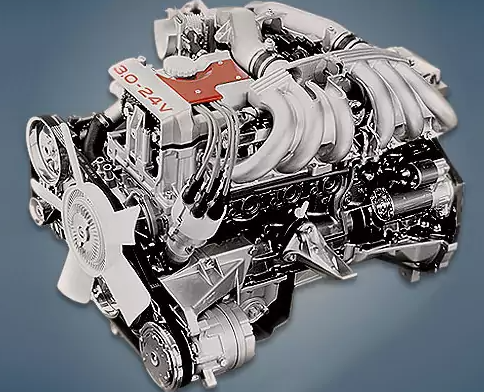
The engines C20NE, C20XE, C20LET, and C24NE are also part of the C20/30 line.
Three years after the launch of Opel’s CIH (cam-in-head engine) powertrain line in 1965, straight-sixes joined the lineup. Additionally, their volume hit 3.0 liters in 1977. The earliest engines in this family, like the 30H engine, had a carburetor and a 12-valve cast-iron cylinder head. However, all versions quickly switched to fuel injection: the C30LE and C30NE power units had a more contemporary Motronic, while the 30NE engine had Jetronic.
The aluminum 24-valve DOHC cylinder head with hydraulic compensators and an intake manifold with a proprietary Dual Ram System geometry change system were the distinguishing features of the C30SE unit and its derated version for the C30SEJ automatic transmission, which finally debuted in 1989. A distributor ignition system, a timing drive with a large and small chain, a cast-iron cylinder block, and distributed fuel injection like Bosch Motronic ML1.5 are the other options.
The engine was mounted on:
- Opel Omega A (V87) in 1989 – 1993;
- Opel Senator B (V88) in 1987 – 1993.
Specifications
| Production years | 1989-1993 |
| Displacement, cc | 2969 |
| Fuel system | distributed injection |
| Power output, hp | 204 |
| Torque output, Nm | 270 |
| Cylinder block | cast iron R6 |
| Block head | aluminum 24v |
| Cylinder bore, mm | 95 |
| Piston stroke, mm | 69.8 |
| Compression ratio | 10.0 |
| Hydraulic lifters | yes |
| Timing drive | chain |
| Turbocharging | no |
| Recommended engine oil | 5W-30, 5W-40 |
| Engine oil capacity, liter | 5.5 |
| Fuel type | petrol |
| Euro standards | EURO 2 |
| Fuel consumption, L/100 km (for Opel Senator 1990) — city — highway — combined |
14.3 7.6 10.4 |
| Engine lifespan, km | ~400 000 |
| Weight, kg | 186 (235 with attachments) |
Disadvantages of the C30SE engine
This is a very dependable and resourceful unit with no obvious flaws, but its aluminum head dislikes overheating and tuning; cracks appear right away in everything from valve seats to candle wells.
Here, gaskets and seals are not well-known for their resources, and the problem is made worse by frequent overheating. Thus, the presence of oil in the candle wells suggests that one of the gaskets is failing. Additionally, check the condition of the valve cover stud seals if replacing them is ineffective.
Overly active drivers frequently have to switch chains after 100,000 kilometers, but overall, the timing chain is fairly dependable and many people drive 300–400 thousand kilometers without any issues. The shoe of the long timing chain tensioner is also rapidly erased in this motor.
The engine speed continuously floats because of fuel injector contamination, the idle speed controller, or the mass air flow sensor; the hydraulic lifters cannot withstand low-quality oil and can knock up to 100,000 kilometers; and the ignition system, particularly high-voltage wires, is a common source of complaints in specialized forums.