
Since 2008, the 1.2-liter, four-cylinder Hyundai G4LA engine has been manufactured in Korea and India and is found in nearly all of the company’s compact models, including the i10, i20, and Kia Picanto. This motor comes in two generations, the second of which has dual CVVT type phase regulators.
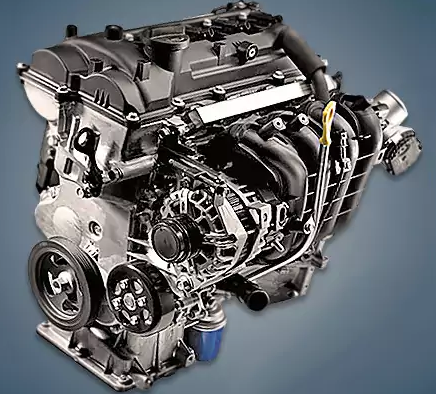
G4LA, G4LF, G4LC, G4LD, G4LG, G4LH, and G4LE are members of the Kappa R4 family.
The Hyundai i10 and i20 models introduced the 1.25-liter engine of the new Kappa series in 2008. Distributed fuel injection, an aluminum block for four cylinders with cast-iron liners and an open cooling jacket, and an aluminum 16-valve cylinder head with hydraulic compensators and a timing chain drive were all common features of this unit at the time. A variable valve timing system was absent from the initial iteration of this type of power unit.
The motor’s second generation, which included dual CVVT phase regulators, debuted in 2011. This system’s appearance allowed the engine to gain 7 horsepower and comply with Euro 5 environmental regulations.
The engine was mounted on:
- Hyundai i10 1 (PA) in 2008 – 2013; i10 2 (IA) in 2013 – 2019;
- Hyundai i20 1 (PB) in 2008 – 2014; i20 2 (GB) in 2014 – 2020;
- Kia Picanto 2 (TA) in 2011 – 2017; Picanto 3 (JA) since 2017;
- Kia Rio 3 (UB) in 2011 – 2017; Rio 4 (YB) since 2017;
- Kia Stonic 1 (YB) since 2017.
Specifications
| Production years | since 2008 |
| Displacement, cc | 1248 |
| Fuel system | distributed injection |
| Power output, hp | 78 (1st gen.) 85 (2nd gen.) |
| Torque output, Nm | 118 (1st gen.) 121 (2nd gen.) |
| Cylinder block | aluminum R4 |
| Block head | aluminum 16v |
| Cylinder bore, mm | 71 |
| Piston stroke, mm | 78.8 |
| Compression ratio | 10.5 |
| Hydraulic lifters | yes |
| Timing drive | chain |
| Phase regulator | no (1st gen.) Dual CVVT (2nd gen.) |
| Turbocharging | no |
| Recommended engine oil | 5W-30, 5W-40 |
| Engine oil capacity, liter | 4.2 |
| Fuel type | petrol |
| Euro standards | EURO 4 (1st gen.) EURO 5 (2nd gen.) |
| Fuel consumption, L/100 km (for Kia Picanto 2012) — city — highway — combined |
6.7 4.5 5.3 |
| Engine lifespan, km | ~300 000 |
| Weight, kg | 82 (without attachments) |
Disadvantages of the Hyundai G4LA engine
Although owners frequently complain about noise and vibration rather than malfunctions, this dependable unit is completely intolerant of overheating. If you don’t keep an eye on the radiators’ cleanliness, all of the gaskets and seals will eventually solidify, allowing grease to seep out of all the cracks.
Although the timing chain is rather thin, it can cover up to 200,000 km for a sedate owner and up to 100,000 km for an overly active one. If costly phase regulators don’t need to be updated, the replacement process is cheap.
This unit has an aluminum block with an open cooling jacket, and it frequently uses oil because of cylinder distortion, especially after 200–250 thousand kilometers. An unreliable adsorber valve and short-lived engine mounts are additional weak points.