What Does Code P0250 Mean?
DTC P0250 indicates a detected electrical fault within the control circuit for the turbocharger (or supercharger) wastegate solenoid, specifically designated as “Circuit B,” where the Engine Control Module (ECM) or Powertrain Control Module (PCM) has registered a voltage signal that is consistently too high. The wastegate solenoid is a crucial component in forced induction systems, responsible for regulating boost pressure by controlling the wastegate actuator. This solenoid typically receives a pulse-width modulated (PWM) signal from the ECM to vary the vacuum or pressure applied to the wastegate actuator, thereby controlling the amount of exhaust gas bypassing the turbine. A “High” condition usually signifies an open circuit, a short to voltage (e.g., battery voltage), or an internal electrical malfunction within the solenoid itself that causes an abnormally high voltage reading on the control circuit monitored by the ECM. When P0250 is set, the ECM detects that the actual voltage on the solenoid’s control circuit is outside the manufacturer’s specified high threshold for a calibrated period, leading to impaired boost pressure regulation and potentially triggering fail-safe or limp-home mode to prevent engine damage.
Common Symptoms
- Malfunction Indicator Lamp (MIL) Illumination: The “Check Engine” light will be illuminated on the dashboard.
- Reduced Engine Power (Limp Mode): The vehicle may experience a significant loss of power and acceleration due to improper boost control or the ECM defaulting to a low-boost strategy.
- Turbocharger Lag or Over-boosting/Under-boosting: Inconsistent or incorrect boost pressure delivery, leading to delayed power delivery or a noticeable lack of power at higher RPMs.
- Unusual Engine Noises: Potentially audible wastegate rattling or whistling if the wastegate is not positioned correctly.
- Poor Fuel Economy: While not a primary symptom, the engine may consume more fuel trying to compensate for reduced power or inefficient combustion.
- Engine Hesitation or Stumbling: The engine may stumble or hesitate during acceleration as the ECM struggles to maintain proper air-fuel mixture without accurate boost control.
What Causes the Code P0250?
- Faulty Turbocharger Wastegate Solenoid (Circuit B): An internal electrical fault within the solenoid itself, such as an open coil, excessive resistance, or an internal short that leads to an abnormal voltage reading on the control circuit.
- Wiring Harness Issues: An open circuit in the solenoid’s power supply wire or the ECM control wire, or a short to battery voltage (12V) on the control circuit. Damaged insulation, chafing, or corrosion within the wiring harness leading to the solenoid.
- Corroded or Loose Electrical Connectors: High resistance at the electrical connector for the wastegate solenoid or at the ECM connector due to corrosion, bent pins, or poor terminal tension.
- Faulty Engine Control Module (ECM/PCM): Although less common, an internal failure of the ECM’s driver circuit responsible for controlling the wastegate solenoid can lead to P0250.
- Vacuum/Pressure Supply Issues (less common for “High” code): While the “high” code specifically points to an electrical fault, a severe restriction or leak in the vacuum/pressure lines that the solenoid controls could, in rare cases, indirectly influence the current draw and voltage feedback, leading the ECM to misinterpret the circuit state. However, direct electrical causes are far more prevalent for a “High” condition.
How to Diagnose and Troubleshoot
Diagnosis of P0250 requires a systematic approach using specialized tools and a deep understanding of forced induction control systems:
- Visual Inspection: Begin with a thorough visual inspection of the wastegate solenoid (Circuit B) and its associated wiring harness and connectors. Look for signs of physical damage, chafing, melted insulation, corrosion at the connector pins, or loose connections. Trace the wiring back to the ECM, if accessible, inspecting for similar issues.
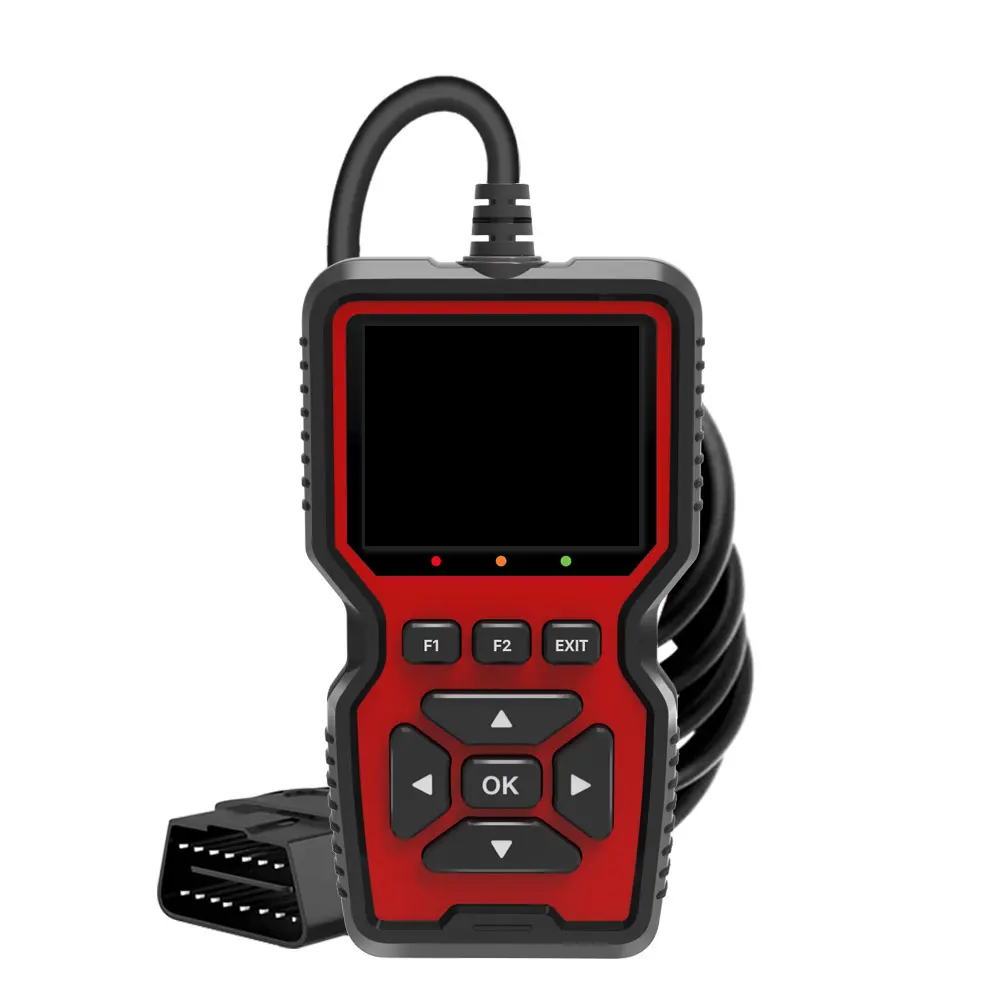
- OBD-II Scan Tool Data Analysis: Connect an advanced OBD-II scan tool capable of live data monitoring.
- Monitor relevant PIDs (Parameter IDs) such as Engine RPM, MAP (Manifold Absolute Pressure) Sensor, Boost Pressure Sensor, Wastegate Solenoid Duty Cycle (Commanded), and Wastegate Solenoid Feedback Voltage (if available).
- Observe the commanded duty cycle for the wastegate solenoid. If the ECM commands a specific duty cycle but the boost pressure remains incorrect or the solenoid’s feedback voltage is constantly high, it points towards an electrical fault in the solenoid or its circuit.
- Check for other related DTCs that might provide additional context, especially boost-related codes.
- Electrical Testing with Digital Multimeter (DMM):
- Solenoid Resistance Test: Disconnect the wastegate solenoid’s electrical connector. Using a DMM, measure the resistance across the solenoid’s terminals. Compare this reading to the manufacturer’s specifications (typically between 10-30 ohms, but varies significantly by make/model). An open circuit (infinite resistance) or excessively high resistance indicates an internal solenoid failure.
- Power and Ground Test at Connector: With the key in the ON position (engine off), test for battery voltage (12V) at the power supply terminal of the solenoid connector. Also, verify a good ground connection at the appropriate terminal.
- Control Circuit Voltage Test: Back-probe the solenoid’s control circuit wire at the connector while it is connected to the solenoid and the engine is running (or key ON, engine OFF if applicable to circuit design). A “High” code often means this control wire is reading close to battery voltage when it should be fluctuating (PWM signal) or lower. If it’s constantly high without ECM command, it suggests an open circuit or short to voltage.
- Continuity and Short to Voltage/Ground Test: With the battery disconnected and the ECM connector unplugged, test for continuity of the control wire between the solenoid connector and the ECM connector. Also, test the control wire for shorts to ground and shorts to battery voltage using the DMM’s resistance function.
- Wastegate Actuator Mechanical Check: While the code is electrical, it’s good practice to ensure the mechanical wastegate actuator itself moves freely. Manually apply vacuum/pressure (depending on system type) to the actuator to confirm it operates smoothly without binding or sticking.
- ECM Pin-Out Test: If all wiring and solenoid tests pass, and the signal from the ECM is still suspect, perform pin-out testing directly at the ECM connector to verify the ECM is sending the correct control signal to the solenoid. This helps confirm or rule out an internal ECM driver issue.
Recommended Repairs and Solutions
Once the root cause of P0250 has been accurately diagnosed, the following repairs and solutions are commonly applicable:
- Replace Faulty Turbocharger Wastegate Solenoid (Circuit B): This is the most frequent solution if the internal resistance test fails or direct electrical testing confirms an internal solenoid malfunction. Always use an OEM equivalent or higher-quality aftermarket part for reliable performance.
- Repair or Replace Wiring Harness: If the diagnosis points to an open circuit, a short to voltage, or severe damage within the wiring harness, repair the affected section or replace the entire harness segment. Ensure all connections are soldered, heat-shrunk, and properly routed to prevent future issues.
- Clean and Secure Electrical Connectors: Address any corrosion on the solenoid or ECM connectors by carefully cleaning the terminals with an electrical contact cleaner and a small brush. Ensure the terminals have good tension to provide a secure connection. If terminals are bent or severely corroded, replace the connector.
- ECM/PCM Replacement: As a last resort, if all other components and wiring have been thoroughly tested and confirmed to be operational, and the ECM is definitively identified as the source of the incorrect control signal, the ECM may need to be replaced. This typically requires programming and calibration to the specific vehicle, often by a dealership or a specialist with the appropriate diagnostic equipment.
- Clear DTCs and Perform Test Drive: After any repair, clear the stored DTCs using a scan tool. Perform a comprehensive test drive under various engine loads and RPMs to ensure the repair has resolved the issue and the P0250 code does not reappear. Monitor live data during the test drive to confirm proper wastegate solenoid operation and boost pressure regulation.