
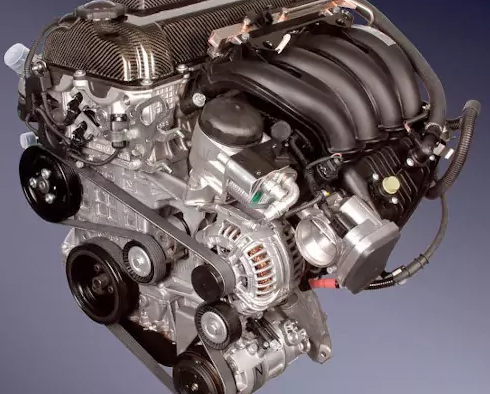
A new version of the N45 engine, the N45B20S, with a displacement of 1997 cc, was introduced in 2006. Produced in a limited edition for the BMW 320si E90 in 2006, the N45B20S took the place of the N42B20. The use of the novel Valvetronic system, which greatly boosts the engine’s overall efficiency, was unquestionably the engine’s primary technological advancement in addition to its improved technical features.
Specifications
| Production years | 2006-2007 |
| Displacement, cc | 1997 |
| Fuel system | injector |
| Power output, hp | 177 /7000 rpm |
| Torque output, Nm | 210 /4250 rpm |
| Cylinder block | aluminum R4 |
| Block head | aluminum 16v |
| Cylinder bore, mm | 85 |
| Piston stroke, mm | 88 |
| Compression ratio | 11.0 |
| Features | no |
| Hydraulic lifters | yes |
| Timing drive | chain |
| Phase regulator | double VANOS |
| Turbocharging | no |
| Recommended engine oil | 5W-30 |
| Engine oil capacity, liter | 4.5 |
| Fuel type | petrol |
| Euro standards | EURO 4 |
| Fuel consumption, L/100 km (for 320si E90) — city — highway — combined |
12.8 6.6 8.9 |
| Engine lifespan, km | ~250 000 |
Disadvantages of the N45B20S engine
The motor has internal knocks. Usually, a broken timing chain tensioner is the primary cause of this. Furthermore, after 100,000 kilometers of running, the latter frequently relax and cease to function.
At idle speed, it vibrates. The Vanos system is the most frequent cause in this instance. In order to make repairs, it is cleaned.
The detonation of the fuel mixture is another clear disadvantage of N45 series units. Low-quality fuel or oil is the source of the issue. The use of any alternative engine oil is strongly discouraged by the BMW manufacturer due to the potentially severe consequences, including the need for significant repairs in order to restore it.