
Overview & Design Features
The Cadillac GM Chevrolet LLO designation refers to a high-performance variant within General Motors’ Gen V Small Block V8 engine family, primarily recognized for its 6.2-liter (6162 cc) displacement. This naturally aspirated V8 is a testament to GM’s long-standing pushrod architecture, meticulously refined for modern demands of power, efficiency, and emissions. Serving as a foundational powerplant across both Cadillac’s luxury performance vehicles and Chevrolet’s iconic sports cars and trucks, the LLO variant embodies a blend of robust American engineering and advanced automotive technology. Its historical significance lies in its ability to deliver substantial performance while adhering to contemporary fuel economy and environmental standards, making it a versatile and respected engine in its class.
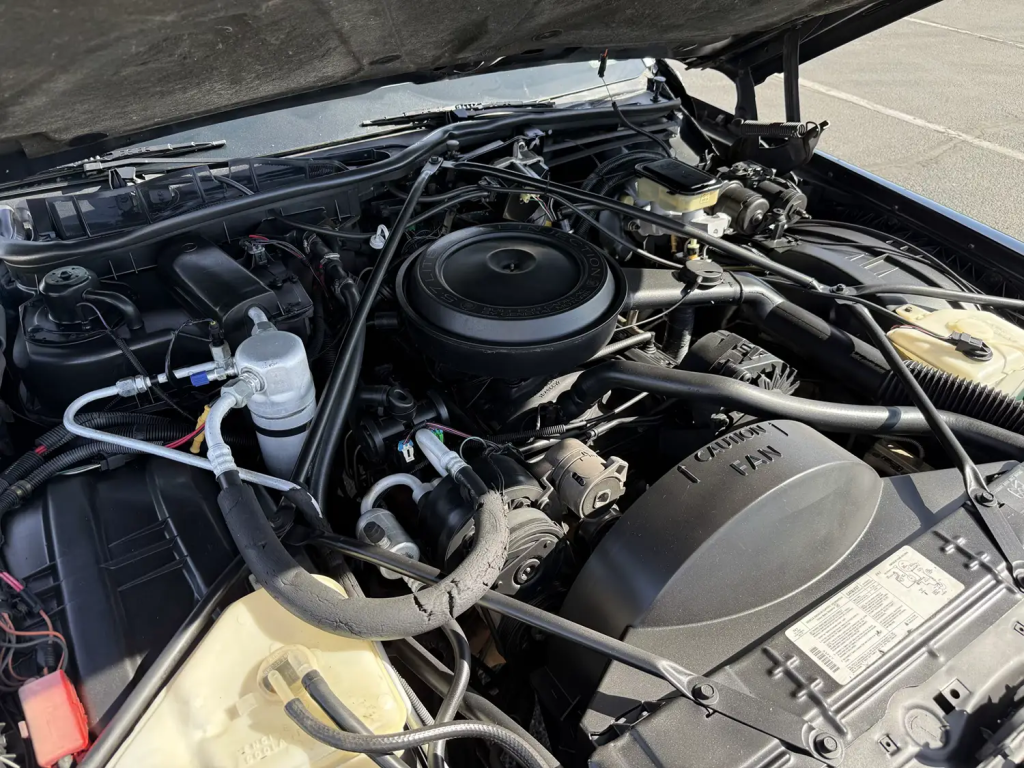
At its core, the LLO engine features a lightweight, high-pressure, die-cast aluminum cylinder block designed for rigidity and optimized mass distribution. Complementing this are aluminum cylinder heads, which contribute to weight reduction and efficient heat dissipation. Fuel delivery is managed by an advanced direct injection (DI) system, precisely spraying fuel into the combustion chambers for improved power, torque, and fuel economy, while also reducing emissions. A sophisticated Variable Valve Timing (VVT) system, utilizing a cam phaser, continuously adjusts valve overlap for optimal performance across the entire RPM range. Furthermore, the engine incorporates Active Fuel Management (AFM), also known as Cylinder Deactivation, which can shut down specific cylinders under light load conditions to enhance fuel efficiency, a key feature for modern large displacement engines.
The LLO variant, or engines sharing its core architecture, has been widely deployed across General Motors’ product lines. Specific applications include, but are not limited to, the Chevrolet Corvette (C7 Stingray, C8 Stingray as a basis), Chevrolet Camaro SS, and a range of full-size Chevrolet trucks and SUVs such as the Silverado and Tahoe. Within Cadillac, this engine family powers performance-oriented models like the CT5-V and forms the basis for the supercharged CT5-V Blackwing’s powerplant, as well as providing robust power for luxury SUVs such as the Escalade and Yukon. Production years generally align with the Gen V Small Block era, typically from the early 2010s to the present day, with continuous refinements across model years and applications.
Technical Specifications
| Specification | Value |
|---|---|
| Displacement (cc) | 6162 |
| Max Power (hp (kW) @ RPM) | ~455 hp (339 kW) @ 6000 RPM (Varies by application/tune) |
| Max Torque (Nm (kg*m) @ RPM) | ~624 Nm (63.6 kg*m) @ 4400 RPM (Varies by application/tune) |
| Fuel Type | Premium Unleaded (91+ RON recommended) |
| Fuel Consumption (l/100 km) | Varies significantly by vehicle application (e.g., ~11-13 L/100 km combined in performance cars) |
| Engine Type | Naturally Aspirated V8, Gen V Small Block, Direct Injection |
| Compression Ratio | 11.5:1 |
| Cylinder Bore (mm) | 103.25 |
| Piston Stroke (mm) | 92 |
| Valvetrain | OHV (Pushrod), Variable Valve Timing (VVT) |
| Valves per Cylinder | 2 |
| Additional Info | Aluminum Block and Heads, Active Fuel Management (AFM)/Dynamic Fuel Management (DFM) |
Common Problems & Reliability
The LLO engine, while generally robust, exhibits a few common issues across its service life. A primary concern for owners can be problems associated with the Active Fuel Management (AFM) or Dynamic Fuel Management (DFM) systems. Specifically, lifter failures are known to occur, often manifesting as ticking noises from the valvetrain, misfires, or even engine damage if neglected. This issue is primarily linked to inadequate oil pressure reaching specific lifters, particularly those activated/deactivated by the AFM system. Another consideration, inherent with direct injection engines, is potential carbon buildup on the intake valves over extended mileage. While less severe than in some other DI engines due to the port-injection-like overlap during certain conditions, periodic cleaning or preventative measures can be beneficial. Some examples of this engine family have also exhibited minor oil consumption, which is often within manufacturer specifications but warrants regular monitoring. With diligent maintenance, including regular oil changes and addressing any AFM-related concerns proactively, the LLO engine can reliably achieve service lives exceeding 200,000 miles (320,000 km) before requiring major overhaul.
Maintenance Tips & Service Schedule
Optimal longevity and performance from the LLO engine depend on strict adherence to manufacturer-recommended maintenance. Engine oil should be a full synthetic, Dexos-approved lubricant, typically 0W-20 or 5W-30 depending on the specific vehicle and climate. Oil and filter changes are recommended every 7,500 to 10,000 miles (12,000-16,000 km) or annually, whichever comes first, or as indicated by the vehicle’s Oil Life Monitoring system. Spark plugs require replacement around 97,500 miles (150,000 km). The engine’s coolant should be flushed and replaced approximately every 5 years or 150,000 miles (240,000 km). Air filter inspection and replacement should occur as needed, typically every 45,000 miles (72,000 km) under normal driving conditions. The timing chain is designed for the life of the engine and generally does not require routine replacement, but its health is directly tied to consistent oil changes and monitoring for abnormal valvetrain noise, especially related to AFM lifters. Proactive diagnostics if any unusual engine noises or rough running occur can prevent more significant repairs.
Conclusion
The Cadillac GM Chevrolet LLO engine, representing a modern iteration of the Gen V Small Block V8, stands as a formidable and generally reliable powerplant. For a used vehicle buyer, it presents an attractive option for its blend of robust power output, relatively sophisticated technology, and a proven architectural foundation. While specific attention to the AFM/DFM system and its associated lifters, along with diligent adherence to maintenance schedules, is crucial for mitigating potential long-term issues, the overall reliability record is strong. Provided the vehicle has a documented service history demonstrating proper care, an LLO-equipped vehicle can be considered a safe and rewarding choice for enthusiasts seeking both performance and enduring dependability.