
Overview & Design Features
The Cadillac GM Ecotec LTG is a prominent turbocharged 2.0-liter (1998 cc) inline four-cylinder gasoline engine, part of General Motors’ globally recognized Ecotec family. Engineered to deliver a balance of performance and fuel efficiency, the LTG variant was specifically tuned for premium applications, most notably within Cadillac’s luxury and performance-oriented vehicle lineup. Its introduction marked a significant shift towards smaller displacement, forced-induction engines offering V6-comparable power output with improved economy, establishing it as a core powerplant for various Cadillac models.
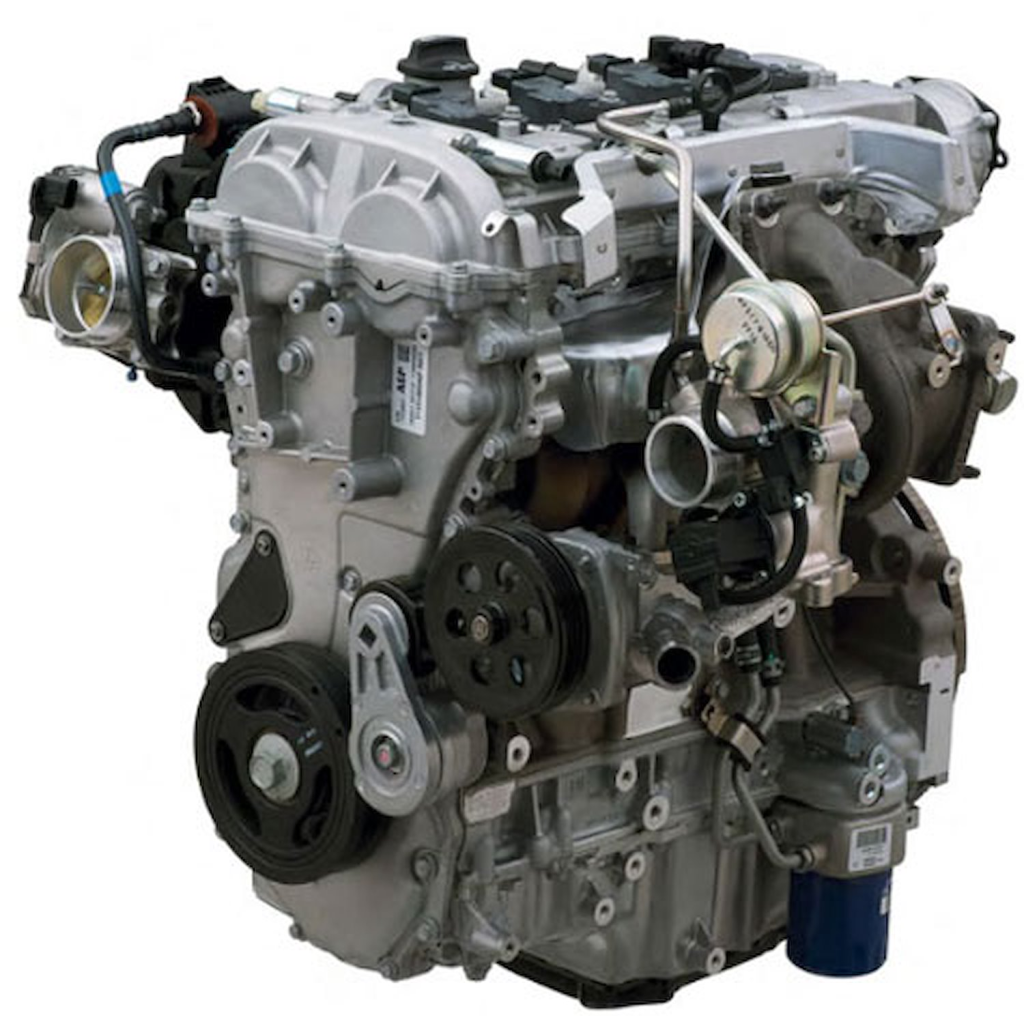
At its core, the LTG features an all-aluminum cylinder block and cylinder head, contributing to reduced weight and improved thermal management. The engine employs Spark Ignited Direct Injection (SIDI), delivering fuel directly into the combustion chambers at high pressure for precise fuel metering, enhanced efficiency, and increased power. A robust valvetrain features Dual Overhead Camshafts (DOHC) with Continuously Variable Valve Timing (CVVT) on both intake and exhaust, optimizing valve overlap and lift across the RPM range for broad torque delivery. Power augmentation comes from a twin-scroll turbocharger, designed to minimize turbo lag and deliver responsive acceleration. Internally, the engine utilizes a forged steel crankshaft and aluminum pistons with oil squirters for enhanced durability and cooling, crucial for a high-output turbocharged application.
The LTG engine has been a cornerstone for several Cadillac models. Key deployments include the Cadillac ATS (2013-2019), Cadillac CTS (2014-2019), Cadillac CT4 (2020-present in some markets), and the Cadillac XT4 (2019-present). It also found use in other GM vehicles, but its Cadillac tuning typically offered higher output figures. Production years span from 2013 into the current decade, underscoring its versatility and enduring design.
Technical Specifications
| Specification | Value |
|---|---|
| Displacement (cc) | 1998 |
| Max Power (hp (kW) @ RPM) | 272 (203) @ 5500 |
| Max Torque (Nm (kg*m) @ RPM) | 400 (40.8) @ 3000-4600 |
| Fuel Type | Premium Unleaded (91+ RON Recommended) |
| Fuel Consumption (l/100 km) | ~7.5 – 9.5 (Combined, Varies by Vehicle) |
| Engine Type | Inline-4, DOHC, Turbocharged, Direct Injection |
| Compression Ratio | 9.5:1 |
| Cylinder Bore (mm) | 86.0 |
| Piston Stroke (mm) | 86.0 |
| Valvetrain | DOHC with CVVT (Continuously Variable Valve Timing) |
| Valves per Cylinder | 4 |
| Additional Info | Twin-scroll turbocharger, Forged crankshaft, Aluminum pistons with oil squirters, Active noise cancellation |
Common Problems & Reliability
The GM Ecotec LTG is generally regarded as a robust and reliable engine, provided it receives diligent maintenance. However, certain characteristics inherent to its design or common with high-output turbocharged direct-injection engines warrant attention:
- Carbon Buildup on Intake Valves: As a direct-injection engine, fuel is sprayed directly into the combustion chamber, bypassing the intake valves. This prevents the washing action of fuel across the valves, leading to carbon deposits over time. Symptoms can include reduced performance, rough idle, and misfires. Periodic walnut blasting or chemical cleaning of the intake valves is a recommended preventative measure at higher mileages.
- PCV System Issues and Oil Consumption: Some LTG engines, particularly earlier iterations or those with high mileage, can experience issues with the Positive Crankcase Ventilation (PCV) system. This may manifest as increased oil consumption or, in severe cases, internal engine damage if the PCV valve fails closed, leading to excessive crankcase pressure. Monitoring oil levels regularly and addressing any unusual consumption is critical.
- Timing Chain Wear: While equipped with a timing chain designed for the life of the engine, extended oil change intervals or use of non-specified oil can accelerate wear. Symptoms of a stretched timing chain include rattling noises from the engine, particularly on cold start, and illumination of the check engine light. Adherence to strict oil change schedules with approved lubricants is paramount for timing chain longevity.
With proper maintenance, the LTG engine is capable of achieving significant mileage. A service life exceeding 200,000 km (125,000 miles) before requiring major internal work is realistic and commonly observed among well-maintained examples.
Maintenance Tips & Service Schedule
Optimal performance and longevity of the Ecotec LTG engine depend heavily on adherence to a rigorous maintenance schedule:
- Engine Oil and Filter: Utilize synthetic engine oil meeting GM’s dexos1 Gen2 specification, typically 5W-30 viscosity. Oil and filter changes should be performed every 8,000-12,000 km (5,000-7,500 miles) or as indicated by the vehicle’s Oil Life Monitoring (OLM) system, whichever comes first. For vehicles subjected to severe driving conditions (frequent short trips, heavy loads, extreme temperatures), more frequent changes are advisable.
- Spark Plugs: Replace iridium spark plugs every 80,000-100,000 km (50,000-60,000 miles). Using genuine OEM or equivalent quality spark plugs is essential for maintaining proper combustion and preventing misfires.
- Air Filter: Inspect the engine air filter at every oil change and replace it as needed, typically every 40,000-50,000 km (25,000-30,000 miles) or sooner in dusty environments.
- Coolant Flush: The cooling system should be flushed and refilled with GM-approved Dex-Cool compatible long-life coolant every 160,000 km (100,000 miles) or every 5 years, whichever comes first.
- Fuel System Cleaning: Given the direct-injection design, periodic fuel system cleaner additives (e.g., PEA-based) can help mitigate carbon buildup. Professional intake valve cleaning (walnut blasting) should be considered around 100,000-150,000 km (60,000-90,000 miles) or if performance issues arise.
- Timing Chain: The timing chain is designed for long life but requires proper lubrication. There is no specified replacement interval, but vigilance for unusual engine noises after 150,000 km (90,000 miles) is prudent.
Conclusion
The Cadillac GM Ecotec LTG engine stands as a strong, efficient, and generally reliable powerplant. Its blend of respectable power output and reasonable fuel economy makes it an attractive choice for luxury and performance-oriented vehicles. For a used vehicle buyer, the LTG-equipped models represent a solid option, provided a comprehensive service history is available and a commitment to proactive maintenance is upheld. Diligent adherence to manufacturer-recommended service intervals, especially concerning oil quality and change frequency, is paramount to ensuring its long-term durability and mitigating common direct-injection related issues. With proper care, the LTG can deliver many years and miles of satisfying performance.