
Overview & Design Features
The Cadillac L9H engine is a 6.2-liter (376 cubic inch) naturally aspirated V8 power unit, a distinguished member of General Motors’ Gen IV Small-Block engine family. Manufactured by GM Powertrain, the L9H was primarily utilized in Cadillac’s luxury SUVs and their corporate cousins, representing a pinnacle of traditional overhead valve (OHV) V8 engineering combined with contemporary efficiency technologies during its production era. Its design emphasized a balance of robust power output, significant torque for towing and hauling, and improved fuel economy compared to earlier generations.
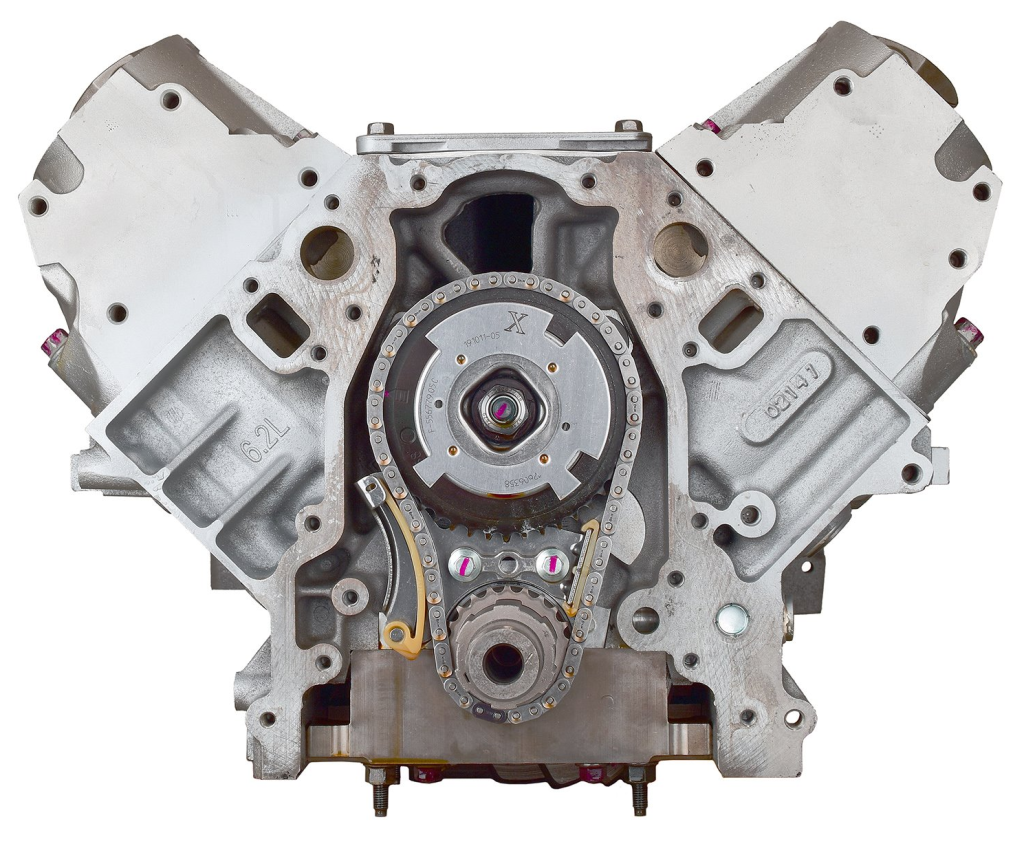
Engineering features of the L9H include an all-aluminum construction for both the cylinder block and cylinder heads, contributing to reduced overall vehicle weight and improved thermal management. The block features deep-skirt design and six-bolt main bearing caps for enhanced rigidity. Fuel delivery is managed by Sequential Multi-Port Fuel Injection (SFI) and an Electronic Throttle Control (ETC) system, ensuring precise fuel metering and responsiveness. A critical technology integrated into the L9H is Variable Valve Timing (VVT), which continuously adjusts valve timing to optimize performance across the RPM range. Additionally, it incorporates Active Fuel Management (AFM), also known as Displacement On Demand (DOD), which can deactivate four cylinders under light-load conditions to conserve fuel.
The L9H engine saw primary deployment in luxury SUVs and high-trim trucks. Key models include the 2010-2013 Cadillac Escalade (and its ESV and EXT variants), the 2010-2013 GMC Yukon Denali and Yukon XL Denali, and the 2010-2013 Chevrolet Tahoe and Suburban LTZ models. This engine provided these vehicles with strong performance capabilities, reinforcing their premium market positioning.
Technical Specifications
| Specification | Value |
|---|---|
| Displacement (cc) | 6162 cc |
| Max Power (hp (kW) @ RPM) | 403 hp (301 kW) @ 5700 RPM |
| Max Torque (Nm (kg*m) @ RPM) | 565 Nm (57.6 kg*m) @ 4300 RPM |
| Fuel Type | Gasoline (Premium Recommended) |
| Fuel Consumption (l/100 km) | ~15.7 (Combined, varies by vehicle/driving) |
| Engine Type | V8, Naturally Aspirated, OHV, Gen IV Small Block |
| Compression Ratio | 10.4:1 |
| Cylinder Bore (mm) | 103.25 mm |
| Piston Stroke (mm) | 92.0 mm |
| Valvetrain | OHV, Roller Lifters, Variable Valve Timing (VVT), Active Fuel Management (AFM) |
| Valves per Cylinder | 2 |
| Additional Info | Aluminum block & heads, Sequential Multi-Port Fuel Injection (SFI), Electronic Throttle Control (ETC) |
Common Problems & Reliability
While the L9H shares the robust fundamental architecture of GM’s Small-Block family, specific technologies introduced for efficiency also became sources of common issues. The primary concern revolves around the Active Fuel Management (AFM) system. Failures are frequently associated with lifter collapse, particularly in the cylinders affected by AFM. This can lead to persistent misfires, camshaft lobe wear, and in severe cases, engine damage. Excessive oil consumption is also a common symptom, often preceding or accompanying AFM-related issues, as oil control rings can become compromised, exacerbated by specific PCV system designs and lubrication demands of the AFM components. Another potential weak point, though less common than AFM, involves the rocker arm bearings and occasionally valve spring fatigue, which can manifest as ticking noises or misfires, especially at higher mileage. Properly maintained, the L9H is capable of achieving 200,000 miles (approximately 320,000 km) or more; however, unaddressed AFM problems can significantly shorten this lifespan, necessitating costly repairs or engine replacement.
Maintenance Tips & Service Schedule
Proactive and diligent maintenance is crucial for the longevity of the L9H engine. Oil changes should be performed using Dexos-approved 5W-30 synthetic oil, ideally every 5,000-7,500 miles (8,000-12,000 km) or as indicated by the vehicle’s Oil Life Monitor, whichever comes first. Frequent oil changes are particularly important to mitigate AFM-related issues. Spark plugs typically require replacement every 97,500 miles (157,000 km). The engine air filter should be inspected at every oil change and replaced as needed, generally every 15,000-30,000 miles (24,000-48,000 km). The coolant should be flushed and replaced every 5 years or 150,000 miles (240,000 km) using Dex-Cool coolant. The L9H utilizes a timing chain, which is generally designed for the life of the engine; however, it should be inspected for excessive slack or noise at high mileage, especially if oil change intervals have been neglected. Transmission fluid checks and changes, particularly for vehicles used for heavy towing, should follow manufacturer recommendations, typically every 50,000-100,000 miles (80,000-160,000 km).
Conclusion
The Cadillac L9H engine offers formidable power and torque, making it an excellent choice for large luxury SUVs requiring strong performance. For a used vehicle buyer, its reliability is primarily influenced by the maintenance history and whether potential AFM-related issues have been addressed or proactively mitigated. Vehicles with comprehensive service records, especially those showing diligent oil changes, are generally a safer bet. A thorough pre-purchase inspection by a qualified mechanic, with particular attention to engine noises, oil consumption, and any stored diagnostic trouble codes (DTCs) related to misfires or AFM, is highly recommended. If AFM issues have been resolved (e.g., via a delete kit or professional repair), the L9H can provide many more years of robust service; otherwise, it presents a risk of significant repair costs.