What Does Code B1408 Mean?
The diagnostic trouble code B1408 indicates a specific electrical fault within the driver’s side power window system. Specifically, it signifies that the Body Control Module (BCM), or a dedicated Door Module (DM) in more complex vehicle architectures, has detected a “Short To Battery” on the ‘Up’ control circuit for the driver’s power window. This means that the module is sensing an abnormally high voltage, specifically the vehicle’s battery voltage (approximately 12-14V), on the circuit responsible for moving the driver’s window upwards, at a time when such voltage should not be present. The module continuously monitors the electrical state of various circuits. When it detects an unintended and persistent application of battery voltage to the ‘up’ circuit, it interprets this as a fault condition, sets the B1408 code, and may initiate a failsafe mode, such as disabling the window function or preventing further operation to protect the system. This directly impacts the functionality of the driver’s power window, primarily its ability to move in the upward direction.
Common Symptoms
- Driver’s Power Window Inoperative (Up Direction): The most direct symptom, where the window will not move up when the switch is pressed.
- Intermittent Window Operation: The driver’s window may sometimes move up, but frequently fails or works inconsistently.
- Window Moves Down but Not Up: The window might respond to the ‘down’ command but remains unresponsive to the ‘up’ command.
- Power Window Fuse Blows Repeatedly: A severe short to battery can cause excessive current draw, leading to a blown fuse protecting the window circuit.
- Uncommanded Window Movement: In rare cases, a direct short to battery could theoretically cause the window to attempt to move up without switch input.
What Causes the Code B1408?
- Damaged Wiring Harness: Chafed, pinched, or cut wiring within the driver’s door panel, door jamb, or main body harness where the ‘up’ circuit wire has come into direct contact with a fused 12V power supply wire or a grounded metal component that is intermittently receiving battery voltage.
- Faulty Driver’s Power Window Switch: An internal short or defect within the driver’s side master power window switch assembly, specifically affecting the contacts or internal circuitry for the ‘up’ function, causing it to continuously send battery voltage to the ‘up’ circuit.
- Water Ingress or Corrosion: Moisture or corrosive elements within the door panel, switch assembly, or wiring connectors can create an unintended conductive path, shorting the ‘up’ circuit to battery voltage.
- Internal Short in Power Window Motor/Regulator: Less common, but an internal defect within the window motor itself or its integrated control circuit could create a short to battery voltage on the control or feedback line.
- Faulty Body Control Module (BCM) or Door Module: A rare but possible scenario where an internal fault within the controlling module (BCM or DM) erroneously applies battery voltage to the driver’s window ‘up’ circuit.
How to Diagnose and Troubleshoot
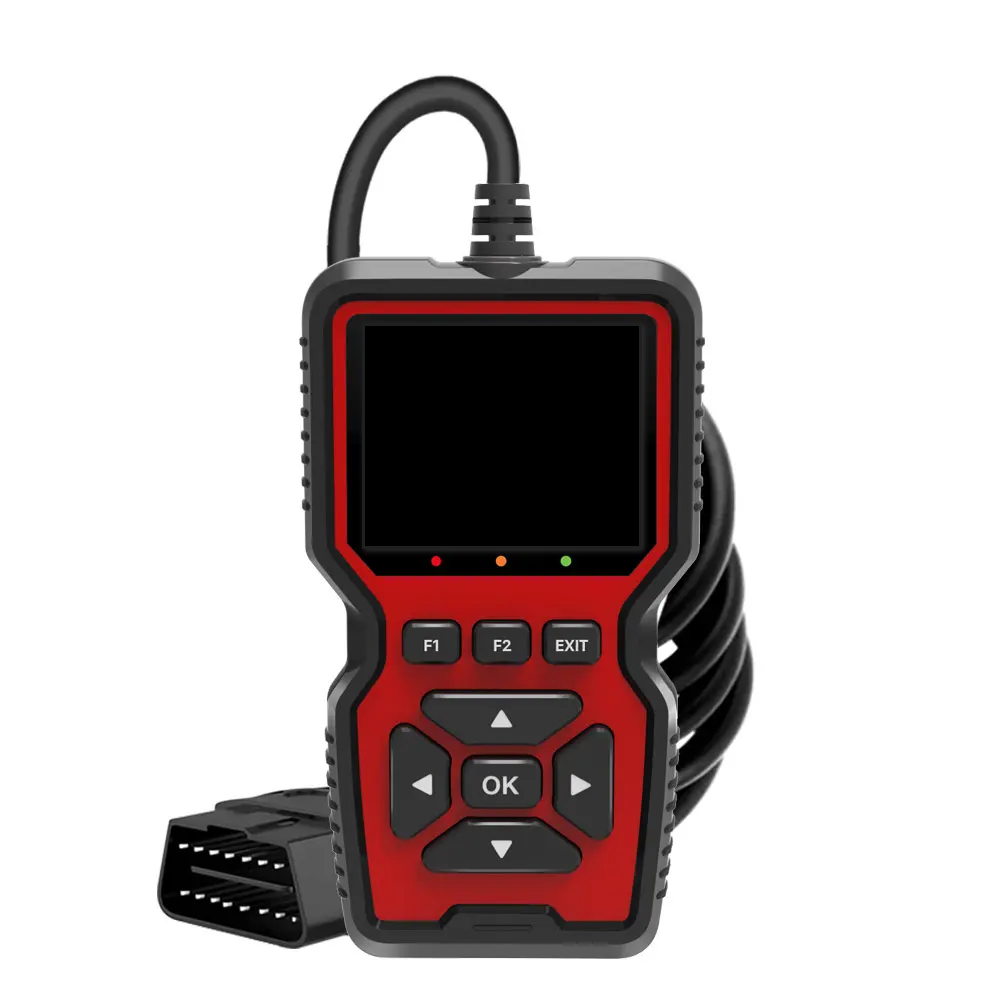
Diagnosis of B1408 requires a systematic approach using a digital multimeter (DMM) and an advanced OBD-II scanner capable of reading body codes and live data.
- Initial Inspection & Safety:
- Begin with a thorough visual inspection. Examine the driver’s door panel for signs of damage or previous repair. Inspect the rubber boot between the door and the body for pinched or cut wires.
- Open the door panel and visually inspect the wiring harness inside the door, the window motor, and the switch assembly for any obvious signs of chafing, melting, corrosion, or damage.
- Safety Precaution: Disconnect the negative battery terminal before performing any electrical component removal or significant wiring inspection to prevent accidental shorts or damage.
- Scan Tool Diagnostics:
- Connect an advanced OBD-II scanner capable of accessing BCM/Door Module data.
- Read all stored, pending, and historical diagnostic trouble codes. Note any other related B-codes.
- Monitor live data parameters related to the driver’s power window, such as switch inputs (up/down), motor status, and specifically look for voltage readings on the ‘up’ circuit if the scanner provides this level of detail. An unexpected voltage reading (e.g., 12V) on the ‘up’ circuit when the switch is not activated confirms the short.
- Digital Multimeter (DMM) Testing – Isolating the Short:
- Disconnect Component Power: With the battery disconnected, disconnect the electrical connector for the driver’s power window switch and the driver’s window motor.
- Continuity to Battery Voltage Test (Battery Disconnected): Identify the ‘up’ circuit wire at the window switch connector (consult wiring diagram for pinout). Set your DMM to resistance (ohms). Measure resistance between this ‘up’ circuit wire and a known constant battery positive (+) wire (e.g., the main power feed to the switch or door module). There should be infinite resistance (open circuit). A reading close to 0 ohms indicates a direct short between these two wires within the harness or switch.
- Voltage Presence Test (Battery Reconnected – Proceed with Caution): With the window switch and motor disconnected and the battery reconnected, set your DMM to DC Volts. Probe the ‘up’ circuit wire at the disconnected window switch harness connector. There should be 0V. If battery voltage (approx. 12V) is present, the short exists between this point and the BCM/Door Module, or within the module itself.
- Isolate Sections: If the initial tests indicate a short, systematically disconnect connectors along the circuit path (e.g., from the door module, then the main body harness connector) to isolate the faulty section. The short is in the section that, when disconnected, causes the voltage to disappear or the continuity test to show open.
- Component Testing:
- Window Switch: With the switch removed and disconnected, use the DMM on continuity or resistance mode. Test continuity between the input power pin and the ‘up’ output pin when the switch is NOT pressed. There should be no continuity. If continuity exists, the switch has an internal short.
- Window Motor: While less likely to cause a ‘short to battery’ on a control line, an internal motor fault cannot be entirely ruled out. Inspect the motor’s internal connections if possible, or test its power and ground circuits according to service manual specifications.
Recommended Repairs and Solutions
Once the source of the B1408 code has been accurately identified through diagnosis, the following repairs are typically recommended:
- Repair or Replace Damaged Wiring: If the diagnostic process identifies a chafed, cut, or shorted wire in the vehicle’s wiring harness, the damaged section must be repaired. Use automotive-grade wire of the correct gauge, crimp connectors, and heat-shrink tubing for a durable, weather-resistant repair. For extensive damage, replacing the entire harness section is the preferred solution. Ensure proper routing and securement of the wiring to prevent future damage.
- Replace Driver’s Power Window Switch: If the DMM tests confirm an internal short within the driver’s master power window switch assembly, the entire switch unit should be replaced. Opt for an Original Equipment Manufacturer (OEM) or high-quality aftermarket replacement to ensure proper fitment and long-term reliability.
- Address Water Ingress and Corrosion: If water damage or corrosion is found to be the root cause, thoroughly clean all affected connectors using an approved electrical contact cleaner. Ensure all traces of moisture and corrosion are removed. Apply dielectric grease to the connector pins to prevent future moisture intrusion and corrosion. Additionally, identify and rectify the source of water ingress (e.g., reseal a window, door panel, or membrane).
- Replace Power Window Motor/Regulator Assembly: If diagnostic procedures conclusively point to an internal short or fault within the window motor or its integrated regulator, the complete motor and regulator assembly should be replaced.
- Body Control Module (BCM) or Door Module Replacement: If all other components (wiring, switch, motor) test good and the short is definitively traced back to an internal fault within the BCM or Door Module, then module replacement is necessary. This is generally a last resort, as it is often a complex and expensive repair requiring specialized diagnostic tools for module programming and configuration after installation.
- Clear DTCs and Verify Repair: After any repair, use the OBD-II scanner to clear the B1408 code and any associated codes. Operate the driver’s power window through its full range of motion (up and down) multiple times to verify the repair is successful and the code does not return.