What Does Code B1431 Mean?
DTC B1431 signifies a detected malfunction within the wiper brake/run relay circuit. This diagnostic trouble code is typically registered by the vehicle’s Body Control Module (BCM), Smart Junction Box (SJB), or an integrated Front Electronic Module (FEM), which is responsible for monitoring and controlling various body electrical functions, including the windshield wiper system. The wiper brake/run relay is a critical component that controls the power supply to the wiper motor, facilitating both its operational speeds (run function) and its ability to return to and hold a designated park position (brake function). The BCM monitors the voltage, current, and resistance characteristics of this relay’s control and load circuits. When the BCM detects an electrical anomaly such as an open circuit, a short to ground, a short to voltage, or an out-of-range resistance value within the specified operational parameters for the relay, it interprets this as a circuit failure and sets the B1431 code. This prevents the module from reliably commanding the wiper motor to operate or park correctly.
Common Symptoms
- Windshield wipers do not operate in any mode or speed setting.
- Wipers operate intermittently or only at a single, incorrect speed.
- Wipers fail to return to their designated park position when turned off, stopping mid-sweep on the windshield.
- Wipers operate erratically or at an unusually slow speed, despite being commanded for faster operation.
- Wiper motor continues to run even after the wiper switch is turned to the “off” position (indicative of a relay stuck in the closed position).
What Causes the Code B1431?
- Faulty Wiper Brake/Run Relay: The relay itself may have an internal mechanical or electrical failure, such as burnt contacts, a failed coil winding, or an intermittent connection.
- Wiring Harness Interruption: An open circuit, short to ground, or short to voltage in the wiring harness connecting the BCM to the relay, or from the relay to the wiper motor. This includes chafed wires, broken conductors, or poor insulation.
- Corrosion or Loose Connections: Degraded electrical connections at the relay socket, the BCM connector, the wiper motor connector, or any inline connectors in the circuit.
- Faulty Wiper Motor Assembly: An internal failure within the wiper motor itself, such as a malfunctioning parking switch, shorted windings, or excessive current draw, can mimic a relay circuit issue.
- Faulty Body Control Module (BCM) / Integrated Module: In rare cases, the BCM or the module responsible for controlling the wiper system may have an internal defect, preventing it from correctly commanding or monitoring the relay circuit.
How to Diagnose and Troubleshoot
A systematic diagnostic approach is essential for accurately resolving DTC B1431:
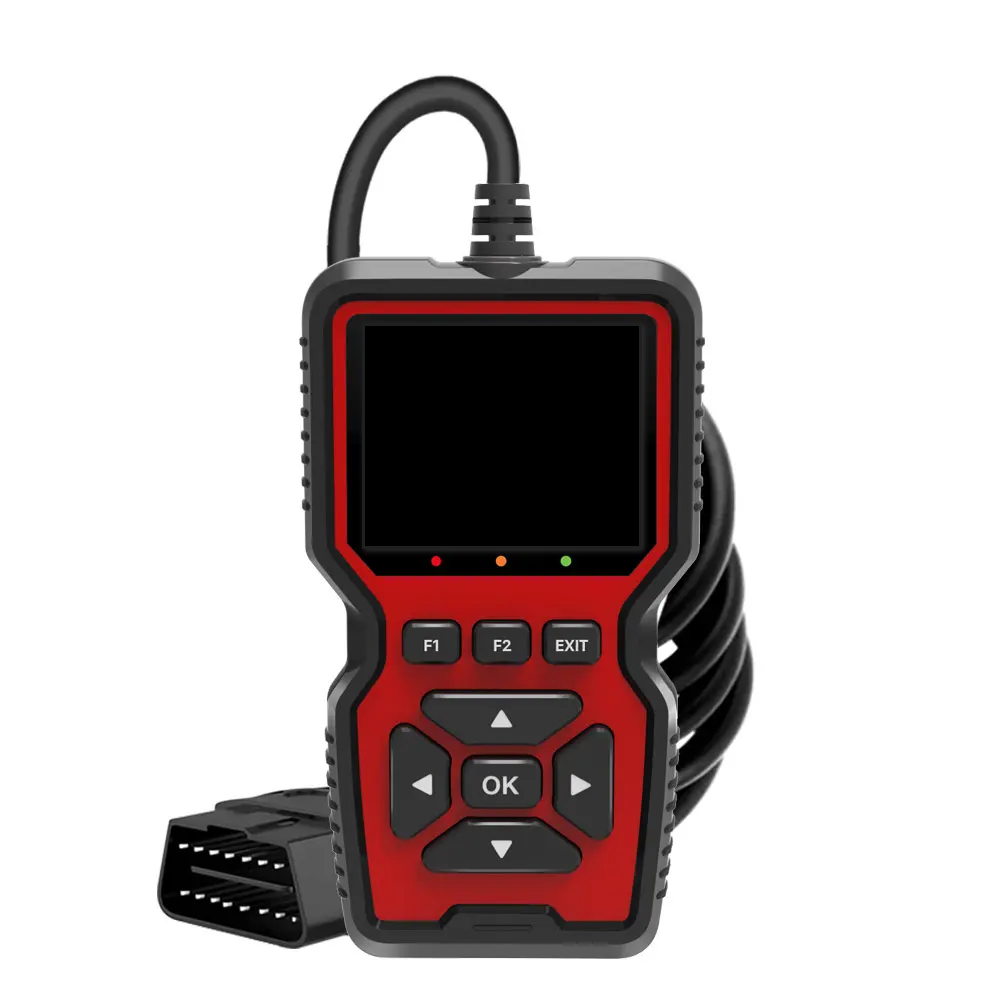
- Retrieve and Document DTCs: Use an OBD-II scan tool to confirm B1431 is active. Record any accompanying freeze frame data and other related codes. Clear codes after documentation to see if they immediately return.
- Visual Inspection:
- Locate the wiper brake/run relay. Consult the vehicle’s service information for its precise location (often in an under-hood fuse box, interior fuse panel, or integrated into the SJB/FEM).
- Inspect the relay and its socket for signs of physical damage, overheating, corrosion, or loose terminals.
- Thoroughly inspect the wiring harness leading to and from the relay, as well as to the wiper motor and the BCM. Look for chafing, cuts, pinch points, or signs of rodent damage. Check all related connectors for corrosion or bent pins.
- Relay Testing:
- Remove the wiper brake/run relay.
- Using a Digital Multimeter (DMM), test the relay’s coil resistance (terminals 85 and 86 on a standard Bosch-style relay). Compare the reading to the manufacturer’s specifications. An open circuit or excessively high/low resistance indicates a faulty coil.
- Apply 12V and ground to the coil terminals (85 and 86) to energize the relay. Listen for an audible click. While energized, use the DMM to check for continuity across the load terminals (30 and 87). If the relay doesn’t click or fails the continuity test, it is faulty.
- Circuit Voltage and Continuity Checks (Relay Socket):
- With the relay removed and the ignition ON, use a DMM to check for battery voltage (B+) at the relay’s power input terminal (typically terminal 30). If no voltage, diagnose the fuse or upstream power supply wiring.
- Check for a proper ground connection at the relay socket’s ground terminal (if applicable, e.g., terminal 85 or 86, depending on the BCM’s control method).
- Command the wipers ON via the switch while monitoring the relay’s control signal terminals (85 and 86). The BCM should provide either 12V or ground to energize the relay coil. Absence of this signal indicates a problem with the BCM, wiper switch, or associated wiring.
- With the ignition OFF and the BCM disconnected (to prevent false readings), check for continuity between the relay’s output terminal (87) and the corresponding power input terminal at the wiper motor connector. Check for shorts to ground or shorts to voltage on this circuit.
- Wiper Motor Testing:
- If the relay and its associated circuits test good, disconnect the wiper motor connector.
- Consult the service manual for specific wiper motor resistance values and perform tests with the DMM.
- Carefully apply fused 12V power and ground directly to the wiper motor terminals (according to the service manual) to confirm basic motor operation and parking switch functionality. This helps distinguish between a motor issue and a control circuit problem.
Recommended Repairs and Solutions
- Replace the Faulty Wiper Brake/Run Relay: This is often the most common and straightforward solution if the relay tests faulty. Ensure the replacement relay matches the vehicle’s original equipment specifications for current rating and pin configuration.
- Repair or Replace Damaged Wiring: Carefully repair any detected open circuits, shorts, or compromised insulation in the wiring harness. Utilize proper wiring repair techniques, including soldering, heat-shrink tubing, and using OEM-grade connectors where necessary.
- Clean and Secure Electrical Connections: Disconnect and thoroughly clean any corroded or loose terminals at the relay socket, BCM connector, and wiper motor connector using electrical contact cleaner and a small brush. Apply dielectric grease upon reassembly to prevent future corrosion.
- Replace the Wiper Motor Assembly: If diagnostic tests confirm an internal failure within the wiper motor, such as a faulty parking switch or internal short, the entire wiper motor assembly typically requires replacement.
- Replace the Body Control Module (BCM) / Integrated Module: This should be considered a last resort, only after all other potential causes have been thoroughly investigated and ruled out. BCM replacement often requires specialized programming or configuration using a factory-level scan tool.