What Does Code B1432 Mean?
DTC B1432 signifies a detected condition within the vehicle’s wiper brake/run relay circuit where the Body Control Module (BCM) or a dedicated Wiper Control Module (WCM) senses an abnormal voltage potential. Specifically, the code indicates a “Short To Battery,” meaning the monitoring module has identified a continuous or intermittent connection of this circuit to a positive voltage source (typically 12V) when such a connection is not commanded or expected. This anomalous voltage presence suggests an electrical fault within the relay itself, its associated wiring, or potentially the control module, disrupting the intended operation of the windshield wiper system. The brake/run relay is crucial for controlling the wiper motor’s operational states, including normal running and precise parking (braking) of the wiper blades.
Common Symptoms
- Wipers operate continuously, even when switched off.
- Wipers fail to park correctly, stopping in an arbitrary position on the windshield.
- Erratic wiper operation, including incorrect speeds or intermittent functionality.
- Wipers fail to operate at all.
- An illuminated “Check Wiper System” or similar warning light on the instrument cluster.
- A discharged vehicle battery due to continuous circuit activation (in cases of a persistent short).
- A blown fuse for the wiper circuit (less common with a direct short to battery, but possible if the short draws excessive current).
What Causes the Code B1432?
- Faulty Wiper Brake/Run Relay: The most common cause, where the relay’s internal contacts are stuck closed, or there is an internal short, causing a constant power feed to the circuit.
- Damaged Wiring Harness: A chafed, pinched, or cut wire in the wiper brake/run relay circuit that is making unintended contact with a constant 12-volt power wire. This damage can occur anywhere from the BCM/WCM to the relay, or from the relay to the wiper motor.
- Corrosion in Electrical Connectors: Water intrusion or severe corrosion within the multi-pin connectors associated with the wiper relay, wiper motor, or BCM/WCM can create unintended electrical bridges, leading to a short to battery.
- Faulty Wiper Motor Assembly: Less common, an internal electrical short within the wiper motor itself could back-feed voltage into the relay’s output circuit.
- Internal Body Control Module (BCM) or Wiper Control Module (WCM) Fault: A rare but possible scenario where an internal defect in the controlling module erroneously provides 12V to the circuit or misinterprets voltage readings.
How to Diagnose and Troubleshoot
Diagnosis of B1432 requires a systematic approach using appropriate diagnostic tools:
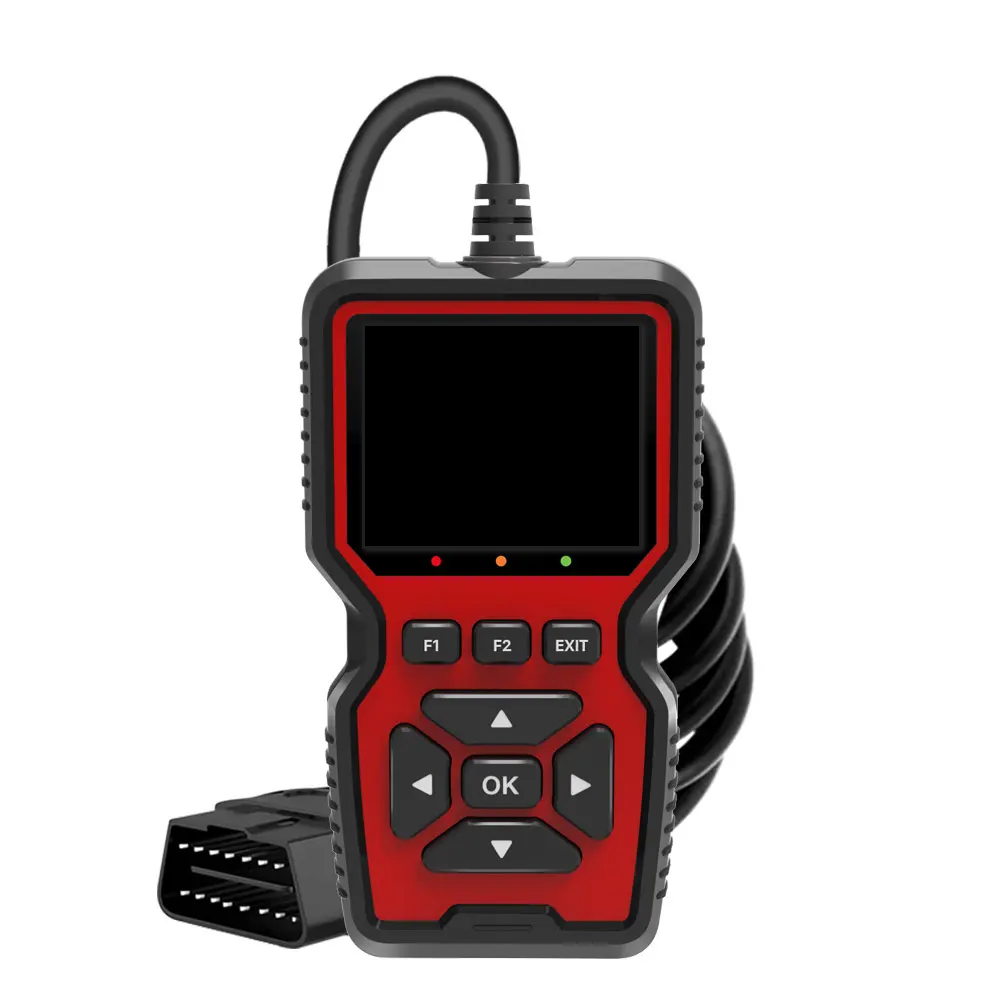
- Retrieve and Document DTCs: Connect an OBD-II scanner to confirm the presence of B1432. Note any other related B-codes or C-codes that might provide additional context. Clear the code and attempt to replicate the fault by operating the wipers through all modes.
- Visual Inspection:
- Begin with a thorough visual inspection of the wiper brake/run relay and its connector. Look for signs of corrosion, burning, loose terminals, or physical damage.
- Inspect the entire wiring harness leading from the wiper control module (BCM/WCM) to the relay, and from the relay to the wiper motor. Pay close attention to areas where the harness passes through the firewall, near moving parts, or areas prone to moisture ingress. Look for chafing, cuts, or pinches.
- Check for signs of water intrusion in the cowl area, fuse boxes, and around the BCM/WCM.
- Wiper System Functional Test: Manually operate the wipers through all available settings (intermittent, low, high, mist, wash) and observe their behavior. Note any abnormalities such as incorrect speed, failure to park, or continuous operation.
- Relay Testing:
- Locate the wiper brake/run relay (refer to the vehicle’s service manual for location, typically in an underhood fuse/relay box or an interior junction block).
- With the relay removed, use a Digital Multimeter (DMM) to test the relay’s coil resistance (terminals 85 and 86). Compare to manufacturer specifications (typically 80-120 ohms). An open circuit or extremely low resistance indicates a faulty coil.
- Apply 12V and ground to the coil terminals (85 and 86, ensuring correct polarity if diode-protected) and check for continuity across the switch terminals (30 and 87/87a). A lack of continuity when energized or continuity when de-energized indicates a faulty switch contact.
- As a quick check, if an identical, known-good relay from a non-critical circuit (e.g., horn relay) is available, temporarily swap it with the wiper relay and retest the system.
- Circuit Voltage and Continuity Checks (with DMM):
- At the Relay Socket (Relay Removed):
- Identify the power supply pin (usually 30) and the control input pin(s) from the BCM/WCM (e.g., 85, 86, or specific control pins) using a wiring diagram.
- With the ignition ON and wipers OFF, measure the voltage at the control input pin(s). These pins should typically be at or near 0V, or a specific commanded control voltage. If 12V is present here, it indicates a short to battery originating from the BCM/WCM or its wiring.
- Measure voltage at the output pin that goes to the wiper motor (e.g., 87) with the ignition ON and wipers OFF. If 12V is present here, it strongly suggests a short to battery in the wiring between the relay socket and the wiper motor, or an internal issue with the motor itself.
- At the Wiper Motor Connector (Motor Disconnected):
- Using the wiring diagram, identify the power input and control input pins at the wiper motor connector.
- With the ignition ON and wipers OFF, use the DMM to check for 12V on any of these pins that should not have power. Any unexpected 12V indicates a short to battery in the upstream wiring or components.
- If a suspect wire is identified, perform a continuity test from that wire’s terminal to other known 12V sources (e.g., battery positive, other power wires) with the battery disconnected to confirm a direct short.
- At the Relay Socket (Relay Removed):
- Wiper Motor Inspection: If testing points to the wiper motor, disconnect it and perform an internal resistance check. Look for extremely low resistance between power inputs and motor case ground, or between different motor control inputs, which could indicate an internal short.
Recommended Repairs and Solutions
Once the root cause of B1432 has been precisely identified through diagnosis, the appropriate repair can be made:
- Replace the Wiper Brake/Run Relay: If the relay is confirmed faulty through testing, replacing it with a new, OEM-specified relay is the primary solution. Ensure the new relay matches the specifications and part number precisely.
- Repair or Replace Damaged Wiring: If the diagnostic process identifies a chafed, cut, or shorted wire, the damaged section must be professionally repaired. This typically involves cutting out the damaged section, soldering in a new piece of wire of the correct gauge, and insulating with heat shrink tubing. Ensure the repaired section is properly loomed and routed to prevent future damage. In cases of extensive damage, replacement of the entire wiring harness section may be necessary.
- Clean or Replace Corroded Connectors: If corrosion is found, disconnect the battery and carefully clean the affected terminals using an electrical contact cleaner and a small wire brush. If the corrosion has caused significant damage to the terminals (e.g., pitting, deformation), the connector housing and/or individual terminals may need to be replaced. Apply dielectric grease to the cleaned connections to prevent future moisture ingress and corrosion.
- Replace the Wiper Motor Assembly: If the wiper motor itself is found to have an internal short or defect that causes the voltage anomaly, it will require replacement.
- Replace the Body Control Module (BCM) or Wiper Control Module (WCM): This is typically a last resort, after all other external components and wiring have been thoroughly inspected and ruled out. BCM/WCM replacement often necessitates specialized programming or coding to the vehicle using manufacturer-specific diagnostic tools.
- Post-Repair Verification: After any repair, clear the DTCs with an OBD-II scanner. Operate the windshield wipers through all settings and perform a road test to ensure full functionality, correct parking, and that the B1432 code does not return.