What Does Code B1433 Mean?
The diagnostic trouble code B1433 signifies a “Wiper Brake/Run Relay Circuit Short To Ground.” This code indicates that the Engine Control Module (ECM/PCM) has detected an electrical short circuit to ground within the control or power supply circuit of the wiper brake/run relay. The wiper system relies on precise control of its motor to facilitate various speeds, intermittent operation, and proper parking. The brake/run relay circuit is integral to managing these states, specifically dictating whether the wiper motor is in its ‘run’ mode (for continuous or intermittent sweep) or its ‘brake/park’ mode (to bring the wipers to their designated resting position). The ECM/PCM monitors the voltage and current flow through this critical circuit. When an unintended, low-resistance path to chassis ground is identified – manifesting as an abnormally low voltage reading or excessive current draw in the circuit – the ECM/PCM registers this anomaly as a short to ground, illuminating the Malfunction Indicator Lamp (MIL) or a specific warning light, and storing the B1433 code. This condition directly impairs the ECM/PCM’s ability to command and control the wiper system effectively.
Common Symptoms
- Wiper system inoperative: Wipers may not function at all, regardless of switch position.
- Wipers stuck in one position: Wipers may remain frozen on the windshield or in their park position.
- Wipers not parking correctly: Wipers may stop mid-sweep or fail to return to their lowest resting point when turned off.
- Intermittent wiper operation: Wipers may work sporadically or only at certain speeds.
- Blown fuses: The fuse protecting the wiper brake/run circuit may repeatedly blow due to the short to ground.
- Wiper motor continuous operation: In some cases, the short may cause the wipers to run continuously without control.
What Causes the Code B1433?
- Damaged wiring harness: Frayed, chafed, pinched, or cut wiring in the wiper brake/run relay circuit, allowing a conductor to contact chassis ground.
- Faulty Wiper Brake/Run Relay: An internal short circuit within the relay itself, causing current to bypass the intended path to ground prematurely.
- Faulty Wiper Motor Assembly: An internal short within the wiper motor windings, brush assembly, or park switch mechanism that shorts the brake/run circuit to the motor casing (ground).
- Corrosion or moisture intrusion: Water or moisture ingress into electrical connectors, junction blocks, or fuse boxes, creating a conductive path to ground.
- Faulty Body Control Module (BCM) or Integrated Power Module (IPM): While less common, an internal short within the control module that manages the wiper system’s power or ground-side switching could cause this fault.
How to Diagnose and Troubleshoot
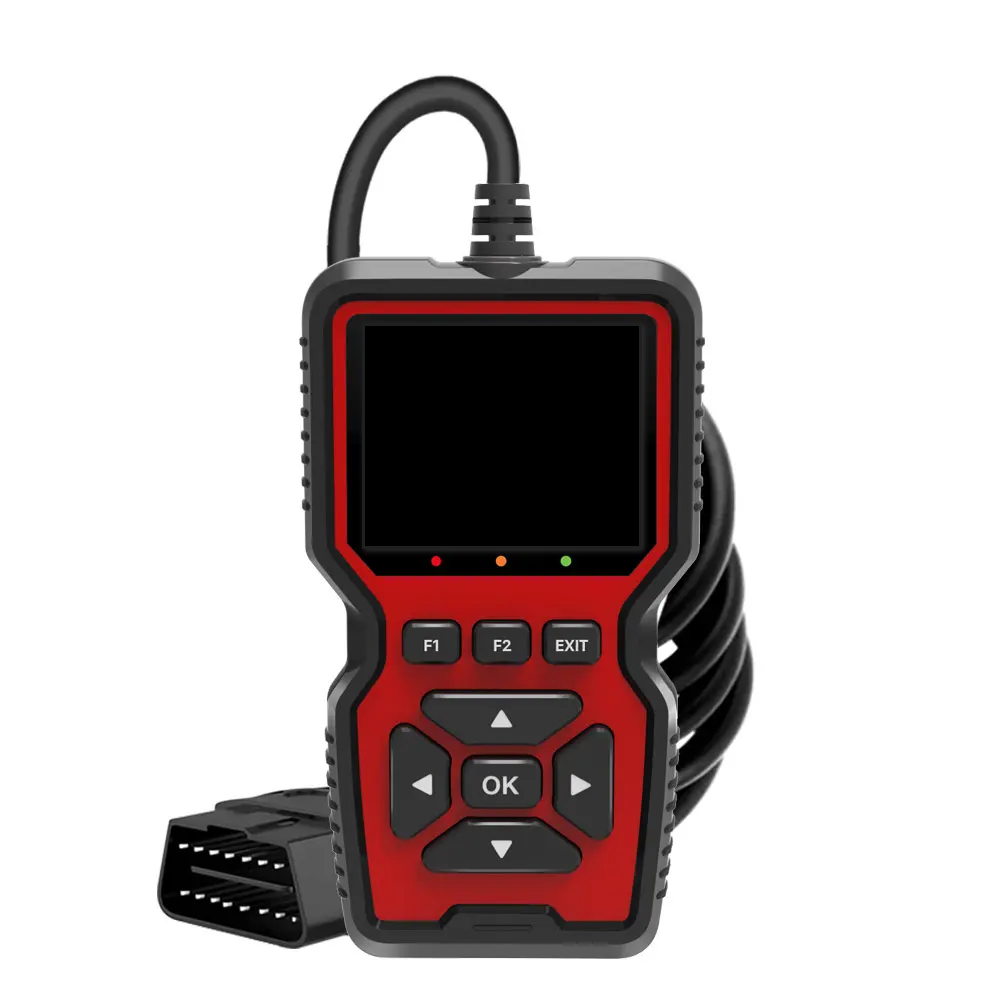
Diagnosing B1433 requires a systematic approach using an OBD-II scanner, a digital multimeter (DMM), and thorough visual inspection.
- Retrieve and Document Freeze Frame Data: Connect an OBD-II scanner to record any stored codes and freeze frame data. This provides context for the conditions under which the fault occurred. Clear the code after documentation.
- Perform a Thorough Visual Inspection: Carefully inspect the entire wiper system wiring harness, from the ECM/PCM (or associated body control module) to the wiper relay and wiper motor. Look for obvious signs of damage, such as chafing, pinching, corrosion, or loose connectors. Pay close attention to areas where wiring passes through firewalls, near sharp edges, or through grommets.
- Check Wiper System Fuses: Locate and inspect all fuses related to the wiper system, including the wiper motor, wiper relay, and any associated control modules. A blown fuse often confirms a direct short; however, replace it only for testing, as it will likely blow again until the short is rectified.
- Test the Wiper Brake/Run Relay:
- Locate the wiper brake/run relay. Consult a wiring diagram for pin identification.
- Remove the relay. Using a DMM, check for proper power (12V) at the relay’s B+ terminal and a good ground at the relay’s ground terminal in the socket with the ignition on.
- Test the relay itself: Apply 12V and ground to the coil terminals and measure continuity across the switch terminals. Ensure the relay clicks audibly and provides continuity when energized, and infinite resistance when de-energized. An internal short may present as unexpected continuity or low resistance where there should be infinite.
- Alternatively, swap the suspect relay with a known good relay of the same type (if available) to see if the code clears or symptoms change.
- Isolate and Test the Wiper Brake/Run Circuit for Shorts to Ground: This is the most crucial step for B1433.
- Disconnect the wiper brake/run relay and the electrical connector at the wiper motor assembly. This isolates the wiring between the control module and the motor.
- Using a DMM set to resistance (ohms), measure the resistance between the suspect wire(s) (identified from the wiring diagram, typically the control wire from the module to the relay coil, or the power output wire from the relay to the motor) and a known good chassis ground point.
- A reading close to 0 ohms indicates a direct short to ground in the wiring. An infinite resistance (OL or ‘open loop’) would indicate no short in that section.
- If a short is detected, visually inspect the wiring harness along its entire path, gently wiggling sections of the harness while observing the DMM for changes in resistance. This can help pinpoint intermittent shorts.
- Test the Wiper Motor Assembly: If the wiring and relay are confirmed good, the wiper motor itself could be internally shorted.
- With the wiper motor disconnected, check the resistance between each motor terminal and the motor casing (ground). An abnormally low resistance (near 0 ohms) on any terminal suggests an internal short.
- Consult service information for specific resistance values for the wiper motor windings and park switch circuit.
- Verify Control Module Output (Advanced): If all external components and wiring are sound, the issue might lie within the ECM/PCM or associated control module. This often requires an oscilloscope to monitor the control signal output for proper voltage and pulse width modulation (PWM) if applicable, and to confirm the module is not internally shorting the circuit. This step typically requires specialized diagnostic equipment and expertise.
Recommended Repairs and Solutions
Once the source of the short to ground has been positively identified, the following repairs are typically recommended:
- Repair or Replace Damaged Wiring: For chafed or cut wiring, carefully repair the section using heat-shrink butt connectors or by splicing in a new section of wire of the correct gauge. Ensure all repairs are weatherproofed. If the damage is extensive or affects multiple wires, replacing the entire wiring harness section might be more practical and reliable.
- Replace the Faulty Wiper Brake/Run Relay: If the relay’s internal short is confirmed, replace it with a new, OEM-specification relay. Always ensure the replacement relay matches the original’s electrical ratings.
- Replace the Faulty Wiper Motor Assembly: If internal shorts are detected within the wiper motor, the entire motor assembly typically needs to be replaced. Ensure the new motor is properly installed and connected, and test its full range of motion.
- Clean Corroded Connectors: If corrosion was found, disconnect the affected connectors, clean the terminals thoroughly with electrical contact cleaner and a small brush, then apply dielectric grease to prevent future corrosion.
- Address Moisture Intrusion: Identify and seal any sources of water leaks that are causing moisture to enter electrical components or wiring harnesses.
- Replace Control Module (If Confirmed Faulty): If the ECM/PCM or a dedicated body control module is definitively diagnosed as the cause, it must be replaced. This often requires programming or flashing the new module to the vehicle’s specific VIN and options using a factory scan tool.
After any repair, clear the diagnostic trouble code using an OBD-II scanner, then perform several cycles of wiper operation to verify the repair and ensure the B1433 code does not return.