What Does Code P1726 Mean?
DTC P1726 signifies “Insufficient Engine Speed Decrease During Self Test,” a manufacturer-specific code predominantly found in Ford vehicles. This code is typically set when the Powertrain Control Module (PCM), also known as the Engine Control Module (ECM), performs a Key On Engine Running (KOER) self-test. During specific stages of this diagnostic routine, the PCM commands a reduction in engine speed, often by controlling the Idle Air Control (IAC) valve or other idle speed mechanisms. The PCM then monitors the Crankshaft Position (CKP) sensor input to measure the actual engine RPM decrease. If the observed engine speed reduction is less than the pre-calibrated threshold within a specified timeframe, the PCM interprets this as an inadequate decrease, concluding that the engine is not decelerating as expected, and subsequently sets DTC P1726. This indicates a malfunction in the engine’s ability to reduce idle speed, which could stem from issues with idle air control, unmetered air induction, or throttle plate operation.
Common Symptoms
- Check Engine Light (CEL) Illumination: The primary and often only immediate indicator.
- Elevated or Erratic Idle Speed: The engine may idle higher than normal or exhibit inconsistent RPMs at idle.
- Slow Engine Deceleration: The engine RPM may “hang” or take an abnormally long time to return to idle after the throttle is released.
- Reduced Fuel Economy: Due to the engine operating at a higher RPM than necessary, especially during idle and deceleration.
- Rough Idling: In some cases, an inability to properly control idle speed can lead to an unstable idle.
What Causes the Code P1726?
- Faulty Idle Air Control (IAC) Valve: A common cause is an IAC valve that is stuck open, partially open due to carbon buildup, or electrically malfunctioning, preventing the PCM from effectively reducing the bypass air and thus engine speed.
- Vacuum Leaks: Any source of uncontrolled air entering the intake manifold downstream of the throttle body (e.g., cracked vacuum hoses, leaky intake manifold gaskets, faulty PCV valve/system, brake booster diaphragm leaks) will cause an unmetered air supply, preventing the engine from decelerating sufficiently.
- Sticking Throttle Plate/Body: Excessive carbon buildup around the throttle plate or a mechanical fault within the throttle body assembly can prevent the throttle plate from fully closing, allowing too much air into the engine.
- Malfunctioning Throttle Position Sensor (TPS): An inaccurate or erratic TPS signal could lead the PCM to misinterpret the throttle plate position, potentially causing it to maintain a higher idle speed or failing to recognize a closed-throttle condition during the self-test.
- Damaged or Clogged PCV Valve/System: A PCV valve that is stuck open or a leak in the associated hoses can act as a significant vacuum leak.
- PCM Software Glitch or Internal Fault: While less common, an internal PCM issue or corrupted software could lead to incorrect self-test parameters or control strategies.
How to Diagnose and Troubleshoot
A systematic approach using diagnostic tools and visual inspection is crucial:
- OBD-II Scanner Data Analysis:
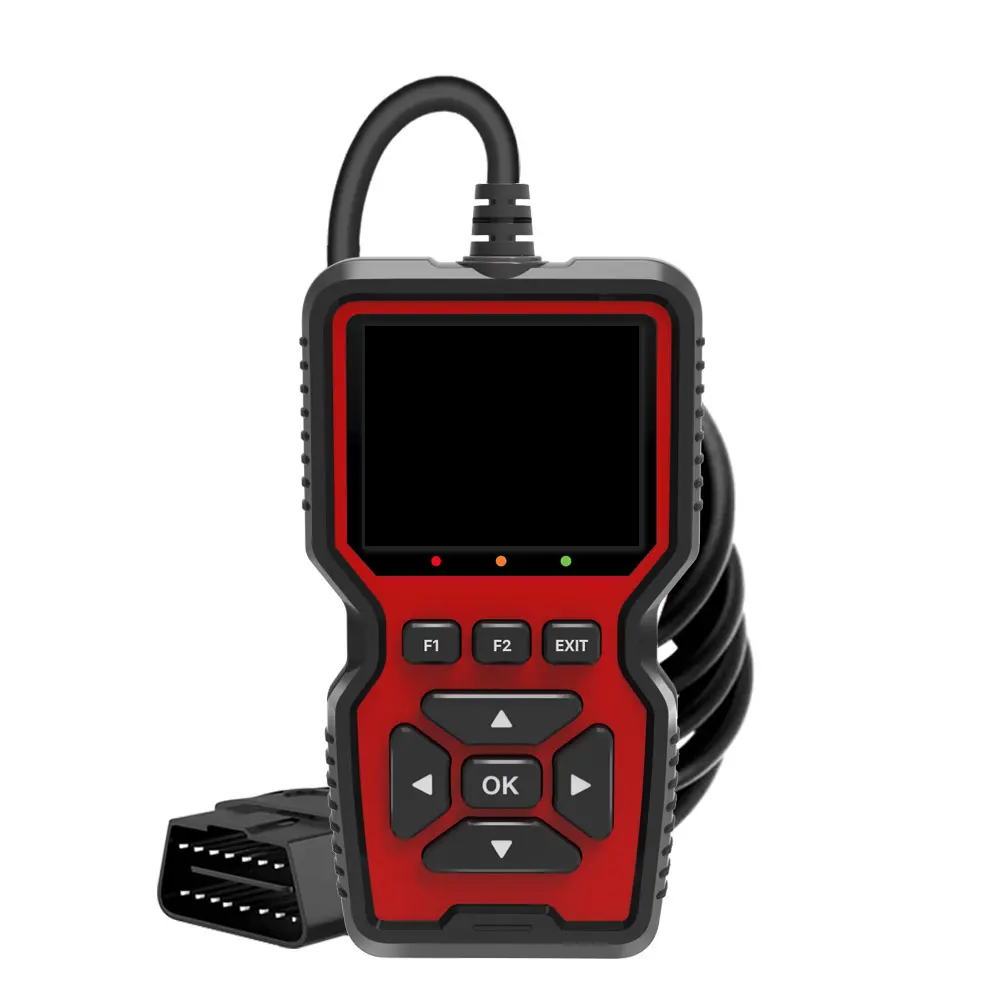
- Connect an OBD-II scanner and retrieve all stored DTCs and freeze frame data. Note the engine operating conditions when P1726 was set.
- Monitor live data streams, specifically: Engine RPM, IAC valve duty cycle/position (if available), Throttle Position Sensor (TPS) voltage/percentage, Short-Term Fuel Trims (STFT), and Long-Term Fuel Trims (LTFT).
- At idle, observe TPS voltage; it should typically be below 1.0V (or 0% – 5%) with the throttle closed. Elevated or erratic TPS readings at closed throttle can indicate a faulty TPS or throttle body issue.
- High positive STFT and LTFT values at idle are strong indicators of a vacuum leak.
- Visual Inspection:
- Carefully inspect all vacuum lines, PCV hoses, and fittings for cracks, disconnections, or deterioration.
- Examine the intake manifold gaskets for signs of leaks (e.g., oil residue, whistling sound).
- Inspect the throttle body for excessive carbon buildup around the throttle plate. Manually operate the throttle linkage to ensure the plate opens and closes smoothly and fully seats in the bore.
- Check the electrical connector and wiring for the IAC valve and TPS for damage, corrosion, or looseness.
- IAC Valve Testing:
- With the engine at operating temperature and idling, carefully disconnect the electrical connector to the IAC valve. If the engine RPM drops significantly or stalls, the IAC valve was likely operational but possibly not closing fully. If there is no significant change, the valve may be stuck open.
- Using a Digital Multimeter (DMM), check for proper voltage supply (typically B+) and a clean ground signal at the IAC connector with the key in the ON position (refer to vehicle-specific wiring diagrams).
- Measure the resistance of the IAC valve solenoid coil across its terminals. Compare the reading to manufacturer specifications. An out-of-spec reading indicates an internal fault.
- If a bidirectional scanner is available, attempt to command the IAC valve to different positions and observe engine RPM changes.
- Vacuum Leak Detection:
- Utilize a smoke machine to introduce smoke into the intake system. Observe for smoke escaping from any hoses, gaskets, or components, indicating a leak.
- Alternatively, carefully spray unlit propane gas or carburetor cleaner (with extreme caution, ensuring adequate ventilation and no open flames) around suspected vacuum leak areas. A momentary increase in engine RPM or change in idle quality indicates a leak location.
- Throttle Position Sensor (TPS) Verification:
- Monitor the TPS voltage via the scanner while slowly opening and closing the throttle by hand. The voltage should increase smoothly from its closed-throttle value (e.g., 0.5-1.0V) to near 4.5-5.0V at Wide Open Throttle (WOT) without any dropouts or spikes. Any erratic readings indicate a faulty TPS.
Recommended Repairs and Solutions
Once the root cause is identified through diagnosis, implement the following repairs:
- Clean or Replace IAC Valve: If carbon buildup is evident, attempt to clean the IAC valve with a dedicated throttle body cleaner. If cleaning does not resolve the issue, or if electrical tests confirm a fault, replace the IAC valve with an OEM quality part.
- Repair Vacuum Leaks: Replace any hardened, cracked, or disconnected vacuum hoses, PCV valve, PCV hoses, or intake manifold gaskets as identified during the diagnostic process. Ensure all unused vacuum ports are properly capped.
- Clean Throttle Body: Thoroughly clean the throttle bore and the edges of the throttle plate using a suitable throttle body cleaner to remove all carbon buildup, ensuring the throttle plate can fully close and seat properly.
- Replace Throttle Position Sensor (TPS): If the TPS is found to be faulty (erratic readings, incorrect voltage), replace it. Ensure proper calibration or adjustment if the replacement sensor requires it according to manufacturer instructions.
- Repair Wiring/Connectors: Repair any damaged, frayed, or corroded wiring and connectors leading to the IAC valve, TPS, or other relevant sensors to ensure proper electrical signal integrity.
- Perform PCM Relearn Procedure: After replacing or cleaning components that affect idle speed, it is often necessary to perform a PCM idle relearn procedure. This allows the PCM to adapt to the new component’s characteristics. Consult the vehicle service manual for the specific procedure, which may involve a series of ignition cycles, specific driving conditions, or a scanner-initiated command.
- Verify Repair: After any repairs, clear the DTC P1726 from the PCM memory and perform the KOER self-test (or relevant diagnostic monitors) again to confirm the issue is resolved and the code does not return. Monitoring live data during a test drive can provide further confidence.