What Does Code C1846 Mean?
DTC C1846 indicates an Air Suspension Front Inflator Solenoid Output Circuit Open. This chassis (C-body) diagnostic trouble code specifically points to an electrical fault within the circuit controlling the front air spring inflator solenoid. The Suspension Control Module (SCM), sometimes referred to as the Air Suspension Control Module (ASCM), monitors the electrical integrity of various components within the air suspension system. When the SCM/ASCM detects an open circuit condition in the wiring or within the solenoid itself for the front air spring inflator, it sets this code. An “open circuit” implies a break in the electrical path, preventing current from flowing to the solenoid, thereby rendering it inoperable. This means the SCM/ASCM cannot command the front air springs to inflate or deflate as required to maintain proper ride height and suspension characteristics, leading to a loss of control over front axle leveling.
Common Symptoms
- Vehicle front end sitting noticeably lower than normal, or “squatting.”
- Uneven ride height, with the front lower than the rear or one side of the front lower than the other.
- Harsh ride quality, especially over bumps, due to the suspension potentially bottoming out or riding on bump stops.
- Dashboard warning messages such as “SERVICE AIR SUSPENSION,” “AIR SUSPENSION FAULT,” or an illuminated suspension system indicator light.
- Inability to adjust vehicle height manually using suspension controls.
- Excessive running or non-operation of the air suspension compressor as the system tries, or fails, to correct ride height.
What Causes the Code C1846?
- Open Circuit in Wiring Harness: Damaged, frayed, or severed wiring between the Suspension Control Module (SCM/ASCM) and the front air spring inflator solenoid, preventing electrical current flow.
- Faulty Front Air Spring Inflator Solenoid: An internal electrical failure within the solenoid coil itself, leading to an infinite resistance and thus an open circuit.
- Corroded or Damaged Electrical Connectors: Poor electrical contact at the solenoid connector or the SCM/ASCM connector due to corrosion, bent pins, or other physical damage.
- Blown Fuse: A fuse protecting the air suspension solenoid circuit may have blown, effectively creating an open circuit to the solenoid (though this usually implies a previous short circuit condition).
- Faulty Suspension Control Module (SCM/ASCM): Although less common, an internal failure within the control module itself could cause it to incorrectly detect an open circuit or fail to provide the necessary voltage or ground to the solenoid.
How to Diagnose and Troubleshoot
Begin diagnosis with a comprehensive visual inspection of the air suspension system, focusing on the front air spring components, wiring harnesses, and electrical connectors for any obvious signs of damage, corrosion, or rodent activity. Ensure the vehicle is safely supported on a lift or jack stands before proceeding with underbody inspection.
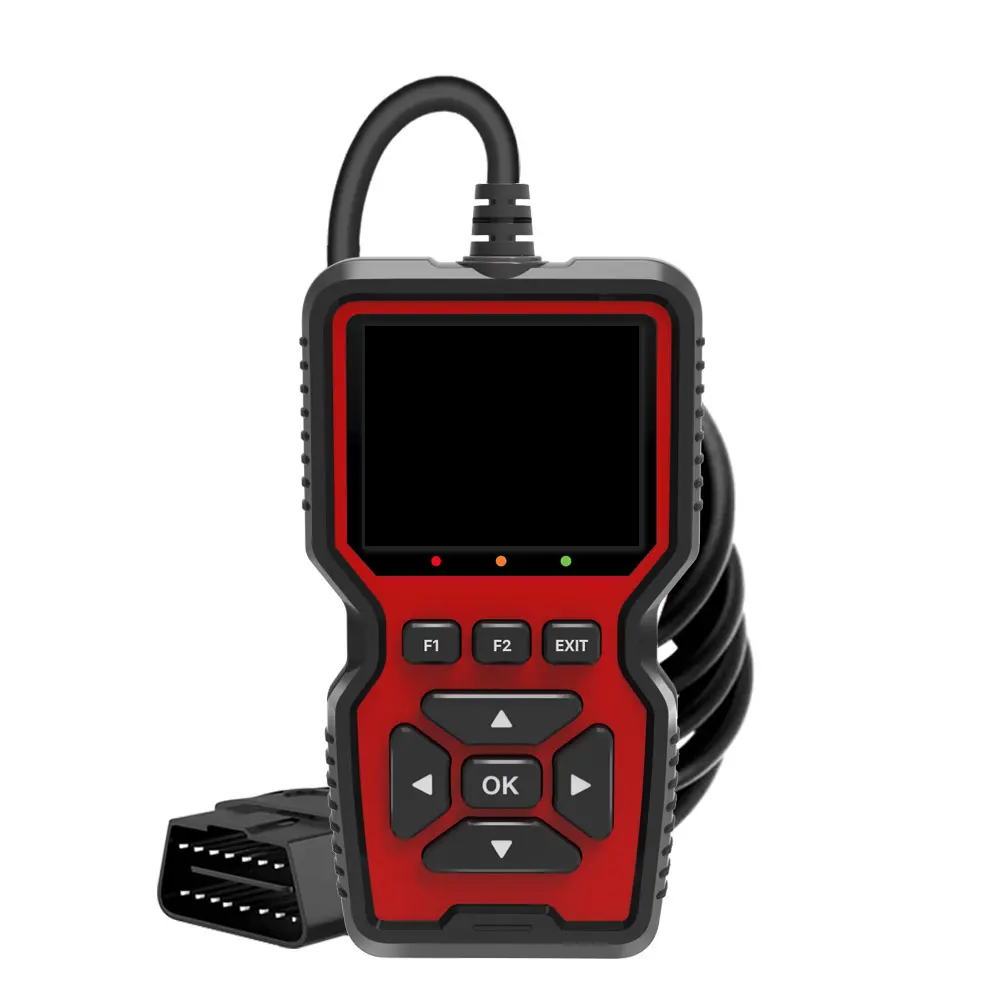
- Scan Tool Check: Connect an advanced OBD-II diagnostic scanner capable of communicating with the SCM/ASCM. Read all stored and pending DTCs, and analyze freeze frame data if available. Check for live data parameters related to the front air suspension, such as commanded solenoid states and actual pressure readings. Attempt to actuate the front air spring inflator solenoid using bidirectional controls on the scanner; listen for an audible click from the solenoid.
- Electrical Resistance Test (Solenoid):
- Locate and disconnect the electrical connector from the front air spring inflator solenoid.
- Using a Digital Multimeter (DMM) set to ohms, measure the resistance across the two terminals of the solenoid itself.
- Compare the reading to the manufacturer’s specifications (typically found in the service manual, usually in the range of 5-30 ohms). An “OL” (open loop) or infinite resistance reading indicates an internal open circuit within the solenoid.
- Wiring Harness Continuity and Short Circuit Test:
- If the solenoid tests good, disconnect the SCM/ASCM connector.
- Using the DMM, check for continuity in both the power and ground wires of the front inflator solenoid circuit from the SCM/ASCM connector to the solenoid connector. An open circuit in either wire will be indicated by an “OL” reading.
- Additionally, check for shorts to ground by placing one DMM lead on each wire terminal (disconnected from solenoid and SCM/ASCM) and the other lead to a known good chassis ground. Any low resistance reading indicates a short.
- Check for shorts to voltage by placing one DMM lead on each wire terminal (disconnected from solenoid and SCM/ASCM) and the other lead to a known power source (e.g., battery positive). Any low resistance reading indicates a short.
- Voltage Supply Test:
- Reconnect the SCM/ASCM connector and the solenoid connector.
- Carefully back-probe the power and ground wires at the front air spring inflator solenoid connector using the DMM while the SCM/ASCM is commanded to activate the solenoid (either via scan tool or by driving if condition allows).
- Verify that the SCM/ASCM is supplying the correct voltage (typically battery voltage) and a good ground to the solenoid circuit when commanded ON.
Recommended Repairs and Solutions
Once the diagnostic steps have pinpointed the cause, the following repairs are typically recommended:
- Repair or Replace Wiring Harness: If an open circuit is identified in the wiring, repair the damaged section using appropriate automotive wiring repair techniques, such as soldering and heat-shrink tubing, or specialized crimp connectors designed for automotive use. If the damage is extensive, consider replacing the entire harness section.
- Replace Front Air Spring Inflator Solenoid: If the resistance test indicates an internal open circuit within the solenoid, the solenoid is faulty and requires replacement. In many modern air suspension systems, the inflator solenoid is integrated directly into the air spring strut assembly, necessitating replacement of the entire strut.
- Clean or Replace Electrical Connectors: If corrosion or damage is found at the electrical connectors, clean the terminals thoroughly using specialized electrical contact cleaner and a fine-bristle brush. If the pins are bent, broken, or severely corroded beyond cleaning, replace the connector housing and individual terminals as needed.
- Check and Replace Blown Fuse: If a blown fuse is discovered, replace it with a fuse of the correct amperage. It is crucial to then investigate the underlying cause for the fuse blowing, as it often indicates a short circuit elsewhere in the system.
- SCM/ASCM Replacement: Replacing the Suspension Control Module should be considered a last resort, only after meticulously ruling out all other potential causes. Module replacement often requires specialized programming and calibration procedures using a factory-level scan tool.
Mechanic’s Tip: Always consult the vehicle’s specific service information for accurate wiring diagrams, component locations, precise resistance specifications, and detailed diagnostic flowcharts. When working with air suspension systems, ensure the system is properly depressurized before removing any components to prevent injury or damage. After any repair, clear the DTCs and perform a functional test of the air suspension system, including calibrating ride height if required by the manufacturer.