What Does Code B1481 Mean?
DTC B1481 indicates a Wiper Washer Fluid Level Sensor Circuit Short To Battery. This diagnostic trouble code signifies that the Body Control Module (BCM) or an equivalent integrated control module, which is responsible for monitoring the vehicle’s body electrical systems, has detected an abnormally high voltage reading on the circuit dedicated to the windshield washer fluid level sensor. The sensor, typically a two-wire resistive type or a simple float switch, provides a signal to the BCM that varies with the fluid level. In a normally functioning system, this signal voltage fluctuates or switches states (e.g., high for full, low for empty, or a resistance range) within a predefined operational window. A “short to battery” condition means the sensor’s signal wire is continuously receiving a voltage approximate to the vehicle’s battery voltage (typically 12-14V), which is higher than the expected signal voltage range for a properly functioning sensor at any fluid level. The BCM interprets this constant high voltage as an illogical or erroneous input, often falsely indicating a permanently full reservoir or a wiring fault directly to a constant power source. This fault prevents the BCM from accurately determining the actual washer fluid level.
Common Symptoms
- Wiper Washer Fluid Level Warning Light Illuminated Continuously: The most common symptom, where the dashboard warning light stays on even when the reservoir is confirmed to be full, or fails to illuminate when the fluid is low.
- Incorrect Washer Fluid Level Display: If the vehicle has a multi-function display, it may consistently show the washer fluid level as “Full” regardless of the actual quantity.
- No Washer Fluid Level Warning When Low: The system may fail to alert the driver when the fluid reservoir is actually depleted, leading to unexpected loss of washer function.
- Inoperative Windshield Washer System (Rare): In some advanced vehicle systems, a critical fault in the fluid level sensor circuit might trigger a fail-safe mode that disables the washer pump operation, although this is less common for a B1481 short to battery.
- No Apparent Symptoms Other Than Stored DTC: The vehicle’s main control systems may still allow washer operation, but the BCM will store the fault code, which can only be retrieved via an OBD-II scanner.
What Causes the Code B1481?
- Damaged Wiring Harness: The most frequent cause involves a section of the sensor’s signal wire chafing, melting, or otherwise contacting a positive voltage wire (e.g., a 12V power supply wire) within the vehicle’s wiring harness. This direct contact supplies battery voltage to the signal circuit.
- Faulty Wiper Washer Fluid Level Sensor: The sensor itself may have an internal short circuit, directing its own internal power supply voltage directly to the signal output pin, causing a continuous high voltage reading.
- Corrosion in Connectors: Water intrusion into the sensor connector or the BCM connector can lead to corrosion that bridges the sensor’s signal pin to an adjacent 12V power supply pin, creating an electrical short.
- Faulty Body Control Module (BCM): While less common, an internal short within the BCM could cause its input circuit for the washer fluid level sensor to be pulled high to battery voltage, independent of the external wiring or sensor.
How to Diagnose and Troubleshoot
Diagnosis of B1481 requires a systematic approach, utilizing a digital multimeter (DMM) and an OBD-II scanner:
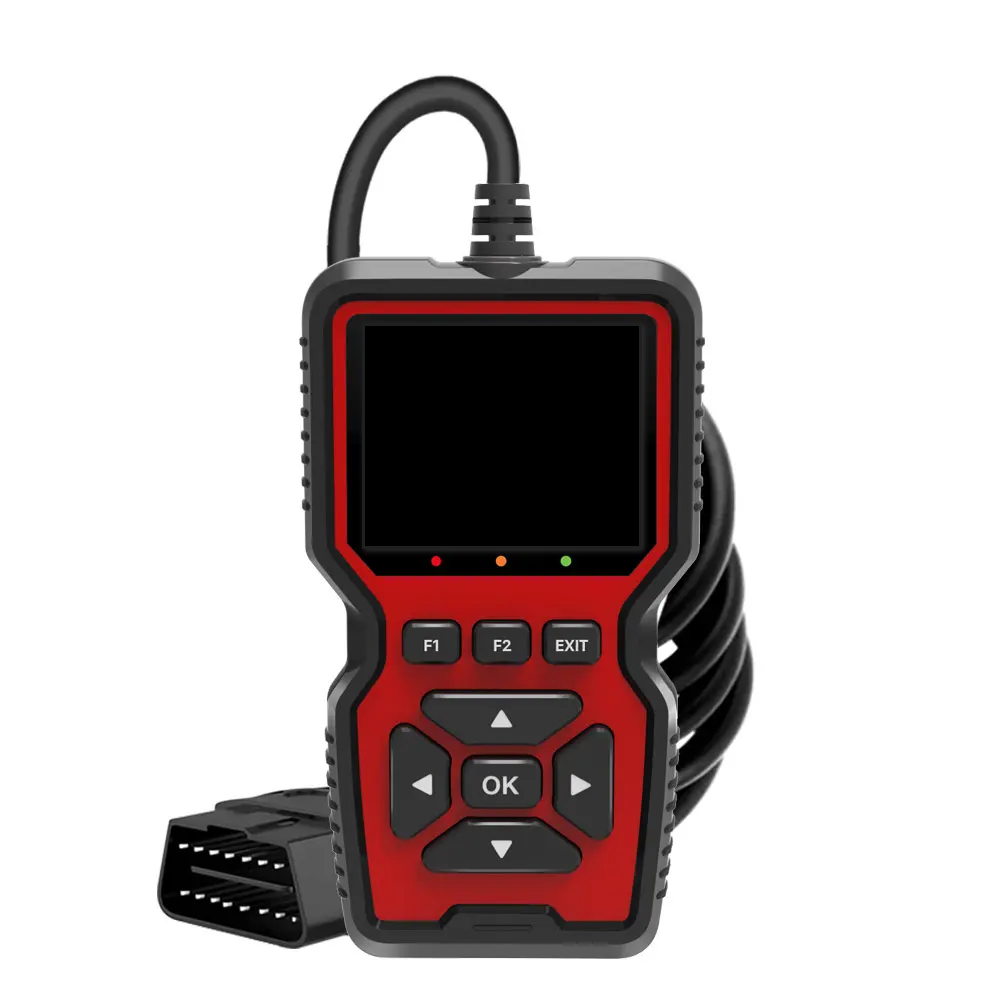
- Retrieve & Clear DTCs: Connect an OBD-II scanner and confirm B1481 is present. Check for any related codes. Clear the code and perform a drive cycle or re-test conditions to see if it immediately returns.
- Visual Inspection: Begin by visually inspecting the windshield washer fluid reservoir, the fluid level sensor mounted on it, and the associated wiring harness. Look for signs of physical damage, chafing, corrosion, melted insulation, or rodent damage from the sensor connector all the way back towards the BCM. Pay close attention to areas where the harness passes through firewalls, over sharp edges, or near heat sources. Inspect the sensor connector for bent pins, corrosion, or looseness.
- Scan Tool Live Data: With the ignition ON, access the BCM (or relevant module) live data stream using the OBD-II scanner. Monitor the parameter for “Wiper Washer Fluid Level” or similar. If the BCM constantly reports “Full” or a high voltage value regardless of the actual fluid level, it confirms the BCM is detecting a short to battery.
- Isolate the Sensor: Disconnect the electrical connector from the wiper washer fluid level sensor.
- Test Harness Side: With the sensor disconnected and ignition ON, use a DMM to measure the voltage between the sensor signal wire terminal (consult wiring diagram for pin identification) in the harness connector and chassis ground. If you measure approximately battery voltage (~12V-14V), the short to battery is present in the wiring harness between the sensor connector and the BCM.
- Test Sensor Side: If the harness side voltage is normal (i.e., not battery voltage) after disconnecting the sensor, the fault likely lies within the sensor itself. Test the sensor for internal resistance or switch continuity according to manufacturer specifications. Some sensors use a simple float switch; others are resistive. An internally shorted sensor may show unexpected continuity or a fixed low resistance when it should vary.
Recommended Repairs and Solutions
Based on the diagnostic findings, apply the following corrective actions:
- Repair Damaged Wiring Harness: If the diagnostic steps identify a short to battery within the wiring harness, the damaged section must be meticulously repaired. This involves isolating the damaged wire, cutting out the compromised section, and splicing in a new wire segment using appropriate soldering techniques and heat-shrink tubing for environmental protection. Reroute the repaired section to prevent future chafing or contact with hot or sharp components.
- Replace Faulty Wiper Washer Fluid Level Sensor: If the sensor is found to be internally shorted, providing an erroneous high voltage signal, it must be replaced. Use an OEM or high-quality aftermarket sensor to ensure compatibility and reliability. Ensure the new sensor is correctly installed and sealed in the washer fluid reservoir to prevent leaks.
- Clean or Repair Corroded Connectors: If corrosion is present in the sensor or BCM connectors, use a specialized electrical contact cleaner and a small brush to thoroughly clean the terminals. If pins are severely corroded, bent, or damaged, they should be carefully replaced using appropriate terminal repair kits, or the entire connector assembly may need to be replaced. Apply dielectric grease to the terminals after cleaning to prevent future corrosion.
- Replace Body Control Module (BCM): Only consider BCM replacement as a last resort, after meticulously ruling out all other possibilities. A BCM replacement often requires specialized diagnostic equipment for programming and coding to the vehicle’s VIN and options. This is typically a job for a dealership or a highly equipped independent shop.
- Post-Repair Verification: After completing any repairs, clear all stored DTCs using an OBD-II scanner. Refill the washer fluid reservoir (if emptied) and perform several operational cycles of the windshield washer system. Monitor the live data for the washer fluid level sensor via the scan tool to ensure it now reports correctly. Verify that the dashboard warning light functions as expected by checking with both full and low fluid levels.