What Does Code C1179 Mean?
Diagnostic Trouble Code C1179, often categorized as a chassis code, indicates a malfunction within the vehicle’s speed control system, specifically identifying a Speed Control Actuator Assembly Cable Slack Failure. This code is typically set by the Powertrain Control Module (PCM), Cruise Control Module (CCM), or an integrated Body Control Module (BCM) or ABS/Traction Control Module if it manages the cruise control function. The module detects that the mechanical cable linking the speed control actuator (often referred to as the cruise control servo) to the throttle body has excessive slack or is not effectively transmitting the actuator’s input to the throttle plate.
The control module continuously monitors the operational parameters of the speed control system. This involves comparing the commanded position of the speed control actuator with feedback from the actuator’s internal position sensor (e.g., a potentiometer or Hall effect sensor) and the actual throttle plate position reported by the Throttle Position Sensor (TPS). When the module commands the actuator to engage and pull the throttle cable, it expects a corresponding change in the TPS reading and, consequently, engine RPM and vehicle speed. If the actuator reports that it is extending/contracting as commanded, but the TPS signal indicates insufficient or no throttle plate movement, or if the actuator’s internal feedback suggests an inability to achieve the commanded cable tension, the module infers that there is a problem with the mechanical connection, specifically excessive slack in the cable assembly, and sets code C1179.
Common Symptoms
- Inoperative Cruise Control System: This is the most prevalent symptom, where the cruise control simply fails to activate or maintain a set speed.
- Intermittent Cruise Control Functionality: The system may work sometimes but fail at others, especially if the cable slack is marginal or variable.
- Illuminated Malfunction Indicator Lamp (MIL): While often a ‘C’ code, it can trigger the Check Engine Light on the dashboard if the PCM is directly involved in cruise control fault detection, or an ABS/Traction Control warning light depending on system integration.
- Erratic Engine Speed or Throttle Response: In rare cases, if the cable is binding or partially seized due to damage rather than just slack, it could lead to the throttle not fully returning to idle or not opening completely.
- Inability to Accelerate/Decelerate using Cruise Controls: Even if the system initially engages, the set/resume buttons may not effectively change vehicle speed.
What Causes the Code C1179?
- Stretched or Fatigued Speed Control Cable: Over extended periods of use, the steel strands within the cable can stretch, or individual strands can break, leading to an increase in overall cable length and excessive slack.
- Disconnected Speed Control Cable: The cable end may have physically detached from the speed control actuator lever or the throttle body linkage point due to a broken retaining clip, grommet, or wear.
- Damaged Speed Control Cable Housing: The outer protective casing of the cable can become brittle, crack, or deform, causing the inner cable to bind or creating an effective increase in cable slack by altering its fixed length.
- Seized or Binding Throttle Body Mechanism: If the throttle plate, shaft, or return spring mechanism within the throttle body is sticking or has excessive carbon buildup, the speed control actuator may not be able to pull the cable sufficiently to overcome the resistance, mimicking cable slack.
- Faulty Speed Control Actuator Assembly: While the code specifically points to cable slack, internal mechanical failure within the actuator itself (e.g., stripped gears, a broken internal lever, or a weak motor) could prevent it from adequately pulling the cable, even if the cable itself is intact and connected.
- Improper Cable Adjustment: After a previous repair or component replacement, the speed control cable might not have been correctly adjusted to the manufacturer’s specifications, resulting in excessive initial slack.
How to Diagnose and Troubleshoot
Diagnosing C1179 requires a methodical approach, focusing primarily on the mechanical linkage and related components.
- Visual Inspection of the Speed Control Cable and Linkage:
- Locate the speed control actuator (often mounted on the firewall or fender well) and trace its cable to the throttle body.
- Inspect both ends of the cable for detachment, fraying, kinks, or obvious physical damage. Ensure all retaining clips and grommets are intact and properly seated.
- Check the entire length of the cable housing for cracks, severe bends, or signs of wear that could impede the inner cable’s movement.
- Manually operate the throttle body lever to assess its freedom of movement and smooth return to the idle stop. Check for any binding or sticking points.
- With the engine off and key in the RUN position (or engine idling in a safe, controlled environment), have an assistant attempt to engage the cruise control. Observe the speed control actuator lever for movement and then observe the throttle body lever for corresponding movement. Significant movement of the actuator lever without proportional movement of the throttle lever confirms excessive cable slack.
- OBD-II Scanner Live Data Analysis:
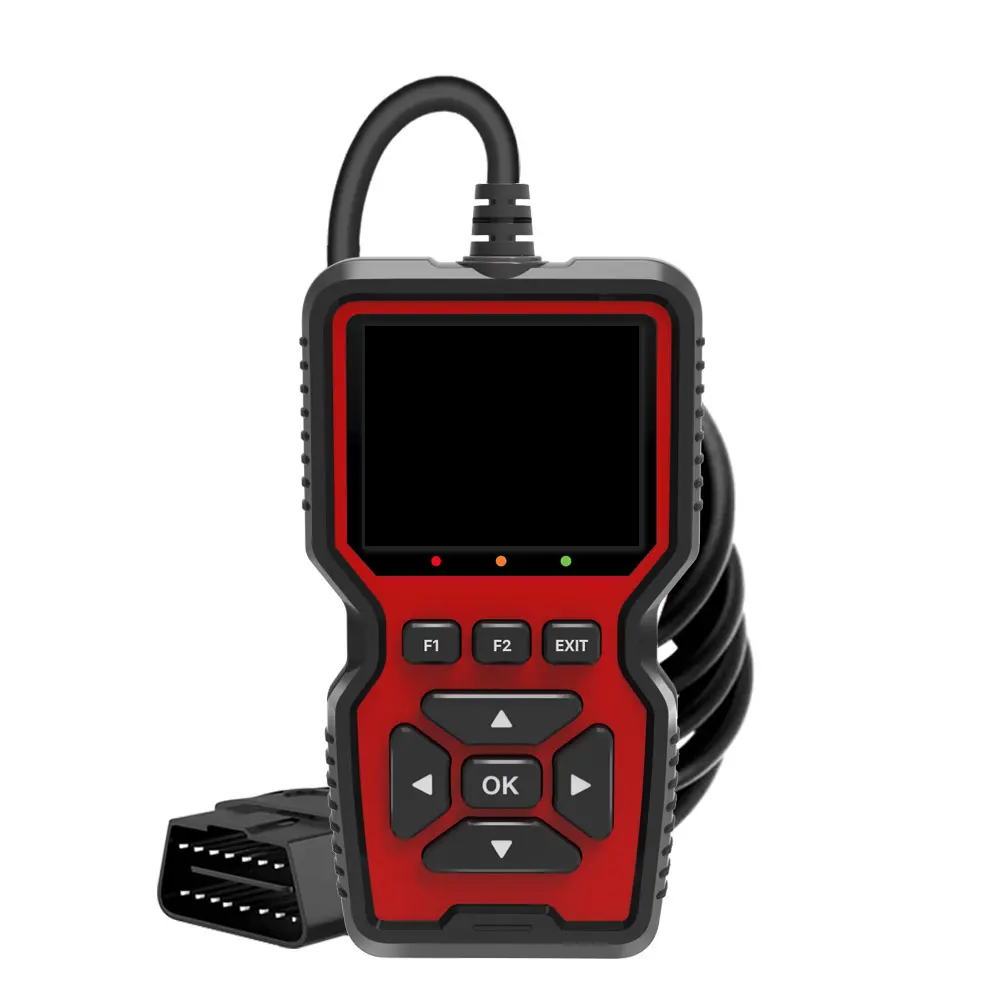
- Connect a diagnostic scan tool and access live data parameters relevant to the cruise control system and throttle position.
- Monitor the Throttle Position Sensor (TPS) voltage/percentage, and if available, any Cruise Control Actuator Position Sensor (often internal to the actuator).
- With the vehicle safely secured or driven, attempt to engage cruise control. Observe if the TPS values respond as expected when the cruise control system attempts to adjust speed. A discrepancy between commanded throttle input (from cruise control) and actual TPS output strongly suggests a mechanical linkage issue.
- Actuator Bi-Directional Control Test (if available):
- Utilize a professional-grade scan tool with bi-directional control capabilities to directly command the speed control actuator to extend and retract.
- While performing this test, visually inspect the cable for movement and tension, and observe the throttle body lever’s response. This test helps differentiate between an actuator that isn’t receiving proper commands (electrical issue, less likely for C1179) and one that is moving but not effectively manipulating the cable.
- Digital Multimeter (DMM) Inspection (Limited Relevance):
- While C1179 is primarily mechanical, a DMM can be used to rule out related electrical issues if the preliminary inspection is inconclusive. Check for proper voltage supply to the speed control actuator connector and continuity of ground circuits. If the actuator has an accessible internal feedback sensor (e.g., a potentiometer), its resistance or voltage sweep can be tested if manufacturer specifications are available, though this is less common for a “slack” code.
Recommended Repairs and Solutions
The resolution for C1179 almost always involves addressing the mechanical integrity and adjustment of the speed control cable system.
- Replace the Speed Control Cable: This is the most common repair. If the cable is found to be stretched, frayed, kinked, or its housing is damaged, replacement is necessary. Ensure the new cable is correctly routed to prevent binding and that its end fittings are securely attached to both the actuator and the throttle body.
- Reconnect the Cable: If the cable has merely come detached from either its actuator or throttle body connection point, re-attaching it securely may resolve the issue. Always inspect and replace any damaged retaining clips, bushings, or grommets to prevent future detachment.
- Clean and Lubricate the Throttle Body: If diagnostic steps indicate that the throttle body mechanism is binding, remove the air intake assembly and thoroughly clean the throttle plate and bore with a dedicated throttle body cleaner. Ensure the throttle plate moves freely through its entire range and returns smoothly against its idle stop. A small amount of white lithium grease on the throttle shaft bearings (if accessible and recommended by the manufacturer) can aid in smooth operation.
- Adjust Cable Tension: Many speed control cables have an adjustment point, typically near the actuator or throttle body. Refer to the vehicle’s factory service manual for the precise procedure and specification for cable free play (e.g., 1-3mm of slack at the throttle lever). Incorrect adjustment can either cause high idle (too tight) or set C1179 (too much slack).
- Replace the Speed Control Actuator Assembly: If all cable components are confirmed to be in good condition, correctly connected, and properly adjusted, and the bi-directional test reveals the actuator itself is not effectively pulling the cable despite receiving power and commands, then the entire speed control actuator assembly will require replacement. This indicates an internal mechanical failure within the actuator.