What Does Code C1773 Mean?
DTC C1773 signifies an electrical fault within the output circuit for the Air Suspension Vent Solenoid, specifically detecting a condition where the circuit is shorted to ground. In an air suspension system, the vent solenoid is a critical electro-mechanical component responsible for releasing pressurized air from the air springs (or a central reservoir, depending on system design) to lower the vehicle’s ride height or to exhaust excess pressure. The Air Suspension Control Module (ASCM) or a similarly integrated body control module monitors the voltage and current on the vent solenoid’s control circuit. When the ASCM detects an abnormally low voltage on this circuit, particularly when the solenoid is commanded OFF (expecting battery voltage or a high impedance state) or an excessive current draw when commanded ON, it interprets this as an unintended path to chassis ground. This short circuit can lead to the solenoid remaining open, stuck closed, or operating erratically, directly impacting the vehicle’s ability to maintain correct ride height, adjust suspension damping, or perform other air suspension functions. The code indicates a failure of the electrical integrity of the vent solenoid’s control circuit, preventing proper operation of the air suspension system.
Common Symptoms
- Illuminated Warning Lights: The “Check Suspension,” “Service Ride Control,” or a general “Check Engine” light (if the air suspension system is integrated with the PCM/ECM) will likely illuminate.
- Incorrect Ride Height: The vehicle may sag on one or all corners, be unable to raise to its commanded height, or remain stuck at an abnormal height.
- Excessive Air Compressor Operation: The air suspension compressor may run constantly or excessively trying to compensate for perceived air leaks or inability to vent pressure correctly.
- Noticeable Air Leaks: A constant hissing sound may be heard if the vent solenoid is stuck in an open position due to the electrical short, allowing air to escape continuously.
- Harsh or Bouncy Ride: The inability to properly adjust air spring pressure can lead to a compromised ride quality.
- Reduced Vehicle Stability: An improperly maintained ride height can negatively affect vehicle handling and stability, especially during cornering or braking.
What Causes the Code C1773?
- Damaged Wiring Harness: The most prevalent cause involves compromised wiring leading to the air suspension vent solenoid. This can include chafed insulation, cut wires, or wires that have melted and contacted the vehicle’s chassis or another ground point, creating an unintended low-resistance path.
- Faulty Air Suspension Vent Solenoid: An internal electrical short circuit within the solenoid coil itself can cause the output circuit to pull to ground. This often occurs due to internal insulation breakdown, moisture ingress, or mechanical damage.
- Corroded Connector Pins: Moisture, road salt, and debris can ingress into the electrical connector for the vent solenoid, leading to corrosion on the pins. This corrosion can create a conductive bridge between the signal wire and ground, or significantly reduce resistance causing a short.
- Internal Air Suspension Control Module (ASCM) Failure: While less common, an internal fault within the ASCM (or BCM/PCM if integrated) that controls the vent solenoid could cause the output driver circuit to short to ground. This would typically manifest as a continuous ground signal on the solenoid output wire even when not commanded.
How to Diagnose and Troubleshoot
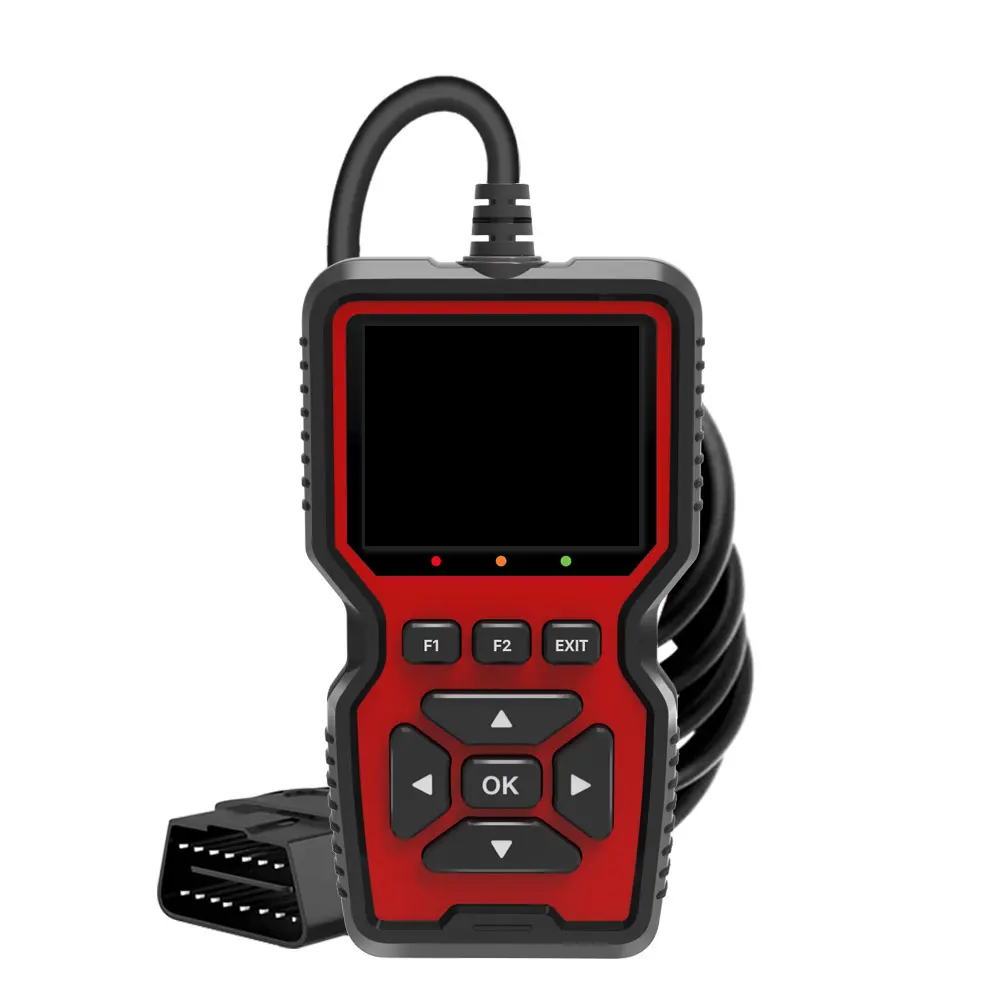
Diagnosing C1773 requires a methodical approach, utilizing a digital multimeter (DMM) and an advanced scan tool capable of accessing the Air Suspension Control Module (ASCM).
- Visual Inspection: Begin by thoroughly inspecting the entire wiring harness associated with the air suspension vent solenoid. Pay close attention to areas where the harness passes through firewalls, over sharp edges, or near exhaust components, as these are common points for chafing or melting. Check the solenoid’s electrical connector for bent, pushed-out, or corroded pins, and for any signs of moisture intrusion.
- Scan Tool Data Analysis: Connect an OBD-II scanner capable of communicating with the ASCM. Access live data and monitor the commanded state and actual voltage/current readings for the vent solenoid circuit. Attempt to command the solenoid ON and OFF using the bidirectional controls if available. Note if the voltage changes as expected or remains consistently low when commanded OFF.
- Vent Solenoid Circuit Test (Component Disconnected):
- Disconnect the Solenoid: With the ignition OFF, disconnect the electrical connector from the air suspension vent solenoid. This isolates the solenoid from the wiring harness and control module.
- Test Solenoid Resistance: Using a DMM set to ohms, measure the resistance across the two terminals of the vent solenoid itself (pins within the solenoid component). Refer to vehicle-specific service information for the expected resistance range (typically a low ohmic value, e.g., 5-20 ohms). An extremely low resistance (near 0 ohms) indicates an internal short within the solenoid. An open circuit (OL) indicates a broken coil.
- Test Wiring Harness for Short to Ground: With the vent solenoid still disconnected, and ideally the ASCM disconnected as well (to prevent false readings through the module), use the DMM set to ohms. Place one lead on the vent solenoid control wire at the harness connector and the other lead to a known good chassis ground. A reading of less than 1 ohm (or very low resistance) indicates a direct short to ground in the wiring harness.
- Test Wiring Harness for Short to Power: Still with the solenoid and ASCM disconnected, set the DMM to measure voltage. Probe the solenoid control wire at the harness connector and chassis ground. With the ignition ON, ensure there is no significant voltage present, which would indicate a short to battery voltage.
- Wiggle Test: If intermittent issues are suspected, perform a wiggle test. With the DMM connected to monitor resistance for a short to ground (as in step 3), gently manipulate the wiring harness along its entire length while observing the DMM reading. A fluctuating reading could indicate an intermittent short.
- ASCM Output Verification: If all wiring and the solenoid test good, the fault may lie within the ASCM. This test is more complex and typically involves back-probing the ASCM connector (with the solenoid connected) to verify if the module is correctly attempting to control the solenoid and if its internal driver circuit is functioning as expected. This usually requires detailed wiring diagrams and knowledge of expected voltage/ground outputs.
Recommended Repairs and Solutions
Based on the diagnostic findings, the following repairs are typically recommended:
- Repair or Replace Damaged Wiring: If the diagnostic steps identify a short to ground within the wiring harness, the damaged section must be repaired or the entire sub-harness replaced. Utilize professional wiring repair techniques, including soldering, heat-shrink tubing, and weather-pack connectors to ensure a durable and waterproof repair. Avoid quick fixes like electrical tape, as they are prone to failure and future issues. Ensure the repaired wiring is properly routed and secured to prevent future chafing.
- Replace Faulty Air Suspension Vent Solenoid: If the vent solenoid tests internally shorted (very low resistance), it requires replacement. Ensure the replacement part is an OEM or equivalent quality component specifically designed for the vehicle’s air suspension system. Always verify proper installation and connection of the electrical harness and air lines.
- Clean or Replace Corroded Connectors: If corrosion is found at the solenoid connector, attempt to clean the pins thoroughly using an appropriate electrical contact cleaner and a small brush. If the corrosion is extensive or has compromised the connector’s integrity, replace the connector shell and/or individual pins. Apply a small amount of dielectric grease to the pins upon reassembly to prevent future corrosion.
- Replace Air Suspension Control Module (ASCM): This is a less common repair for a short to ground code and should only be considered after all other components (wiring, solenoid, connectors) have been meticulously tested and ruled out as the source of the short. An internal ASCM fault is a definite possibility if the module is consistently sending a ground signal on the vent solenoid output wire when it should not be. Always verify part compatibility and be aware that module replacement often requires programming or calibration specific to the vehicle.
- Clear DTCs and Retest: After any repair, clear the C1773 DTC using a scan tool. Perform a functional test of the air suspension system, observing its ability to raise, lower, and maintain ride height. Monitor live data for the vent solenoid to ensure it operates correctly and that the code does not return.