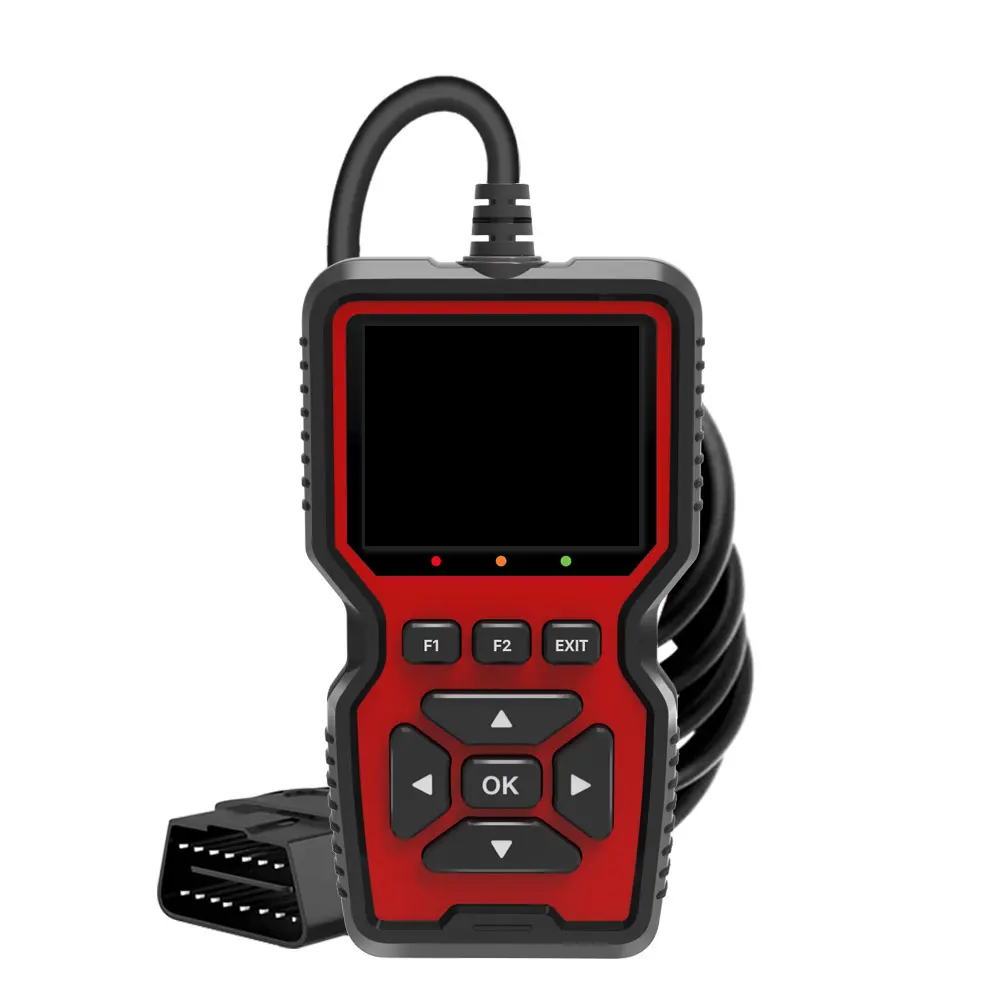
What Does Code C1848 Mean?
DTC C1848 indicates an electrical fault within the output circuit controlling the front air suspension inflator solenoid. Specifically, the Air Suspension Control Module (ASCM), or an equivalent suspension control unit, has detected a short to ground condition in this critical circuit. This means that the electrical current intended for the solenoid is finding an unintended, low-resistance path directly to the vehicle’s ground, rather than flowing through the solenoid’s coil as designed. The ASCM monitors the voltage and current characteristics of the solenoid’s control circuit. When the module attempts to energize the front air spring inflator solenoid, it expects to see a specific electrical load or voltage drop. A short to ground causes the circuit voltage to collapse to near zero, or results in an excessively high current draw that exceeds programmed thresholds or internal circuit breaker limits. This anomaly signals a malfunction, leading the ASCM to log code C1848. This fault directly impacts the vehicle’s active air suspension system, specifically preventing the proper inflation or deflation of the front air springs, thereby compromising vehicle ride height, stability, and handling.
Common Symptoms
- Incorrect Front Ride Height: The most prevalent symptom is a noticeable sag or improper ride height on one or both front corners of the vehicle.
- Air Suspension Warning Light: An illuminated air suspension warning indicator or malfunction indicator lamp (MIL) on the instrument cluster.
- Harsh or Uncomfortable Ride: The inability of the air springs to adjust pressure effectively can lead to a noticeably stiffer or jarring ride quality.
- Vehicle Unevenness: One side of the front axle may sit lower than the other, causing an imbalanced stance.
- Excessive Compressor Operation: The air suspension compressor may run continuously or excessively attempting to compensate for the unadjustable front air springs, potentially leading to premature wear.
- Compressor Inactivity: Conversely, the ASCM might disable the compressor and the entire air suspension system if it detects a severe fault, preventing any operation.
What Causes the Code C1848?
- Damaged Wiring Harness: A common cause is a compromised insulation in the wiring leading to the front inflator solenoid, allowing the conductor to make direct contact with the vehicle chassis or another ground point. This can result from chafing against sharp edges, pinching, impact damage, or corrosion within the wire.
- Faulty Air Suspension Inflator Solenoid: An internal electrical short within the solenoid itself. This can be due to insulation breakdown of the coil windings, moisture intrusion, or physical damage causing an internal conductive path to the solenoid body, which is typically grounded.
- Corroded Electrical Connectors: Corrosion, debris, or water intrusion into the electrical connector for the front inflator solenoid can create a conductive bridge between the power/signal wire and the ground terminal, or directly to the vehicle’s chassis, causing a short.
- Internal Air Suspension Control Module (ASCM) Fault: While less common, a defective output driver circuit within the ASCM could develop an internal short to ground, erroneously causing the code or creating an actual short on its output channel.
How to Diagnose and Troubleshoot
Diagnosis of C1848 requires a methodical approach, utilizing a digital multimeter (DMM) and a capable diagnostic scanner.
- Visual Inspection:
- Begin with a comprehensive visual inspection of the entire front air suspension system, paying close attention to the wiring harness leading to the front air spring inflator solenoids.
- Look for any signs of physical damage, such as chafing, cuts, pinching, or burns on the wiring insulation. Pay particular attention to areas where the harness passes through body panels or near moving suspension components.
- Inspect the electrical connectors at both the inflator solenoid and the Air Suspension Control Module (ASCM) for bent or corroded pins, looseness, or evidence of water intrusion.
- OBD-II Scanner Diagnostics:
- Connect an advanced diagnostic scanner capable of communicating with the ASCM.
- Retrieve all active and pending Diagnostic Trouble Codes (DTCs) from the ASCM. Note any other related codes that might point to a broader issue.
- Access live data parameters related to the air suspension system, such as air spring pressures, commanded solenoid states, and module input voltages.
- If available, use the scanner’s bi-directional control function to command the front inflator solenoid ON and OFF. Listen for an audible click from the solenoid and observe any changes in live data or system behavior.
- Digital Multimeter (DMM) Electrical Tests:
- Safety Precaution: Disconnect the vehicle’s battery before performing extensive electrical continuity or resistance tests to prevent accidental shorts or damage to control modules.
- Isolate the Solenoid: Disconnect the electrical connector from the suspect front air suspension inflator solenoid.
- Wiring Harness Short to Ground Test: Using the DMM set to resistance (Ohms), measure the resistance between each pin of the solenoid’s wiring harness connector (the vehicle side, not the solenoid itself) and a known good chassis ground. With the ASCM disconnected (if possible), a reading of near 0 Ohms on any pin indicates a short to ground in that specific wire. If the ASCM cannot be easily disconnected, perform a voltage test: with the ignition ON, measure voltage at each pin to ground. An unexpected low voltage on the power feed or any voltage on a dedicated ground/return wire could indicate a short.
- Solenoid Internal Short Test: With the solenoid disconnected from the harness, measure the resistance between each of the solenoid’s pins and the solenoid’s metallic housing (if applicable, ensuring good contact). A reading near 0 Ohms indicates an internal short to ground within the solenoid coil. Additionally, measure the resistance across the solenoid’s two electrical terminals; compare this value to manufacturer specifications (typically a few Ohms). An extremely low or infinite resistance indicates an internal fault (shorted or open, respectively).
- Power and Ground Circuit Integrity: After confirming no short in the harness or solenoid, reconnect the ASCM. With the key ON (engine OFF), verify proper voltage supply at the solenoid connector when the solenoid is commanded ON by the scanner (if it is a power-side switched circuit). Confirm continuity to ground on the ground side of the circuit (if it is a ground-side switched solenoid or a dedicated ground wire).
- Component Isolation: If testing points to wiring damage, carefully trace the harness to locate the exact point of the short. If the solenoid itself tests as shorted, it is confirmed faulty.
Recommended Repairs and Solutions
Addressing C1848 typically involves rectifying the electrical fault in the solenoid circuit.
- Repair Damaged Wiring: If the diagnosis confirms a short to ground in the wiring harness, the damaged section of wire must be professionally repaired or replaced. Use high-quality, automotive-grade wire of the correct gauge, and ensure robust connections using soldering and heat-shrink tubing. Reroute the repaired harness to prevent future chafing or damage, securing it with proper clips and ties.
- Replace Faulty Air Suspension Inflator Solenoid: If the air suspension inflator solenoid itself exhibits an internal short, it must be replaced. Depending on the vehicle design, this may involve replacing the entire air spring assembly, a specific valve block component, or a separate solenoid unit. Always use an OEM-equivalent or genuine manufacturer part for optimal performance and longevity.
- Clean or Repair Corroded Connectors: If corrosion, debris, or moisture ingress is found in the electrical connector, thoroughly clean the connector pins and housing using an electrical contact cleaner and a small brush. If pins are severely damaged or corroded beyond repair, the connector body or individual terminal pins must be replaced. Apply dielectric grease to the connector after cleaning to prevent future corrosion and moisture intrusion.
- Air Suspension Control Module (ASCM) Replacement: This should be considered a last resort, only after meticulously verifying that the wiring, connectors, and solenoid are unequivocally functioning correctly and the fault is definitively traced to an internal module failure. ASCM replacement often requires specialized programming and calibration procedures using dealer-level diagnostic tools to ensure proper system function and compatibility.
Mechanics’ Tips:
Always consult the vehicle-specific service manual for accurate wiring diagrams, component locations, resistance specifications for solenoids, and specific diagnostic procedures. Be extremely cautious when working with air suspension systems, as they operate under high pressure; ensure the system is depressurized following manufacturer guidelines before component removal. After any repair, clear the diagnostic trouble codes using an OBD-II scanner. Perform any necessary ride height calibration or allow the system to self-level according to manufacturer specifications. Finally, conduct a thorough test drive to confirm proper operation of the air suspension system and ensure the C1848 code does not return.