What Does Code P1447 Mean?
DTC P1447 signifies an Evaporative Loss Control (ELC) System Closure Valve Flow Fault. This code is triggered when the Engine Control Module (ECM), also known as the Powertrain Control Module (PCM), detects an anomaly in the expected vapor flow through or past the EVAP system’s closure valve during specific self-diagnostic tests. The ELC Closure Valve is typically the EVAP Canister Vent Shut Valve (CVSV) or a similar valve designed to seal the EVAP system from atmospheric pressure, or to regulate the flow of ambient air into the canister during purge operations. The ECM monitors the EVAP system’s pressure or vacuum using a dedicated pressure sensor. When the ECM commands the closure valve to open or close during an EVAP system integrity test, it expects a corresponding change in pressure or a specific flow rate that indicates the valve is functioning correctly and the pathway is clear. If the observed pressure change or flow characteristic does not align with the ECM’s calibrated parameters—suggesting either the valve is not moving as commanded, it’s obstructed, or there’s a restriction in the associated lines—DTC P1447 is set, and the Malfunction Indicator Lamp (MIL) is illuminated. This subsystem is critical for preventing fuel vapor emissions into the atmosphere.
Common Symptoms
- Illuminated Check Engine Light (MIL): This is almost always the primary and often sole symptom.
- Potential for slight reduction in fuel economy: While not always noticeable, an improperly functioning EVAP system can subtly affect fuel efficiency over time.
- Difficulty refueling (less common for this specific code): If the closure valve or associated lines are significantly obstructed, it could impede the proper venting of the fuel tank during refueling, causing the fuel nozzle to repeatedly click off.
- Fuel odor (rare): In cases where the valve is stuck open or leaking, a faint fuel odor might be detectable, though P1447 typically indicates a flow issue rather than a gross leak to atmosphere.
What Causes the Code P1447?
- Faulty EVAP Canister Vent Shut Valve (CVSV) / ELC Closure Valve: The most common cause, where the valve solenoid fails electrically, or the mechanical valve mechanism becomes stuck open, closed, or partially obstructed by debris or corrosion.
- Wiring harness or connector issues: Open circuits, short circuits, or poor electrical connections to the EVAP closure valve can prevent it from operating correctly.
- Blocked or restricted EVAP lines: Debris, spider webs, or kinks in the vacuum or vent lines connected to the closure valve can impede vapor flow, even if the valve itself is operational.
- Clogged EVAP charcoal canister: If the canister itself is saturated or clogged, it can restrict airflow through the vent valve, leading to a flow fault.
- ECM/PCM malfunction: Although rare, an internal ECM fault preventing proper command of the valve or misinterpreting sensor data can set this code.
How to Diagnose and Troubleshoot
Diagnosis of P1447 requires a systematic approach using specialized tools:
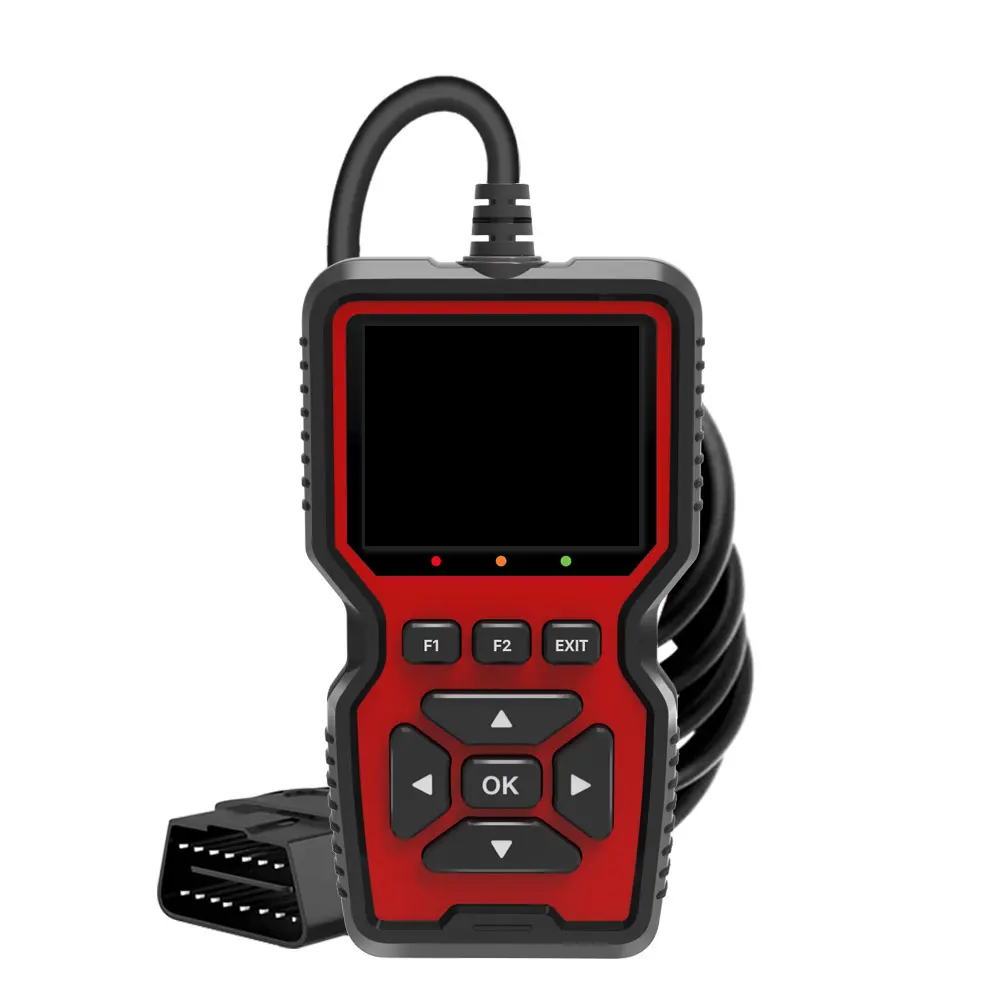
- Retrieve and Analyze DTCs and Freeze Frame Data: Use an OBD-II scan tool to confirm P1447 and check for any co-existing DTCs. Analyze freeze frame data to understand the engine operating conditions (engine RPM, load, coolant temperature, fuel trim values) at the moment the code was set. This can provide context for the diagnostic test failure.
- Visual Inspection of EVAP System Components: Carefully inspect the EVAP closure valve (CVSV), its wiring harness, connectors, and all associated vacuum and vent lines from the fuel tank to the engine bay. Look for signs of physical damage, corrosion, cracks, kinks, disconnected hoses, or rodent damage. Pay close attention to the filter screen on the vent valve for obstructions.
- Electrical Test of the EVAP Closure Valve:
- Power Supply Check: With the ignition ON and the closure valve disconnected, use a digital multimeter (DMM) to check for battery voltage (B+) at the appropriate terminal of the connector, usually supplied through a fuse.
- Control Circuit Integrity: With the ignition OFF and the ECM/PCM connector disconnected, check for continuity between the control circuit terminal at the closure valve connector and the corresponding pin at the ECM/PCM connector. Also, check for shorts to ground and B+ on this circuit.
- Solenoid Resistance Test: Disconnect the closure valve and measure the internal resistance of the solenoid using a DMM. Compare the reading to manufacturer specifications (typically 15-30 ohms). An open circuit (infinite resistance) or a short circuit (near zero resistance) indicates an internal valve fault.
- Functional Test of the EVAP Closure Valve (Bidirectional Control):
- Using a professional scan tool with bidirectional control capabilities, command the EVAP closure valve ON and OFF. Listen for an audible click from the valve as it cycles. A lack of clicking indicates a likely electrical or mechanical fault within the valve.
- While commanding the valve, monitor the EVAP pressure sensor PID (Parameter ID) if available. When the valve is commanded to seal the system, observe if the pressure/vacuum changes as expected. If the valve is commanded open, there should be a path to atmosphere, and the system pressure should normalize.
- EVAP System Smoke Test (if necessary): If electrical tests and functional tests of the valve are inconclusive, or if blockages are suspected, perform a smoke test on the EVAP system. This involves introducing non-toxic smoke into the EVAP system and observing for smoke escaping (indicating a leak) or, more relevant to P1447, ensuring proper flow through the vent valve when commanded open. A blockage might prevent smoke from exiting the vent, even if the valve appears to cycle.
- Component Specific Check (e.g., Canister): If a blockage is suspected within the canister, it might need to be disconnected and inspected for signs of saturation or internal breakage.
Recommended Repairs and Solutions
Once the root cause of P1447 has been accurately identified through systematic diagnosis, the appropriate repair can be performed:
- Replace the EVAP Canister Vent Shut Valve (CVSV) / ELC Closure Valve: If electrical tests confirm the valve solenoid is faulty (open/short circuit, incorrect resistance) or if the valve fails to operate during bidirectional command, replacement is necessary. Ensure the replacement valve is an OEM-quality part for proper function and longevity.
- Repair or Replace Wiring/Connectors: Address any identified open circuits, shorts, or corroded connections in the EVAP closure valve’s wiring harness. Use appropriate wiring repair techniques, including soldering and heat-shrink tubing, or replace the entire sub-harness if damage is extensive.
- Clear Blockages in EVAP Lines: If restricted lines are found, clear them using compressed air (cautiously, to avoid damaging other components) or replace the affected sections of hose. Always inspect the vent valve’s filter screen for debris and clean or replace it as needed.
- Replace the EVAP Charcoal Canister: If the canister is found to be saturated with fuel or physically clogged, it will need to be replaced. This often occurs if the fuel tank has been overfilled repeatedly.
- ECM/PCM Replacement (Rare): Only consider ECM/PCM replacement after exhaustively testing all other components and wiring and confirming that the ECM is not correctly commanding the valve or misinterpreting data despite receiving correct inputs. This typically requires advanced diagnostic equipment and programming.
After any repair, clear the DTCs using a scan tool and perform multiple drive cycles under varying conditions to allow the ECM to run its full complement of EVAP system monitors. This will confirm the repair is successful and prevent the code from returning. Always verify the vehicle passes its internal self-tests before considering the repair complete.