What Does Code P1728 Mean?
DTC P1728, often described as a “Transmission Slip Error,” signifies that the Powertrain Control Module (PCM) or Transmission Control Module (TCM) has detected an abnormal or excessive slip condition within the automatic transmission. This is typically a manufacturer-specific code, commonly associated with Ford, Mazda, and Mercury vehicles, although its definition of “transmission slip” is universally applicable to automatic transmissions. The PCM/TCM continuously monitors various rotational speed sensors, including the Input Shaft Speed (ISS) sensor, Output Shaft Speed (OSS) sensor, and sometimes a Turbine Speed Sensor (TSS). By comparing these sensor inputs, the module calculates the actual gear ratio of the transmission. If the calculated gear ratio deviates significantly from the expected gear ratio for the currently commanded gear, or if there is an unacceptable difference in rotational speeds that cannot be attributed to normal torque converter clutch (TCC) slip, the module determines that the transmission is slipping. This condition implies a failure of the internal clutch packs or bands to engage or hold effectively, resulting in a loss of power transfer and inefficient operation. The PCM/TCM will typically set code P1728 after this excessive slip is detected and sustained for a predetermined period, often illuminating the Malfunction Indicator Lamp (MIL).
Common Symptoms
- Delayed or Harsh Gear Engagement: The transmission may take longer than usual to engage a gear, or shifts may feel abrupt and unrefined.
- Engine RPM Flares: The engine RPM may increase significantly without a corresponding increase in vehicle speed, indicating the transmission is slipping rather than transferring power efficiently.
- Loss of Power or Acceleration: The vehicle may struggle to accelerate, especially under load or uphill, feeling sluggish due to the inefficient power transfer.
- Burnt Odor from Transmission Fluid: Excessive slipping generates heat, which can cause the transmission fluid to overheat and emit a distinct burnt smell.
- Reduced Fuel Economy: Inefficient power transfer and increased engine RPM lead to higher fuel consumption.
- Transmission Entering Limp Mode: The PCM/TCM may engage a fail-safe mode, limiting available gears (e.g., locking into 3rd gear) to prevent further damage.
- Check Engine Light (MIL) Illuminated: The primary indication that a diagnostic trouble code has been set.
What Causes the Code P1728?
- Low Transmission Fluid Level: Insufficient fluid prevents proper hydraulic pressure from being applied to the clutch packs and bands, leading to slip.
- Degraded or Contaminated Transmission Fluid: Old, dirty, or incorrect fluid loses its friction modifiers and lubricating properties, accelerating wear and causing slip. Burnt fluid can also indicate severe internal damage.
- Worn or Damaged Clutch Packs/Bands: Physical wear and tear on the friction material prevents the clutches or bands from holding effectively, allowing slip.
- Faulty Transmission Solenoids: Malfunctioning shift solenoids, line pressure control solenoids, or torque converter clutch (TCC) solenoids can cause incorrect hydraulic pressure control, leading to improper clutch engagement.
- Malfunctioning Valve Body: Stuck, worn, or warped valves within the valve body can lead to improper fluid routing, pressure loss, or incorrect application of hydraulic pressure to clutch packs.
- Internal Transmission Mechanical Failure: Damage to hard parts such as planetary gear sets, input/output shafts, or a failing transmission pump can result in significant internal slippage.
- Incorrect Input/Output Speed Sensor Readings: While less common for a direct slip code, inaccurate data from these sensors could theoretically lead the PCM/TCM to misinterpret a normal condition as a slip, or mask an actual slip.
- Internal Transmission Wiring Issues: Damaged or corroded wiring within the transmission (e.g., to solenoids or sensors) can disrupt signals and lead to incorrect operation.
How to Diagnose and Troubleshoot
Diagnosis of P1728 requires a systematic approach, combining visual inspection, fluid analysis, and advanced scanner functions:
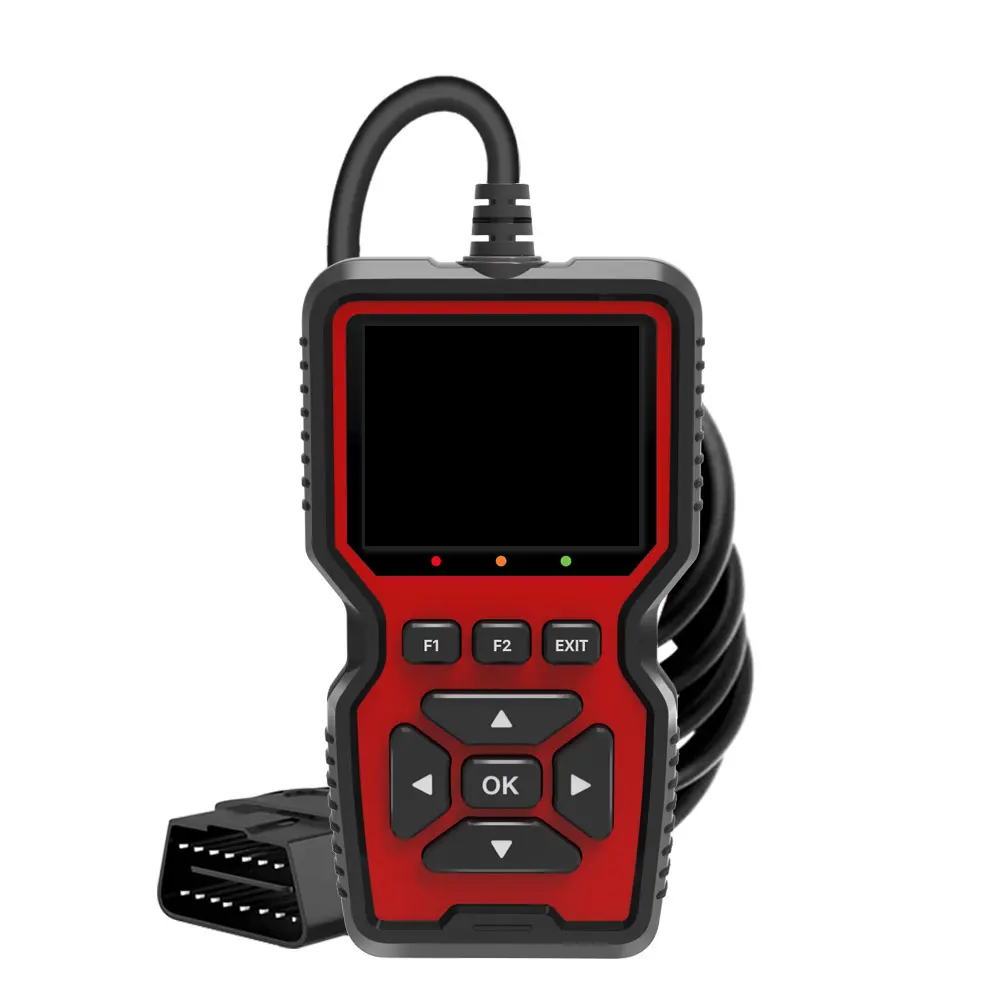
- Retrieve and Analyze DTC Data: Connect an OBD-II scan tool and retrieve P1728 and any other accompanying codes. Crucially, review the freeze frame data associated with P1728, which provides a snapshot of engine and transmission conditions (engine speed, vehicle speed, gear commanded, engine load, etc.) at the moment the code was set. This data can offer vital clues regarding when and under what conditions the slip occurred.
- Transmission Fluid Inspection: With the vehicle on a level surface and the engine at operating temperature (consult specific manufacturer procedures for checking fluid level in Park or Neutral), carefully check the transmission fluid level. Ensure it is within the specified range. Inspect the fluid’s condition: note its color (should be clear red/pink, not dark brown or black) and smell (a burnt odor indicates severe overheating and internal wear). Check for metallic particles or excessive debris on the dipstick.
- External Visual Inspection: Thoroughly inspect the transmission casing, cooler lines, and pan gasket for any signs of fluid leaks. A significant leak can lead to low fluid levels and subsequent slipping. Check the electrical connectors to the transmission for corrosion or damage.
- Live Data Monitoring during Test Drive: Using the scan tool’s live data function, monitor critical transmission parameters during a test drive that mimics the conditions found in the freeze frame data. Focus on:
- Input Shaft Speed (ISS) and Output Shaft Speed (OSS) Sensors: Observe these readings for rationality. In a given gear, the ratio of ISS to OSS should be consistent and match the theoretical gear ratio for that gear. Significant deviation or erratic readings can confirm slip.
- Turbine Speed Sensor (TSS): If available, monitor TSS alongside ISS and OSS.
- Desired Gear vs. Actual Gear: Confirm the PCM/TCM is commanding the correct gear and if the transmission is actually achieving it.
- Transmission Fluid Temperature: Elevated temperatures can exacerbate slip issues.
- Torque Converter Clutch (TCC) Slip: Monitor TCC slip PIDs. While P1728 is often for mechanical gear slip, excessive TCC slip can sometimes trigger or contribute to similar symptoms.
Perform several gentle accelerations and decelerations through all gears. Pay close attention to any instances where engine RPM increases without a corresponding increase in OSS, indicating slip.
- Line Pressure Testing (if applicable): For transmissions with external pressure test ports, connect a hydraulic pressure gauge and compare actual line pressures at idle, various gears, and under load against manufacturer specifications. Low or fluctuating line pressure can indicate a failing pump, internal leaks, or a faulty pressure control solenoid/valve body.
- Solenoid and Wiring Integrity Checks: If the symptoms or live data point towards specific gear engagement issues, use the scan tool’s bi-directional controls to actuate individual shift solenoids or the line pressure solenoid (if supported) and monitor their effect on transmission behavior and pressure. If accessible (often requiring transmission pan removal), check the resistance of the internal solenoids with a Digital Multimeter (DMM) against specifications. Inspect the internal wiring harness for continuity and any signs of damage.
- Transmission Pan Inspection: If initial diagnostics are inconclusive but fluid condition is suspect, drop the transmission pan. Inspect the fluid for excessive debris – large metal shavings indicate hard part failure, while excessive clutch material (dark, gritty sludge) points to worn-out friction components. Check the magnet in the pan for accumulated material.
Recommended Repairs and Solutions
The repair for P1728 is highly dependent on the root cause identified during diagnosis:
- Transmission Fluid and Filter Service: If the fluid level is low, or the fluid is simply degraded but otherwise free of severe debris, performing a complete transmission fluid and filter change using the manufacturer-specified fluid type is often the first step. This can resolve slip caused by poor fluid properties or insufficient hydraulic pressure due to a clogged filter. Always perform a relearn or adaptation procedure afterward, if recommended by the manufacturer.
- Solenoid Replacement: If diagnostic testing identifies a faulty shift solenoid, line pressure control solenoid, or TCC solenoid, replace the defective component. This often requires dropping the transmission pan and potentially the valve body. Use OEM or high-quality aftermarket solenoids.
- Valve Body Repair or Replacement: If diagnosis points to issues within the valve body (e.g., stuck valves, worn bores), it may be possible to repair it using specialized kits, but replacement with a new or remanufactured valve body is a more common and reliable solution.
- Transmission Overhaul or Replacement: In cases of severely worn clutch packs, bands, planetary gear sets, or internal pump failure (evidenced by significant debris in the pan, burnt fluid, or confirmed by pressure testing), a full transmission overhaul (rebuild) or replacement with a new or remanufactured transmission is typically necessary. This is a labor-intensive and costly repair.
- Speed Sensor Replacement: If an ISS or OSS is confirmed to be providing inaccurate data, replace the faulty sensor.
Important Mechanics’ Tips:
- Fluid Specification is Critical: Always use the exact transmission fluid type specified by the vehicle manufacturer. Using an incorrect fluid can lead to immediate or long-term transmission damage.
- Clear Adaptations: After any internal transmission repair or fluid service, it is highly recommended to perform a “Clear Transmission Adaptive Values” procedure using an advanced scan tool. This resets the PCM/TCM’s learned shift parameters, allowing it to relearn optimal shift points and pressures with the new components.
- Thorough Pan Inspection: When dropping the transmission pan, pay meticulous attention to the amount and type of debris. A small amount of fine friction material on the magnet is normal wear, but large chunks of metal or excessive friction material indicates a significant internal failure requiring major repair.
- Consider Maintenance History: Lack of regular transmission fluid and filter changes is a leading cause of premature transmission wear and slip codes. Advise customers on proper maintenance intervals.